
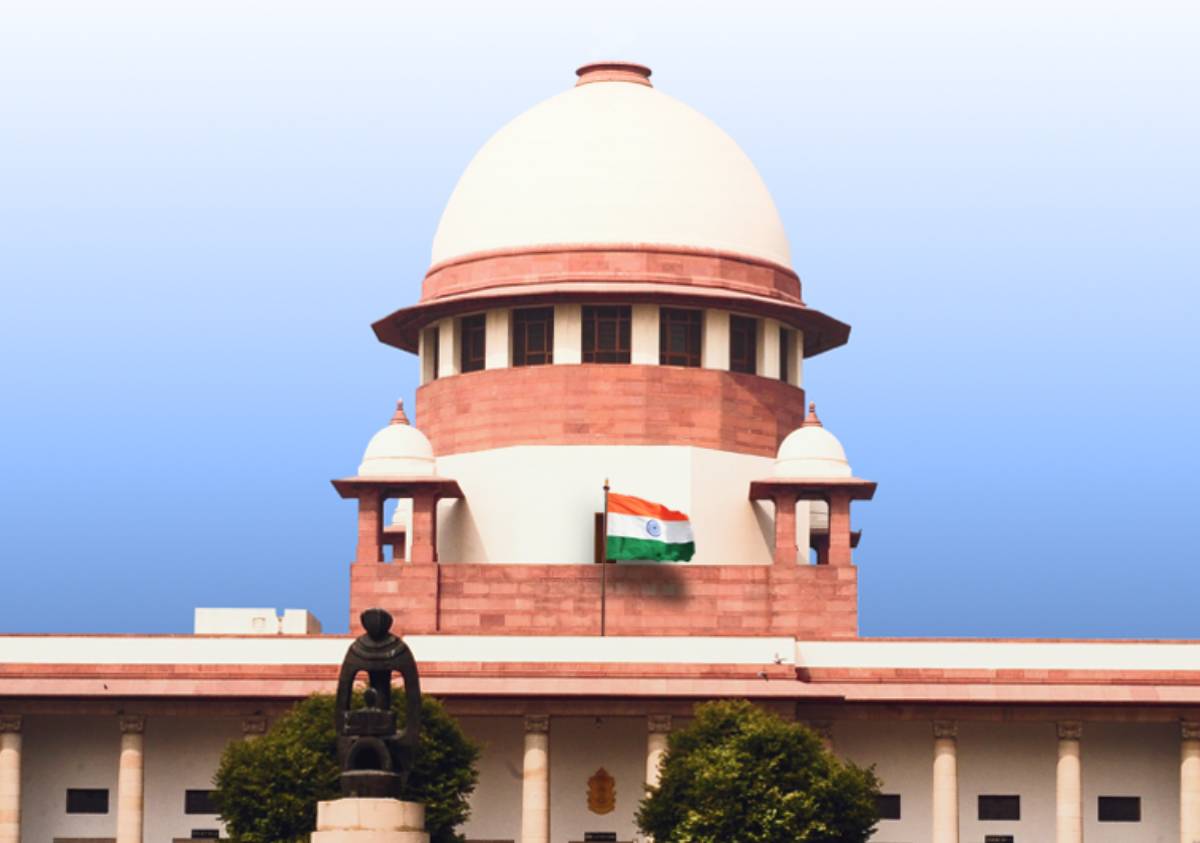

India’s top court has delivered a landmark ruling on end-of-life medical care, allowing withdrawal of life support for a man who has been in a vegetative state for more than a decade. The historic decision marks a major development in India’s medical jurisprudence related to Passive Euthanasia Supreme Court.
A bench comprising Justices JB Pardiwala and KV Viswanathan allowed the parents of 31-year-old Harish Rana to withdraw clinically assisted nutrition and hydration (CANH), which had kept him alive since 2013 after a tragic fall from the fourth floor of his paying guest accommodation in Ghaziabad.
Supreme Court Allows Withdrawal Of Life Support
In their concurring opinions, the judges said continuing medical intervention when recovery is medically impossible does not necessarily serve the patient’s dignity. The bench clarified that the key legal question is not whether a patient should die, but whether life should continue to be artificially prolonged.
The ruling directed that withdrawal of CANH be carried out in the palliative care unit of AIIMS Delhi under strict medical supervision. The judges stressed that such action must follow structured procedures and cannot be treated as abandonment of the patient.
The court also clarified that CANH is not ordinary care but a medically supervised intervention. Therefore, hospital medical boards have the authority to evaluate and decide whether such support should be withdrawn in appropriate cases under the Passive Euthanasia Supreme Court framework.
Medical Boards And Family Consensus
Importantly, both the patient’s family and the medical boards constituted to assess Rana’s condition agreed that continuation of life-sustaining treatment would not improve his health. The bench noted that although medical boards typically make such decisions, the court intervened because this is among the first cases where the issue has come before the judiciary in such detail under Passive Euthanasia Supreme Court guidelines.
The judges also emphasised that end-of-life care does not always have to occur inside hospitals. If an appropriate care plan is developed, withdrawal of treatment could also happen at home while ensuring dignity and minimal pain for the patient.
The ruling builds upon earlier legal principles laid down in India regarding passive euthanasia and living wills.
The judgment is expected to guide hospitals and families across the country as India continues shaping its legal framework around Passive Euthanasia Supreme Court decisions and patient dignity.
FAQs
Q: What did the Passive Euthanasia Supreme Court ruling decide?
A: The Supreme Court allowed the withdrawal of life-sustaining nutrition and hydration for a man in a permanent vegetative state, with strict safeguards and medical supervision.
Q: What is passive euthanasia in the Passive Euthanasia Supreme Court context?
A: Passive euthanasia refers to withdrawing or withholding medical treatment that artificially prolongs life when recovery is medically impossible.
Q: Why was AIIMS involved in the case?
A: The court directed that the withdrawal of life support should take place in the palliative care unit of AIIMS Delhi under trained medical supervision.
Q: Can end-of-life care happen outside hospitals in India?
A: Yes. The court clarified that with a proper medical plan, end-of-life care and withdrawal of treatment may also be carried out at home while ensuring dignity and comfort.

Comments are closed.