
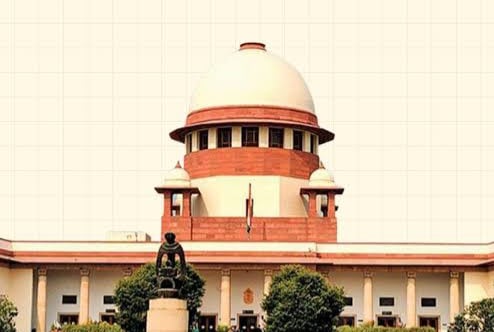

In a landmark administrative shift, the Supreme Court of India has rolled out a series of measures to conserve fuel and enhance efficiency, echoing Prime Minister Narendra Modi’s nationwide call for austerity amid the West Asia crisis.
Starting this week, the apex court will conduct virtual hearings on “miscellaneous days” — Mondays, Fridays, and designated recess days — to reduce travel-related fuel consumption. Judges have also been urged to adopt car-pooling for official travel, setting a precedent for sustainable practices within the judiciary.
In addition, up to 50% of registry staff will be allowed to work from home for two days each week. Registrars will prepare weekly rosters, monitor productivity, and retain the authority to recall staff to the office if required. The registry has been tasked with ensuring seamless video conferencing links and technical support to maintain judicial efficiency.
These steps follow PM Modi’s appeal to citizens and institutions to minimise petrol and diesel use, promote car-pooling, adopt electric vehicles, and encourage remote work. He also emphasised greater reliance on railways for parcel movement, avoiding unnecessary foreign travel, and exploring domestic destinations. Modi himself reduced the size of his convoy to set an example.
The Supreme Court clarified that the measures are designed to optimise resources and improve administration, not to cut welfare spending or subsidies.
Several BJP-ruled states and leaders have already begun adopting similar austerity practices, signalling a broader institutional shift toward sustainability.
Comments are closed.