

Virendra Pandit
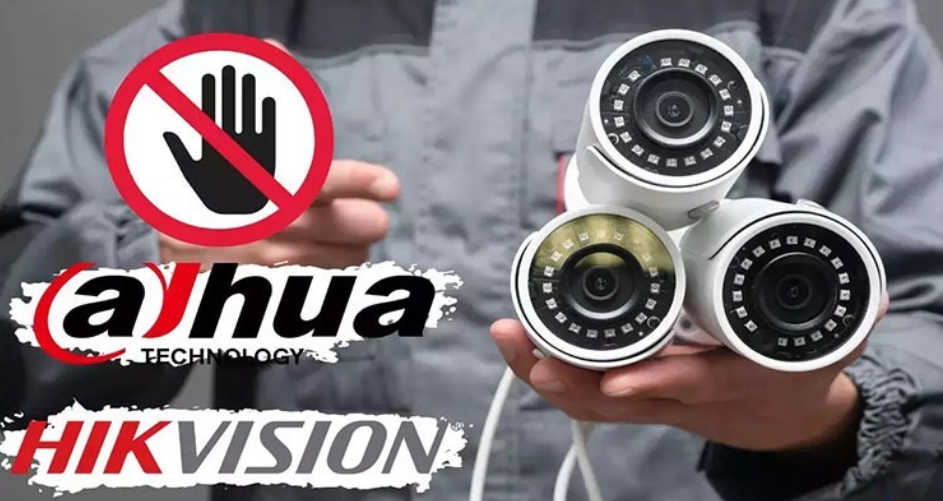
New Delhi: Starting April 1, India is restricting the use of Chinese-origin CCTV cameras, targeting companies such as Hikvision and Dahua Technology over national security concerns.
The move is expected to disrupt the current surveillance equipment market while opening opportunities for domestic manufacturers in one of the world’s fastest-growing video-surveillance markets, the media reported on Monday.
Chinese video surveillance companies such as Hikvision and Dahua will be barred from selling internet-connected CCTV cameras and other video surveillance products in India from April 1, when new certification rules come into effect.
The restrictions follow new security and certification requirements introduced by the government, requiring manufacturers to certify surveillance equipment before it can be sold in the Indian market.
Surveillance systems are considered critical infrastructure because they collect large amounts of sensitive data and monitor important public spaces such as airports, government buildings and transport hubs.
Foreign-made surveillance equipment could pose risks like data leakage or unauthorized remote access and potential foreign control over critical surveillance networks.
The restrictions come after the Union Ministry of Electronics and Information Technology introduced Essential Requirements (ER) norms for CCTV cameras in April 2024. The industry was given a two-year transition period to certify products under the government’s Standardization Testing and Quality Certification (STQC) regime.
Accordingly, CCTV manufacturers must disclose the country of origin of key components such as the System-on-Chip (SoC). Devices must also be tested at accredited labs for vulnerabilities that could allow unauthorized remote access.
So far, the government has certified 507 CCTV camera models under this framework.
India’s video-surveillance market is estimated to be worth around USD 5 billion to USD 7.5 billion. This sector has grown rapidly over the past decade due to rising urbanisation, smart city projects, and increasing security requirements in both public and private spaces.
Chinese brands historically held a large share of the Indian CCTV market because of their competitive pricing and wide distribution networks. The Chinese brands accounted for about one-third of CCTV sales in India until last year.
However, domestic companies have gained ground in recent years. Brands such as CP Plus, Qubo, Prama, Matrix and Sparsh have expanded their presence by shifting supply chains to Taiwanese chipsets and developing localized firmware.
As of February 2026, Indian players control more than 80 percent of the market, with the rest shared by global brands and smaller unorganized vendors.
Multinational companies such as Bosch and Honeywell dominate the premium segment of the market.
In 2024, Chinese vendors held nearly one-third of the market, Indian vendors another one-third, multinational brands around 10 percent, while the remaining 20 percent belonged to smaller traders in the unstructured segment. Since then, several Chinese players have either altered their supply chains or exited the market.
The Indian surveillance companies may benefit as demand shifts toward locally manufactured or trusted-source equipment. The restrictions could cause some disruption in the surveillance equipment market. Possible impacts include a temporary supply shortage and a slight increase in CCTV system prices.
The latest move is part of India’s broader “trusted vendor” approach to critical digital infrastructure. The framework aims to reduce dependence on Chinese technology vendors while encouraging suppliers from India and other trusted countries.
In recent years, the government has taken several steps to limit Chinese technology’s presence in strategic sectors. These include banning several Chinese mobile applications, such as TikTok, and restricting telecom equipment supplied by companies such as Huawei and ZTE.
Companies such as Hikvision and Dahua Technology are among the world’s largest surveillance equipment manufacturers, but they have faced increasing scrutiny globally.
Security agencies have expressed concerns in the past about issues such as hidden “backdoor” access, transmission of data to foreign servers and deployment of these cameras in sensitive locations such as defense facilities or government buildings.

Comments are closed.