
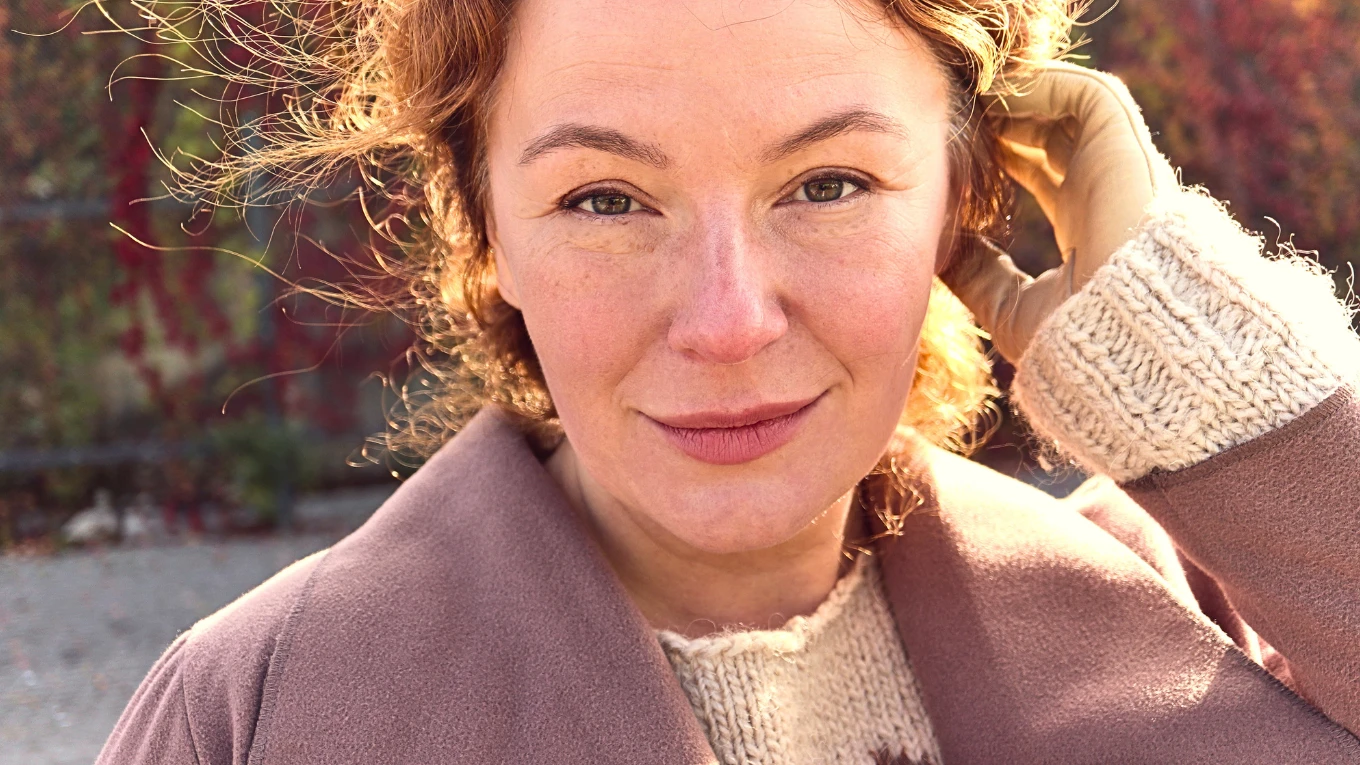

For generations, women feared getting older. The symptoms of aging and perimenopause, like brain fog, mood swings and even self-esteem issues felt inevitable. After all, we live in a shallow society that prioritizes our looks and desirability above all else. Aging often feels like becoming invisible or, worse, unlovable.
Thanks to healthcare providers like Sheryl A. Ross, MDsan award-winning women’s health physician, we no longer have to simply endure suffer the pain or even the shame associated with perimenopause.
As Dr. Sherry shared on the Getting Open podcast“There used to be 34 recognized symptoms of menopause. Now it’s closer to 70 to 100. We’re still working on the association of all the effects of estrogen. We can restore estrogen by simply giving hormone replacement therapy. And it reverses all these symptoms that affect our quality of life.”
Five symptoms women over 40 assume are ‘just aging, but doctors say are very treatable
Western medicine now recognizes what women have been trying to describe to their doctors for decades: perimenopause can be a profoundly disruptivescary time in a woman’s life.
For decades, women were offered relief through early hormone replacement therapy (HRT). However, in the early 2000s, this treatment was deemed too dangerous and given a black box warning due to a study that later was deemed problematic. Now, the black box warning is goneHRT is considered healthy and safe for most women, and many are celebrating the opportunity to be more comfortable in their bodies as they age.
1. Bone and joint pain
Maria Gladkova | Shutterstock
One research project focused on “bone loss during the menopausal transition, changes surrounding the final menstrual period, and the role of endogenous hormones and ethnic variation in predicting bone density and bone loss.” The results supported the use of hormone replacement therapy to reduce the risk of bone density loss.
While the risk of fractures in older women was well-known to doctors for generations, what wasn’t often associated with perimenopause was bone and joint pain. Women were often told, “That’s just what aging is like” and sent on their way. But, as Dr. Sherry explains, it doesn’t have to be that way.
“There are estrogen receptors everywhere,” she told Miller. “In our brain, in our skin, on down” and that’s why the symptoms can appear throughout the body. Not just the obvious ones like hot flashes or dry skin, but also, she says, “unknown heart palpitations, bone pain, joint pain” and more.
Replacing lost hormones can be a game-changer and reduce or even eliminate these bone and joint symptons.
2. Hot flashes and night sweats
Dr. Sherry explains, “As the estrogen levels start to fall and your ovaries start to produce less, it affects our whole body. There are estrogen receptors everywhere in our brain, in our skin, everywhere.” This explains the obvious symptoms of perimenopause we already know about, like hot flashes and night sweats.
But what a lot of women don’t know is that there is something they can do about these symptoms. Hormone replacement therapy has been shown by research to be widely effective at alleviating hot flashes.
3. Heart disease
 Fizkes | Shutterstock
“1 in 4 women die of heart disease,” says Dr. Sherry. And this is shocking because hormone replacement therapy has so many heart benefits. Studies have explored how estrogen is protective against heart disease and makes blood vessels more flexible. Looking back, it’s honestly devastating to think of how many women were denied this highly effective preventative treatment.
4. Cognitive functioning
Panic attacks and other effects of imbalanced moods can be regulated with hormone replacement therapy. But there are so many other effects on mood balancing your mood related to dementia and Alzheimer’s.
HRT can help minimize emotional dysregulation and have long-lasting cognitive benefits. One study suggested “HRT appears to be a potent and effective therapeutic option for protecting against Alzheimer’s disease in young women.”
Dr. Sherry wants women to know, “You get to age how you want, and you get more choices about how to care for your health in the long-term, and that HRT is safe and can help protect your health.”
5. Body shame
Naturally, when you get older and creep toward menopause, your body changes in all sorts of ways that make women feel unattractive and unimportant. Maybe you’ve given birth or dealt with major health challenges and bear scars or marks to show for it. In the past, that meant it was time to toss out your bikinis and don a caftan at the beach, instead. But these days, there’s no reason women have to hide that body or feel ashamed about it.
Of course, there have always been women who embraced aging and who relished the freedom of no longer being tied down by fertility, or burdened by the desirous gaze of men. Some call this their “crone era” and proudly allow themselves to enjoy the bodies they’re in, wear comfy clothes, and let their hair turn grey. But not everyone wants to go that way, and that’s perfectly valid.
While there isn’t just one way to “age well”, exercising — especially lifting weights — not only helps us build stronger bones, it can help us feel stronger and boost self-esteem. Science shows that it can even help improve mood and help stabilize hormones.
So let it go and learn to love your aging body. Ask your doctor or provider about HRT and other treatments to help manage the physical and emotional symptoms associated with aging and perimenopause. After all, aging is your destiny and the best outcome any woman could hope for.
Elizabeth Ayers-Callahan is a writer covering relationships, parenting and women’s well-being.

Comments are closed.