
Taiwanese woman sheds nearly half her visceral fat and 13 kg in 16 weeks without battling cravings

Dr. Hsu Shu-hua, a Taiwan-based general practitioner specializing in obesity and weight management, shared the case on Facebook on June 16. Her patient, 50-year-old Zhang, had seen her weight climb to 80.4 kg after years of intense work stress, which worsened following the Covid-19 pandemic, according to the Taiwanese news outlet SET.
The extra weight, combined with a sedentary lifestyle, placed significant strain on Zhang’s knees, causing persistent pain. Chronic stress also disrupted her eating habits, fueling constant hunger and continued weight gain.
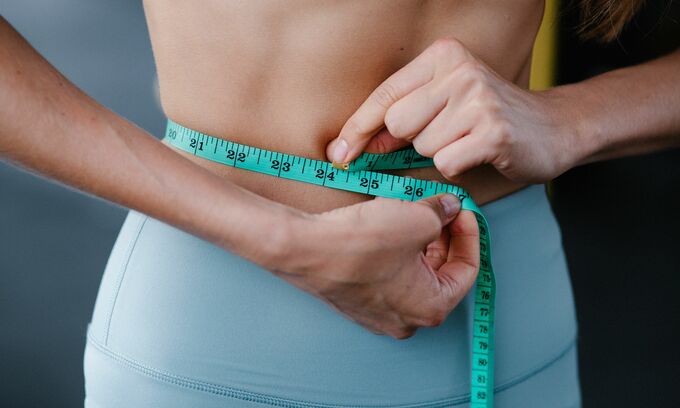
Healthy habits such as drinking enough water, improving deep sleep and balancing nutrients at each meal may help reduce visceral fat. Illustration photo by Pexels |
Hsu diagnosed her with “stress-induced visceral obesity,” explaining that prolonged stress keeps cortisol levels elevated, encouraging fat to accumulate around the abdomen and internal organs. Excess visceral fat can trigger chronic inflammation, impair insulin function and lead to leptin resistance, making it harder for the brain to recognize fullness and easier for fat to persist.
Instead of recommending extreme dieting, Hsu warned that fasting while coping with knee pain and limited mobility could further slow metabolism by pushing the body into a survival state, reducing its fat-burning ability.
Over a 16-week treatment plan, Zhang gradually rebuilt healthy daily habits, including drinking enough water, improving deep sleep, making smarter food choices and adjusting the nutritional balance of each meal. The program also carefully managed the timing of carbohydrate intake and portion sizes when eating out, allowing her to continue enjoying food while losing weight.
By the end of the program, Zhang’s weight had fallen from 80.4 kg to 67.5 kg. Her body fat percentage dropped from 38.6% to 28.4%, while her visceral fat level declined from a high-risk 14 to 7.
According to Hsu, reducing visceral fat is crucial because excess fat surrounding internal organs is closely linked to metabolic syndrome, cardiovascular disease, high blood pressure, elevated blood lipids and diabetes. Zhang’s metabolic blood markers also improved significantly during treatment.
Hsu said sustainable weight loss is achieved not by relying on willpower to fight cravings but by restoring the body’s hormonal balance. Once sleep quality improves, inflammation decreases and metabolism functions normally again, the body can naturally move toward a healthier weight, she said.
Comments are closed.