
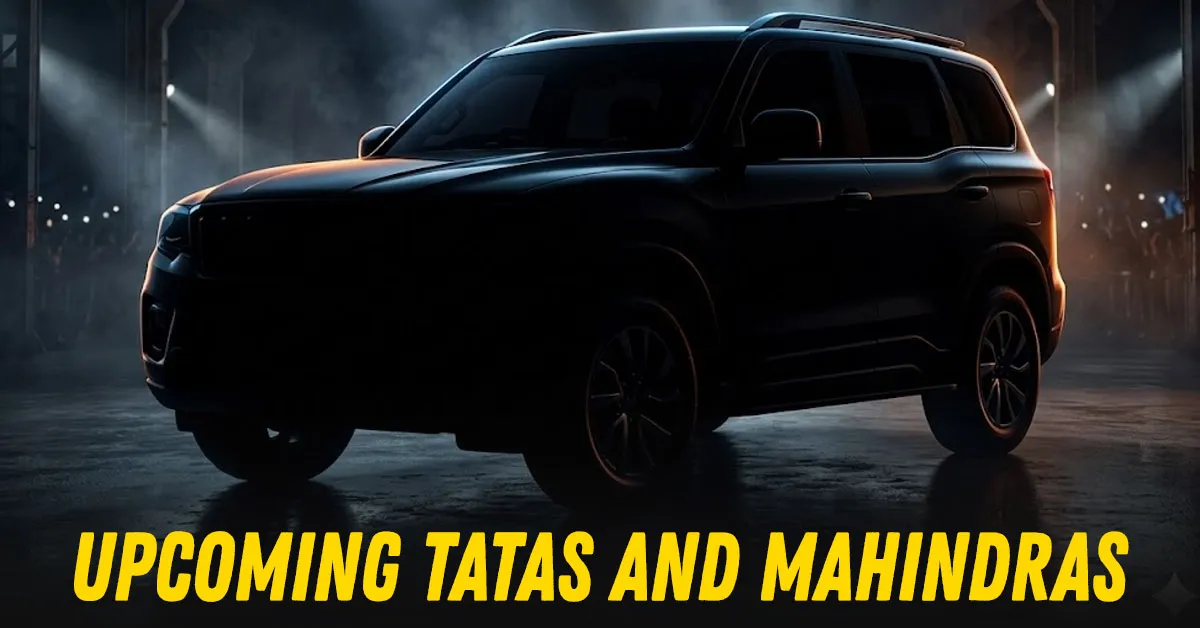

2026 is turning out to be a busy year for Indian manufacturers like Tata Motors and Mahindra. The two have a line of interesting launches planned for this year. These include both internal combustion engine (ICE) and EV offerings.
The next big launch from Tata Motors will be the Sierra.EV. Built on the same ARGOS platform as the ICE counterpart, this electric SUV will sit between the Curvv.EV and Harrier.EV in Tata’s India lineup. When launched here, the Sierra.EV will compete in the mid-size electric SUV segment. It will rival the likes of the Hyundai Creta Electric and Mahindra BE6.
In its design, the Sierra.EV will differ sharply from that of the ICE counterpart. It will retain design cues like the panoramic rear glass area, flush door handles and the tall stance. It will, however, have a different front fascia and new EV-spec wheels. Even the rear will have minor styling tweaks.
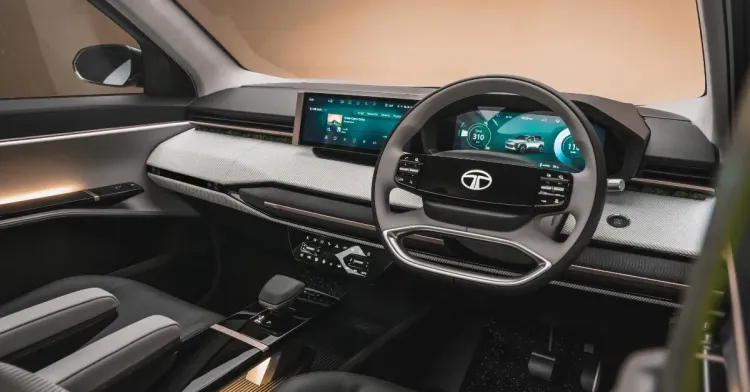
Inside, the Sierra.EV will use a different set of colours and trims. It will also come with a triple-screen setup, 12-speaker JBL audio with Dolby Atmos, panoramic sunroof, ventilated front seats, powered tailgate, dual-zone climate control with rear AC vents, rear sunshades, Head-Up Display (HUD), connected car technology and 360-degree camera.
Powertrain details aren’t known at the time of writing. It is likely to get two battery packs- 55kWh and 65kWh. Some reports also point to the electric SUV getting a larger 75 kWh. The Sierra.EV is expected to deliver around 600 km in range. All Wheel Drive (AWD) technology will be offered from day one. Tata Motors will manufacture the Sierra.EV at the Sanand plant, where it will share the production line with the ICE counterpart. We expect it to be priced in the range of Rs 20-30 lakh.
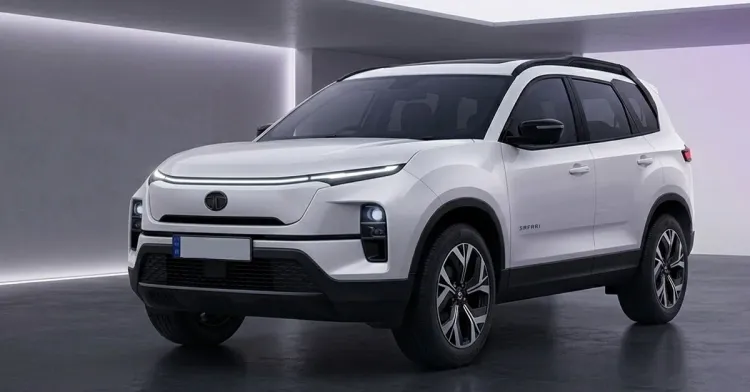
Tata Motors is also readying an EV based on the Safari. When launched, the Safari.EV will rival the likes of Mahindra XEV 9S and 9e. It will become the first three-row electric SUV from the Indian carmaker. The ex-showroom prices could fall in the range of Rs 22.5 lakh-30 lakh.
The Safari.EV will be based on the Harrier.EV’s Acti.EV+ platform. It is likely to borrow the battery packs from the electric Harrier- 65kWh and 75 kWh, Some reports also say that the electric SUV could get a new 80kWh unit. Details are expected to surface in the coming months.
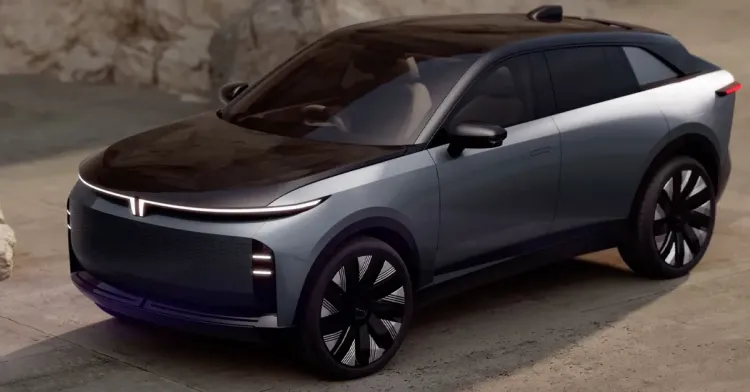
Tata Motors will enter the luxury EV space later this year. It will launch its premium EV sub-brand Avinya. It will be a line of products based on a localised derivative of JLR’s 800V EMA (Electrified Modular Architecture). Interestingly, the Range Rover EVs of the future will also be based on this platform.
The Avinya family will have an e-SUV as one of its first products. Essentially the production form of the Avinya X concept, it is expected to come with 80 kWh and 100 kWh battery packs. Range figures will likely be in the range of 500-720 km per charge. The Avinya’s platform will support ultra-fast charging- 10-80% charging will only take 20 minutes at a 350kW DC charger.
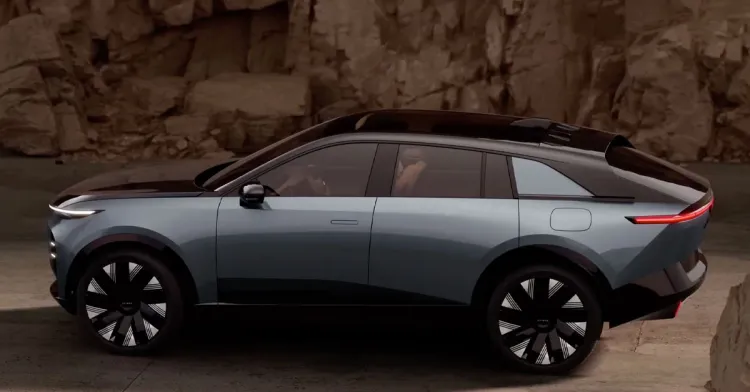
The Avinya family’s cabin will have a strong focus on occupant comfort. Its theme is being described as ‘Living room on wheels’. It will have a flat floor and a lot of cabin space. It is expected to offer a lounge-like experience. Prices of the Avinya SUV could fall in the range of Rs 40-60 lakh, ex-showroom, making it the carmaker’s most expensive offering.
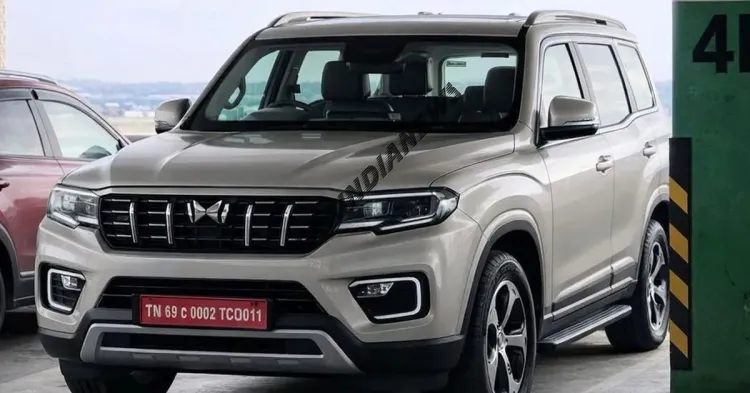
Mahindra is preparing a facelift to the hot-selling Scorpio-N. It will get small yet noticeable cosmetic changes. Expect a slightly different grille, restyled headlamps, redesigned bumpers, larger alloy wheels, and more. Additionally, it will have an improved cabin design and a longer list of features.
One of Mahindra’s key intentions with this facelift is to close the technology gap that the outgoing model has developed with its rivals, over the years. The facelifted Scorpio-N will likely come with a panoramic sunroof, ventilated seats, a larger touchscreen infotainment system and more. Also, ADAS features will be brought to more affordable trims.
This SUV will not have any mechanical changes. It will continue to be underpinned by a ladder-frame chassis and powered by 2.2L diesel and 2.0L turbocharged petrol engines. Both manual and automatic transmissions will continue to be offered. Only the diesel variants are likely to get 4×4 tech.
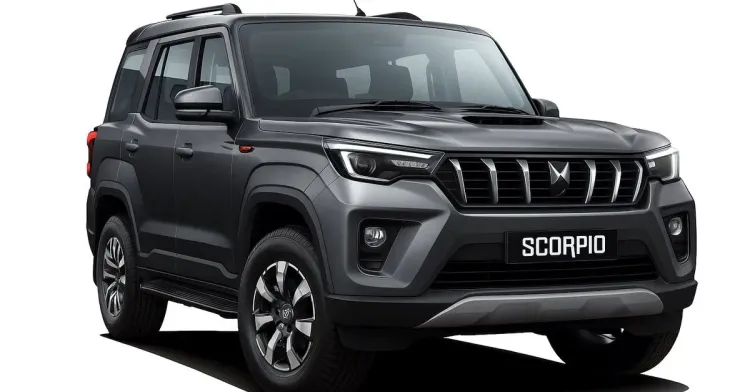
The Scorpio Classic, a model that is in good demand in semi-urban and rural India, is also due for an update. The facelift will bring design improvements and more equipment to the SUV. The exterior design is likely to be made more upmarket. Inside, the SUV will likely get a new infotainment system, more storage spaces and in general, a better, more practical cabin. It will continue to be powered by the familiar 2.2L mHawk engine mated to a manual transmission, generating 128hp and 300Nm.

The new-age Mahindra Thar was first launched in October 2020, and received several updates over the years. It even received a facelift in October 2025. Now, Mahindra has been spotted testing a version of the Thar, which we believe is the next-generation model or another facelift, with ROXX-like design. Details of this model are sparse.
We know that it will have ROXX-like front fascia with LED headlamps with C-shaped LED DRLs, six-slat grille, and a bold dual-tone front bumper. This model is also expected to borrow several of its features from the ROXX. It could come with a larger infotainment unit, dual-zone climate control and more. We expect to learn more in the coming months.
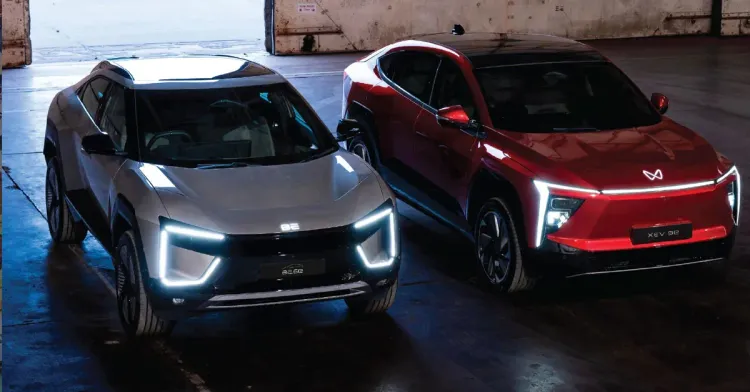
The XEV 9S, launched in November last year, was the third product in Mahindra’s Electric Origin lineup. It surprised us with its battery choices- 59 kWh, 70 kWh and 79 kWh. The other two electric origin SUVs- BE6 and XEV 9e, are available with 59kWh and 79kWh alone.
Later this year, we expect Mahindra to introduce the 70kWh battery pack in these electric SUVs as well. On the 9S, it has a claimed range of 600 km. Introducing it on the BE6 and 9e will give buyers a sweet mid-ground in terms of battery size, at a more affordable price point than the 79kWh.
Comments are closed.