


Tata Motors Chairman N Chandrasekaran laid out a specific and ambitious target at the company’s dealer business planning meet in Goa: a 20 percent share of the passenger vehicle market by 2030. Tata’s current share sits at approximately 13 to 14 percent based on VAHAN registration data. Getting to 20 percent means adding roughly 6 to 7 percentage points over four years in a market where every point is fiercely contested by Maruti, Mahindra, Hyundai, and a growing field of EV entrants.
To back the target with resources, Chandrasekaran reiterated that Tata Motors has committed Rs 35,000 crore in capital expenditure through 2030, an investment figure the company first formally outlined in mid-2025. The company could also recalibrate that investment upward if market conditions justify it.
Rs 35,000 crore is a number with allocation decisions attached to it, covering new platforms, plant expansions, and EV technology development over the next four years.
Tata’s May 2026 domestic PV sales were 59,090 units, up 42 percent year on year. VAHAN registrations surged over 50 percent. These are strong numbers, but the market Tata is competing in is expanding rapidly.
The overall passenger vehicle market ended FY26 at a record 47 lakh retail units. If it grows at 8 to 10 percent annually through FY30, the total market could approach 63 to 68 lakh units. A 20 percent share at that scale means Tata would need to be selling approximately 12.5 to 13.5 lakh units annually by FY30, compared to roughly 7.5 lakh in FY26.
That gap of 5 to 6 lakh units is the product plan in numbers. It cannot be closed by organic growth in the existing lineup alone. New segments and new products are required.
Tata’s product pipeline is the most visible part of its 20 percent plan. The Avinya brand, aimed at the Rs 20 lakh and above EV segment, is expected to launch its first model in 2027 on the Chery-JLR Freelander platform. This gives Tata a foothold in the premium EV space where it currently has no presence.
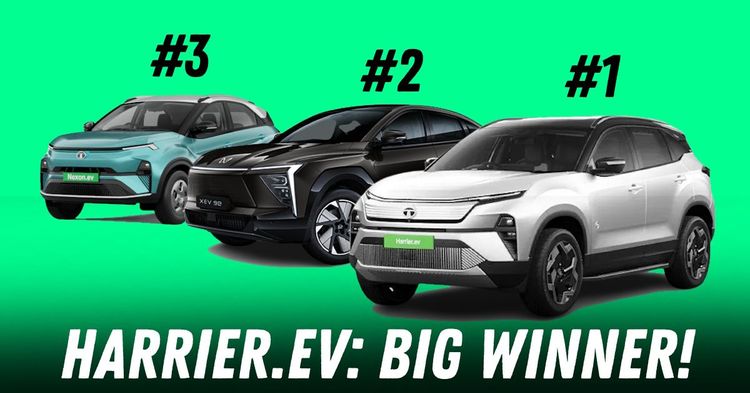
The Harrier EV, launched in June 2025 with dual motors and a 627 km certified range, is already in the market. The Sierra EV is not yet on sale, but is slated for launch later this year following the rollout of the ICE Sierra, expanding the brand’s presence in the mid-size SUV bracket.
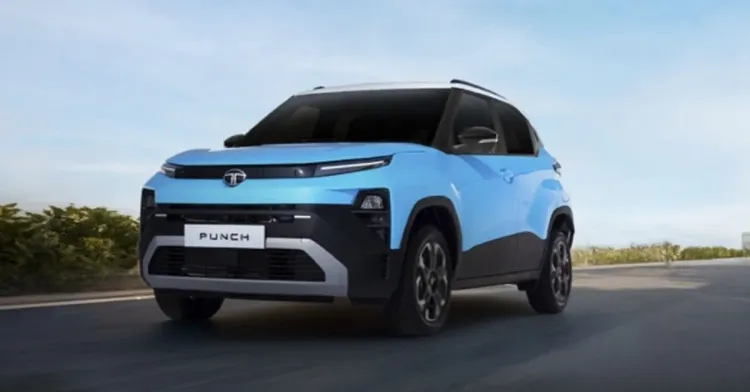
Below the Rs 15 lakh mark, the Tiago EV and Punch EV continue to anchor Tata’s volume base in the electric segment. Combined EV sales hit 10,517 units in May 2026, the brand’s highest-ever monthly electric figure. EVs now account for roughly 17.8 percent of Tata’s total PV sales, a share that no other mass-market brand currently matches.
On the internal combustion side, the next-generation Nexon, one of the most anticipated product updates in Tata’s pipeline, is expected within FY27. Given that the Nexon has consistently been among the top five selling cars month on month for several years, a new generation with updated features and powertrains would directly address competitive pressure from the refreshed Hyundai Creta, Kia Seltos, and the Maruti Grand Vitara.
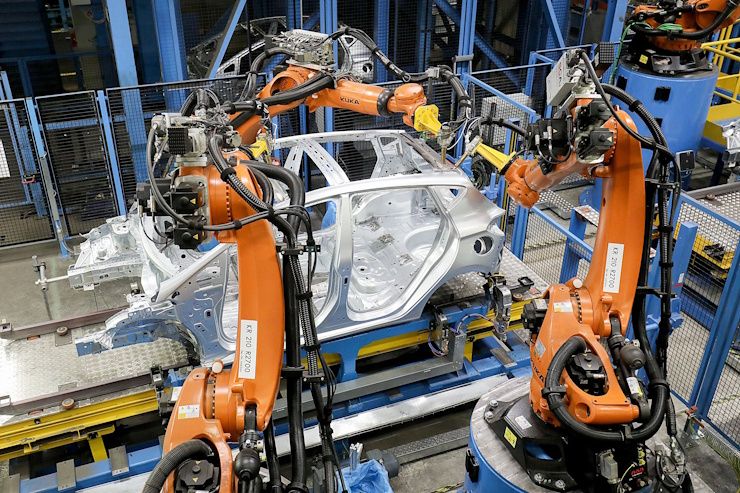
Reaching 20 percent market share is also a manufacturing question. Tata’s existing capacity across its Pune and Sanand plants, plus the new Ranipet facility in Tamil Nadu currently being commissioned, will need to support significantly higher output.
The Ranipet plant is being built with EV production in mind and will serve as the assembly base for the Avinya range. The Sanand plant, acquired from Ford in 2023, has been ramped up steadily and now contributes in a big way to Tata’s monthly output.
Chandrasekaran’s 20 percent target is the kind of declaration that gets tested against quarterly results over the next 4 years. The Rs 35,000 crore commitment, the EV platform bets, the Avinya brand, and the next-generation Nexon are the key elements he is betting on to achieve these numbers.
Comments are closed.