
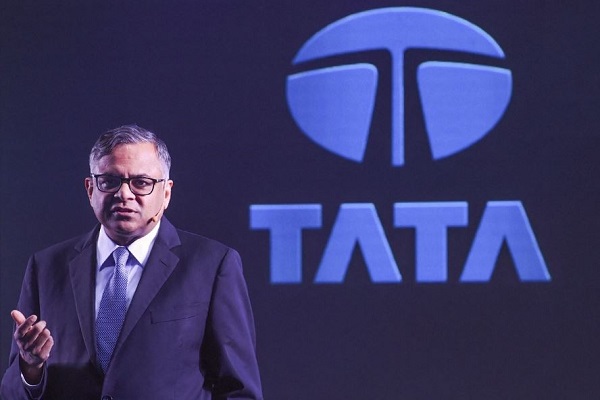

Mumbai, 3 April. Amidst global tensions including West Asia due to Israel-US vs Iran war, the country’s largest industrial group Tata Sons has started taking precautionary measures. Tata Sons Chairman Natarajan Chandrasekaran has held an emergency meeting with the CEOs of 30 major group companies to review the business situation. In this sequence, Tata Group is launching a scheme to assist its more than 10,000 employees in West Asia as the region continues to face conflict.
The safety and welfare of employees is being given top priority
N. Under Chandrasekaran’s leadership, the company is working with more than 30 CEOs to help bring back stranded employees to the UAE and to help employees in Qatar obtain Saudi Arabian visas through the Indian Embassy. The road is enabling movement from Doha to Riyadh, with the safety and welfare of employees being given top priority.
In fact, the global business of companies like Tata Motors, Tata Steel and TCS is huge. The meeting discussed how the war could affect the import of raw materials. There is a fear that due to increasing fuel prices due to tension in West Asia, production costs will also increase. The impact of the war on the global economy was analyzed on the Tata Group’s IT and steel exports.
In view of the escalating war situation, Tata has given top priority to the safety of its employees. Tata Sons Chairman N. Chandrasekaran told a review meeting held on April 2 that more than 10,000 employees of the group are currently working in various countries in the war-torn region. The group has prepared a special plan for the safety of these employees and to bring them back to India if required.
According to Tata Group, the CEO has been asked to remain ‘vigilant’. N. Chandrasekaran has asked all company heads to be more cautious in the coming months. Companies like Tata Motors and Air India may be directly affected by this war as air and sea transportation are at risk.

Comments are closed.