


Two of the largest carmakers in India, Tata Motors and Mahindra Automotive, have managed to achieve a major global milestone. According to the International Council on Clean Transportation (ICCT) Global Automaker Rating 2025, Tata Motors and Mahindra have become the two most energy-efficient electric vehicle manufacturers in the world. In simple words, Tata Motors and Mahindra Automotive electric cars are some of the most energy-efficient electric cars in the world.
Currently, India’s largest electric vehicle maker, Tata Motors, has been named the top car maker in the ICCT Global Automaker Rating 2025 for electric vehicle energy efficiency. It has been highlighted that its adjusted energy consumption figure is 106 Wh/km. And this makes its EVs the most energy-efficient among all automakers that were evaluated in the report.
Basically, lower energy consumption means that vehicles require less electricity to travel the same distance. This directly benefits customers as the running costs become low, and they offer improved efficiency.
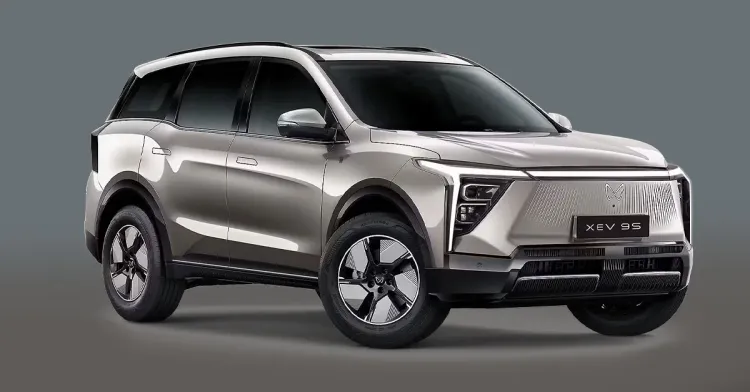
As for the second automaker on this list, it is none other than Mahindra, which has managed to take the second position globally with an adjusted energy consumption figure of 113 Wh/km. This is an even more important achievement as Mahindra was included in the ICCT Global Automaker Rating for the first time this year.
The Global Automaker Rating is an annual report that is published by the International Council on Clean Transportation (ICCT). The 2025 edition, in total, evaluated 22 of the world’s largest automakers, and it measured their progress towards zero-emission mobility. These automakers were assessed using 10 different metrics.
These metrics track their EV sales performance, transition towards electric vehicles, manufacturing decarbonisation efforts, and overall readiness for the future of mobility. And based on these metrics, manufacturers are then categorised as Leaders, Transitioners, or Laggards. Tata Motors has managed to retain its status as a Transitioner in this year’s report. Meanwhile, Mahindra made its debut in the rankings.
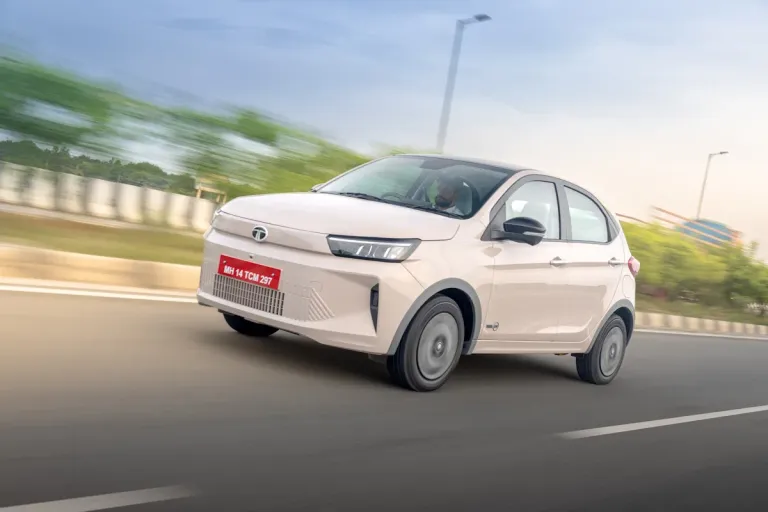
As per the ICCT report, it has been highlighted that Indian car makers are now building some of the most energy-efficient electric vehicles in the world. This is important because highly efficient EVs consume less electricity per kilometre. This reduces the overall energy demand and helps in improving sustainability.
This efficiency advantage can also support India’s energy security goals. The report highlighted that lower electricity consumption and increased EV adoption can help in reducing the dependence on imported oil, strengthen domestic manufacturing, and improve the country’s overall energy security.
We all are aware that even though India’s EV industry is making major progress, the country still has a long way to go. India has set a target of achieving 30 percent EV penetration in new vehicle sales by 2030. However, electric vehicles currently contribute 4 percent of new passenger vehicle sales.
The report has also highlighted that, in order to achieve these ambitious targets, a combination of market incentives, industrial policy support, and stronger fuel-efficiency regulations will be required. It has also been specifically pointed out that more stringent CAFE III norms will act as an important step towards accelerating EV adoption.
Amit Bhatt, Managing Director of ICCT India, stated that it is encouraging to see India’s EV transition being led by strong home-grown manufacturers. He added that Mahindra’s inclusion in the latest report highlights the growing global relevance of Indian automotive companies. Bhatt also added that ambitious and progressive fuel-efficiency regulations can play a crucial role in helping India move closer to its target of 30 percent EV sales by 2030.
Speaking on the global transition to EVs, Dale Hall, ICCT global program lead, stated, “This rating shows that the global auto industry’s electric transition is no longer a distant future. In 2025, EVs accounted for 25% of global new light-duty vehicle sales, and almost all major automakers analysed in our report increased their EV sales share. The key question now is not whether automakers will sell EVs, but how quickly they can supply competitive electric models across different markets and vehicle segments to remain competitive.”
Via ICCT
Comments are closed.