
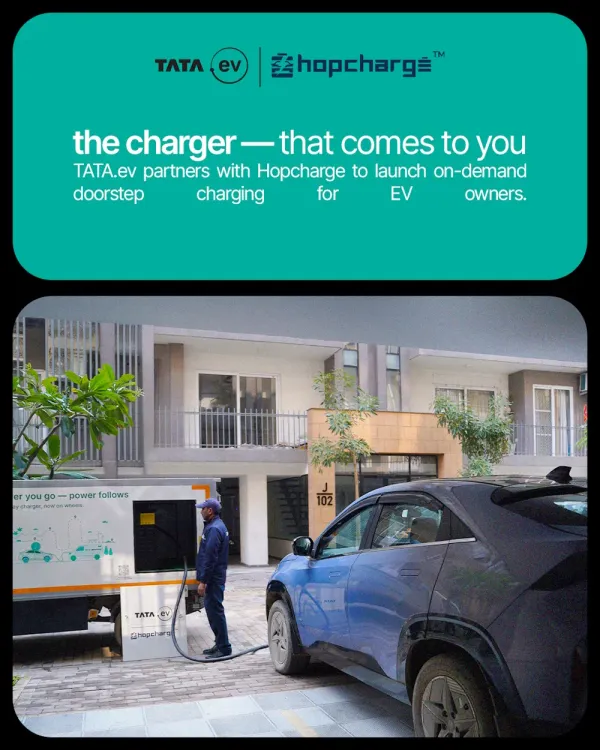

In a move to address one of the biggest hurdles for electric vehicle buyers, the passenger electric vehicle division of Tata Motors has partnered with mobile charging company HopCharge. The tie-up introduces on-demand, doorstep EV charging vans across the National Capital Region, which includes Delhi, Gurugram, Noida, and Faridabad. This service allows Tata EV owners to schedule a fast-charging session at their convenience, completely eliminating the need to wait in line at a public charging station or rely on a fixed home charger.
The initiative is designed primarily to alleviate charging anxiety for a specific subset of buyers. While electric vehicle adoption is steadily growing across the country, a large number of potential buyers in massive metropolitan cities are held back simply because they do not have a dedicated parking spot. Tata Motors recognizes that removing this specific ownership hurdle is critical to expanding its customer base beyond early adopters who have the luxury of private garages.
Also Solves The Apartment Problem
Setting up a fixed charging infrastructure is a major challenge for residents of high-rise apartment complexes, people living in rented accommodations, or those who frequently relocate.
In densely populated urban clusters, residential welfare associations often restrict the installation of individual EV chargers due to the limited electrical load capacity of local transformers.
If a large number of electric vehicle owners in a massive condominium requested dedicated fast chargers in the basement, it would completely alter the power demand and require expensive transformer upgrades.
The mobile vans from HopCharge bypass this grid infrastructure problem entirely. By acting as a distributed energy storage system, the service allows owners to charge their cars seamlessly without needing complex permissions from landlords or apartment associations.
It effectively provides a reliable backup plan for buyers who previously dismissed the idea of buying an electric car due to the lack of home charging options. This is a crucial step for Tata Motors, which needs to convert these hesitant buyers to maintain its aggressive sales targets in the EV space.
How The Mobile Charging Works
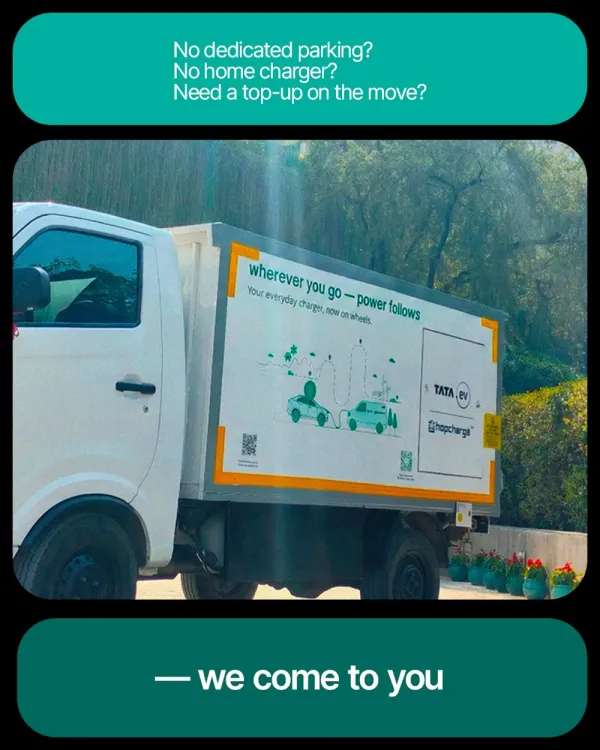
The operation relies on custom-designed hardware mounted inside commercial CNG vans. These vans act as mobile energy pods, carrying a large battery pack paired with a high-power rapid charger, similar to the fast chargers found at standard public stations. This setup ensures that the mobile unit keeps its own running emissions low while delivering electricity to the customer.
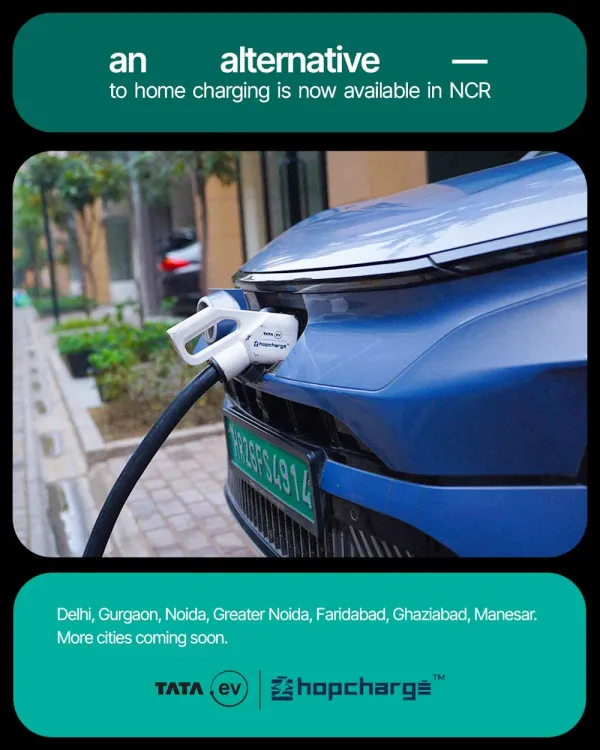
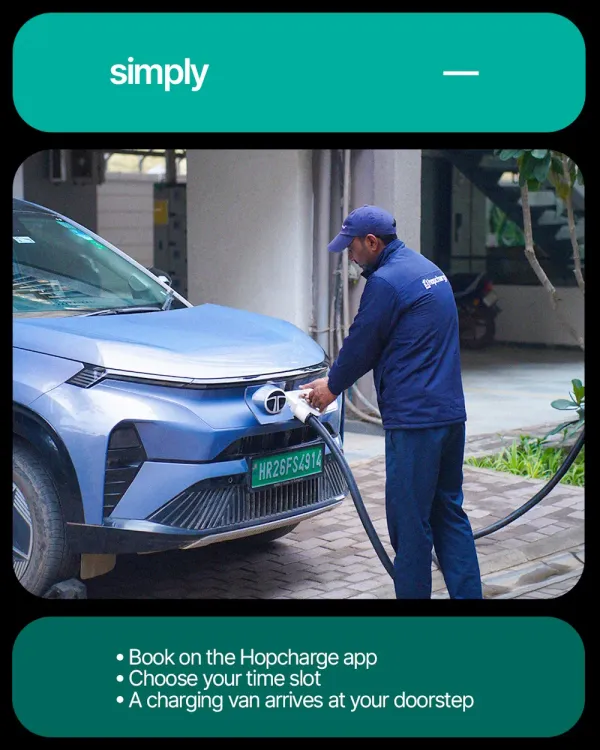
Users can easily schedule a charging session through a dedicated smartphone application. Once a specific time and location are set, the Hopcharge van arrives at the parked electric vehicle. This could be at the owner’s home, an office parking lot, or even a public space like a shopping mall. The entire service is aimed at utilizing the vehicle’s idle time efficiently.
Instead of an owner driving to a public station and dealing with the hassle of queuing, broken chargers, and a minimum 40-minute wait, the car gets replenished while it remains parked and unused. Depending on the battery size of the car, a rapid top-up can get the vehicle ready for the daily commute without any direct downtime for the owner.
Complimentary Charging For New Buyers
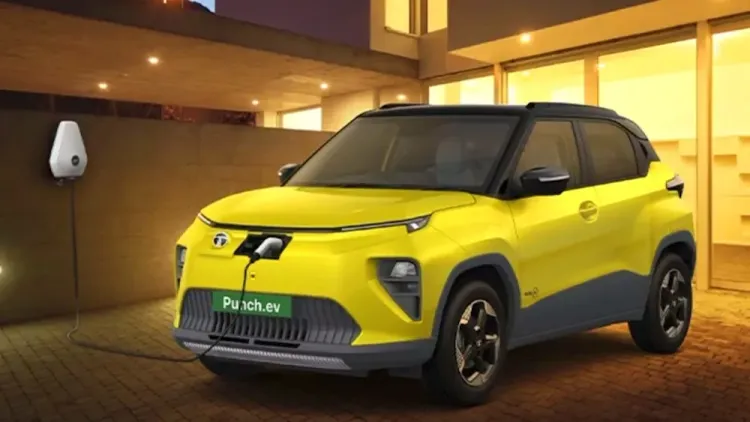
To incentivize the adoption of this new service and attract buyers who are still on the fence, Tata Motors is bundling the HopCharge service with new car purchases. Customers who buy a new Tata electric vehicle through authorized dealerships in the NCR will receive complimentary doorstep charging sessions for a limited promotional period.
Tata Motors currently dominates the electric passenger vehicle market with its multi-product line-up, including the Tiago EV, Punch EV, Nexon EV, and the newly launched Curvv EV. To put things into perspective, the brand commands a massive chunk of overall EV sales, dispatching over 8,300 electric vehicles in February 2026 alone.
However, sustaining this sheer volume growth requires continuous effort in supporting the underlying charging infrastructure. Range anxiety is no longer just about the battery capacity of the car; it is equally about the accessibility and reliability of the charging network in dense cities.
By integrating Hopcharge mobile vans into its ecosystem, the carmaker is essentially offering a dedicated charging valet. While the exact details regarding the total fleet size of these charging vans and future expansion plans to other major cities remain undisclosed, this mobile charging model presents a highly practical workaround for the infrastructure bottlenecks currently plaguing metropolitan areas.

Comments are closed.