


Tata Motors is making structural changes at the top level to bridge the gap between its domestic passenger vehicle business and its luxury arm, Jaguar Land Rover. Balaje Rajan, the current Chief Strategy Officer for Tata Motors Passenger Vehicles and Tata Passenger Electric Mobility, has been appointed as the new Group Chief Strategy Officer for JLR.
Starting April 1, 2026, Rajan will relocate to the UK and report directly to the CEO of JLR. However, his ties to the domestic business will not be completely severed. He will continue to support strategic collaborations at Tata Motors, acting as a crucial link between the two massive entities.
Rajan has been a key figure in the domestic business since joining Tata Motors in 2021. He played a central role in shaping the commercial roadmap for Tata Passenger Electric Mobility, a division that currently commands over 65 percent of the Indian electric passenger vehicle market. His transition to the global luxury brand comes at a critical time for JLR as it executes its massive corporate restructuring plan.
This high-profile appointment indicates a clear shift in how Tata Motors views its relationship with JLR. For years, the two brands operated with significant separation. Now, there is a distinct push for closer coordination.
Rajan’s mandate at JLR will involve aligning platform directions, streamlining electrification strategies, and looking for areas where technology can be shared effectively.
This becomes critical as both brands aggressively expand their electric vehicle portfolios. Instead of developing everything from scratch independently, the focus is shifting toward smart resource sharing.
JLR has committed to investing roughly 15 billion pounds over the next five years to transition its traditional luxury lineup into an electric first portfolio. By the end of this decade, the British manufacturer aims to offer pure electric variants across all its Range Rover, Discovery, and Defender models.
Managing the capital allocation and engineering priorities for this massive transition will be a core part of the new strategy role. JLR also recorded strong financial performance over the last fiscal year, posting its highest revenue in recent history, which gives it the necessary cash flow to fund these heavy engineering programs.
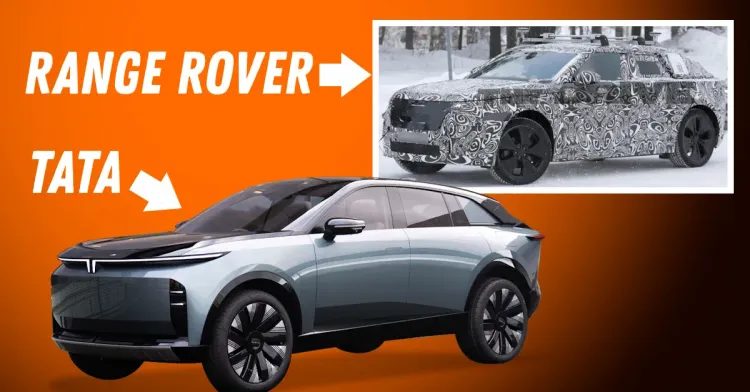
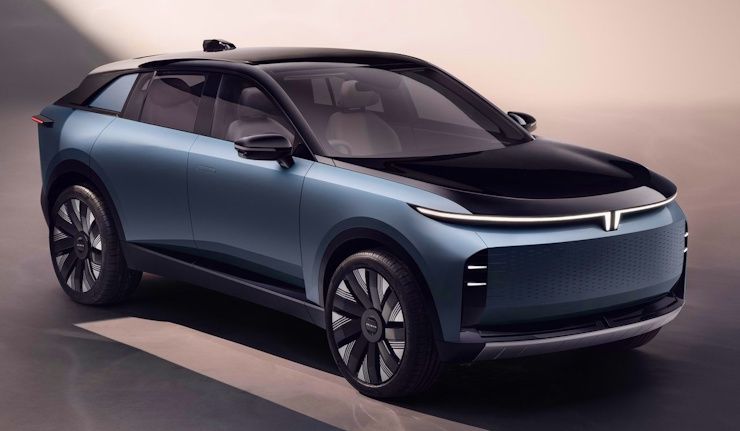
The most immediate and visible impact of this closer working relationship will be seen in the upcoming Tata Avinya electric vehicle range. Tata Motors has already confirmed that the Avinya platform will utilize learnings and select technologies borrowed from JLR.
This represents a departure from traditional platform sharing. Tata Motors signed a formal agreement to license the Electrified Modular Architecture from JLR. Tata will pay a royalty fee to the British brand for utilizing this born electric platform. The architecture features highly integrated propulsion systems, advanced battery management software, and supports ultra-fast charging capabilities.
The first vehicle built on the Avinya platform is scheduled to launch by early 2026. The Avinya models will be manufactured at a new facility in Tamil Nadu, which recently received a committed investment of Rs 9,000 crore from Tata Motors.
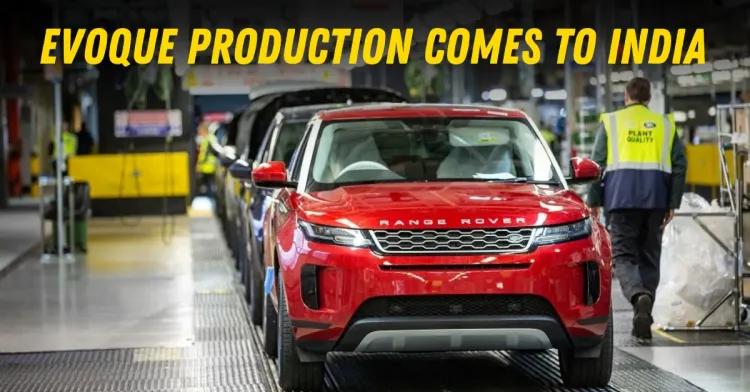
The plant is expected to have an initial production capacity of 2.5 lakh vehicles annually. Meanwhile, JLR will use the exact same architecture for its upcoming mid sized Range Rover electric SUVs. Rajan is uniquely positioned to manage this complex technical and financial exchange from the JLR side.

Comments are closed.