


Tata Motors’ passenger vehicle business has grown nearly threefold over the past five years, from a monthly average of around 18,500 units in FY2021 to over 53,000 units a month in FY2026, with full-year wholesales hitting a record 6,41,587 units. That growth brought with it a scale of customer ownership that the company’s quality systems and service infrastructure were not always keeping pace with.
Owner forums consistently flagged concerns around fit-and-finish inconsistencies, after-sales turnaround times, and repeat visits for the same issue. Now Tata Motors is deploying artificial intelligence, predictive diagnostics, and digital engineering tools across its operations to address those gaps. MD and CEO Shailesh Chandra has made this a stated leadership priority.
The most concrete early number Tata has put out is a 60 percent reduction in early-life vehicle issues. This covers problems that surface within the first few months of ownership, the category of complaints that damages brand reputation most visibly.
The improvement has come through a combination of tighter quality checks on manufacturing lines, better logistics processes, and the introduction of electronic proof-of-delivery systems that reduce the chance of vehicles reaching customers with unresolved issues.

Tata plans to expand its use of digital twins, which are virtual replicas of physical vehicle systems, alongside hardware-in-loop and software-in-loop validation technologies. The practical implication of these tools is that engineers can run thousands of test scenarios on a virtual vehicle before a physical prototype is built. Faults that would previously have only shown up in late-stage physical testing, or worse, in customer hands, can now be identified and resolved months earlier in the development cycle.
On the manufacturing side, AI systems are being used to flag process deviations in real time, which prevents batches of vehicles with the same underlying defect from moving through the line undetected. This is directly relevant to the kind of intermittent, hard-to-replicate issues that service technicians find difficult to diagnose once a car is already in the field.
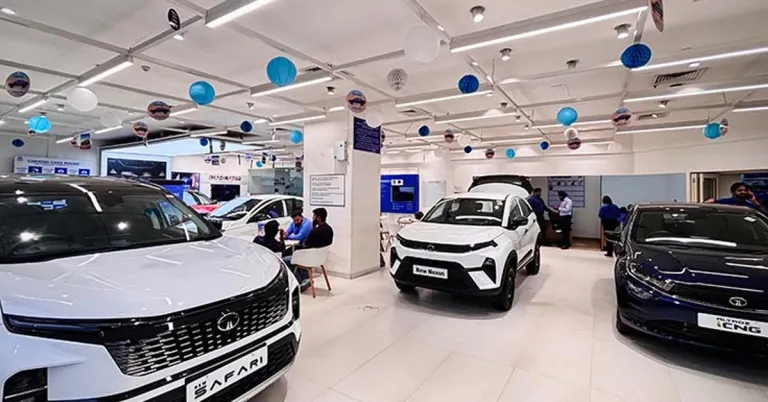
AI-powered diagnostic tools are being introduced across the service network. These systems analyse fault codes, owner-reported symptoms, and historical repair data to help technicians identify the most likely cause of a problem faster and resolve it correctly the first time.
The consistency gap between a large authorised service centre and a smaller one-bay workshop has been a recurring complaint from Tata owners. Tools that reduce reliance on individual technician skill and experience can help close that gap, regardless of where in the country the service is being done.
The Total Quality Management framework being implemented across engineering, manufacturing, suppliers, and after-sales is the structural piece that ties all of this together. Quality systems work when they run end-to-end.
A car built well but damaged in transit, or repaired poorly at the service stage, still produces a dissatisfied owner. Whether the 60 percent early-life improvement holds as volume continues to grow will be the real test of whether the AI and TQM investments are building durable quality or managing optics.
Comments are closed.