
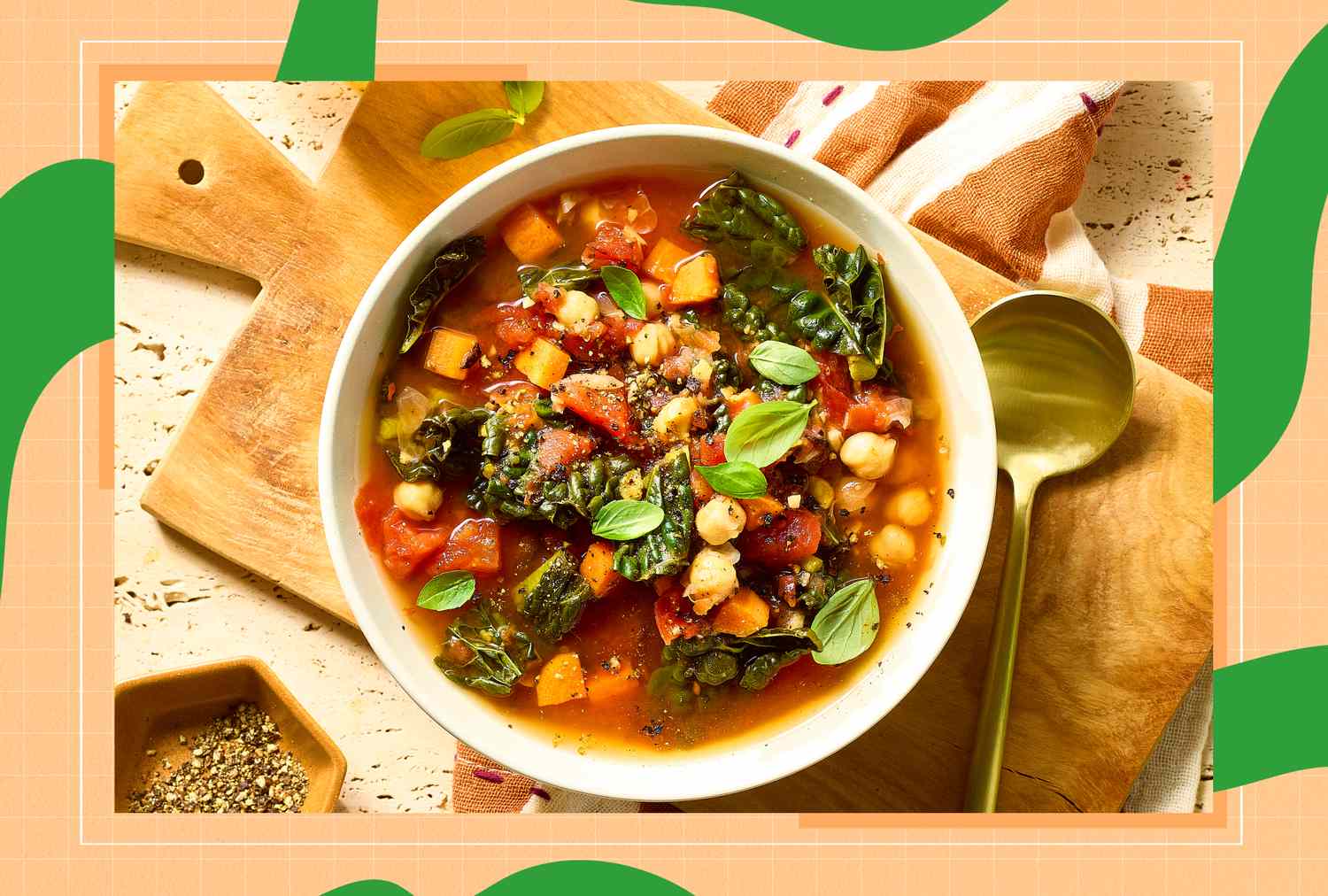

- Adding canned tomatoes to stew provides anti-inflammatory antioxidants and fiber.
- Canned tomatoes are also convenient and shelf-stable, so keep a couple of cans on hand.
- For even more anti-inflammatory power, add turmeric, ginger, leafy greens or canned beans.
Chronic inflammation is common among people managing health conditions like diabetes, heart disease, cancer and autoimmune disorders. But it doesn’t have to dictate your daily life. Research shows that making strategic choices, like eating more anti-inflammatory foods, can keep this troublemaker at bay. And the best part? Working more inflammation-fighting ingredients into your meals doesn’t require hours in the kitchen or a pricey grocery haul.
Enter canned tomatoes. Dietitians agree that stirring a can of tomatoes into a pot of stew is one of the simplest upgrades you can make to support an anti-inflammatory eating pattern. Sarah King, MA, RDN, NBC-HWCagrees. “While there is no one food that will keep us disease-free, there are many anti-inflammatory foods, like canned tomatoes, that can help mitigate the effects of inflammation and reduce the risk of chronic diseases,” she says.
Read on to learn why canned tomatoes are the best anti-inflammatory ingredient to add to your stew, plus other easy ways to increase your stew’s inflammation-fighting power.
Anti-Inflammatory Benefits of Canned Tomatoes
They’re Rich in Antioxidants
Antioxidants are like superheroes that help capture disease-causing free radicals that can promote inflammation and cause long-term damage to your cells. Fortunately, tomatoes contain several inflammation-busting antioxidants. The first is lycopene. This powerful antioxidant doesn’t just give tomatoes their beautiful red color. Research shows that lycopene may help protect against inflammation linked to cancer, heart disease, rheumatoid arthritis, inflammatory bowel disease and more.
While it’s easy to assume fresh is best, that’s not the case when it comes to tomatoes. The lycopene in canned tomatoes is actually more readily available to the body than lycopene from fresh tomatoes. Why? “During the canning process, the tomatoes are slightly heated, which helps release the lycopene, making it easier for the body to absorb it when we eat it,” explains Koszyk. Because tomatoes shrink down when they’re cooked, canned tomatoes also deliver greater amounts of lycopene than their fresh counterparts. For example, 1 cup of canned tomatoes contains 6,100 micrograms of lycopene, compared to the 4,630 mcg in a cup of chopped, fresh tomatoes.,
But it’s not just about the lycopene. Tomatoes are also rich in vitamin C, an important antioxidant that helps reduce inflammation, says Natalie Rizzo, M.S., RD. One cup of canned tomatoes provides 30 milligrams of vitamin C, delivering a third of the Daily Value.
They’re a Good Source of Fiber
With 4.5 grams of fiber per cup, canned tomatoes provide roughly 16% of the DV for this under-consumed nutrient. Research shows that adding more fiber to your day helps improve overall health and may protect against inflammation as well as heart disease, obesity and colon cancer. There are several mechanisms involved. But one big one is fiber’s ability to foster the growth of good bacteria in your gut. When these microbes are well-fed, they produce anti-inflammatory compounds, called short-chain fatty acids.
“All fruits and vegetables provide some fiber, and the more you can add into your diet, the better,” says Rizzo. In addition to the fiber from tomatoes, tossing additional vegetables, herbs and spices into your stew adds extra fiber plus antioxidants, a powerful inflammation-lowering combo, she adds.
They’re Accessible, Convenient and Versatile
Hands up if you have a can of tomatoes already in your pantry? After all, they are convenient and tasty. Plus, they’re shelf-stable and come in a number of sizes and varieties to choose from. So, keeping a couple of cans on hand is an easy way to rack up more inflammation-fighting nutrition, even when life gets hectic.
Don’t just save canned tomatoes for stew. Toss them into pasta, chili, soups and grain dishes. Whether your goal is reducing inflammation or you just want to add more veggies to your day, they’re an outstanding staple to toss into all sorts of dishes.
Other Anti-Inflammatory Ingredients to Consider
Canned tomatoes aren’t the only ingredient you can use to enhance the anti-inflammatory potential of your stew. Next time stew is on the menu, try adding some of these protective ingredients.
- Turmeric: “Turmeric is a superior spice for immune function and is traditionally used to help reduce inflammation for people with arthritis, liver and gallbladder problems,” says Koszyk. Fresh or dried, it’s a wonderful way to add a pop of color to your stew and calm inflammation in the process!
- Ginger: Whether fresh or dried, ginger is another spice with potent antioxidant and anti-inflammatory properties. Research has found it may be particularly effective for alleviating arthritis-related inflammation.
- Canned beans and legumes: Tomatoes aren’t the only canned food to punch up your stew’s inflammation-fighting power. Canned beans and legumes are also packed with inflammation-taming antioxidants and fiber. “Add chickpeas, lentils, black beans, kidney beans, adzuki beans or mung beans to any stew, soup, stir-fry or grain dish for a heartier, protein-packed, anti-inflammatory dish,” suggests Koszyk.
- Leafy greens: Are you a spinach, kale or collard green fan? Pick your favorite and toss it into your stew. In return, you’ll gain a double dose of fiber and antioxidants.
Our Expert Take
Up the ante on your next batch of stew by adding a can of tomatoes! Canned tomatoes are rich in inflammation-fighting antioxidants and fiber. Plus, they have a long shelf life, which means you don’t have to worry about running out to the store when you want to get a healthy meal on the table.
Want to add more inflammation-quashing bang to your stew? Add some turmeric, ginger, leafy greens, canned beans or legumes to the pot. They’re filled with compounds that have also been shown to lower inflammation, plus they’re loaded with flavor.

Comments are closed.