
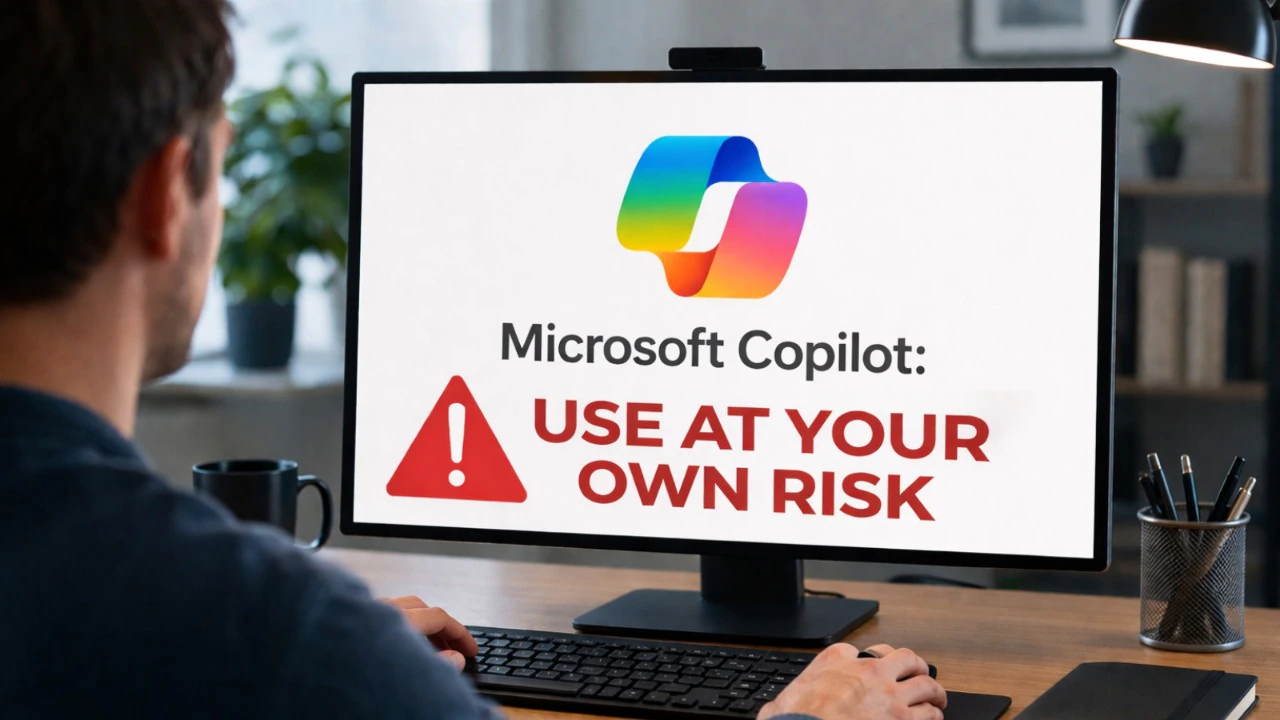

At Microsoft, Copilot is positioned as a key part of the company’s future. It is built into Windows, Office, and new Copilot+ PCs to help users work faster and smarter. At the same time, the terms of use take a careful approach, making it clear that Copilot has limits and should be used with caution, especially for important tasks.
The fine print is direct. Copilot is not meant for serious decisions. It can make mistakes. It may not work as expected. Users take the risk when they rely on it. That language is not hidden. It is clear and simple.
This contrast matters. Many users see AI as smart and reliable. The way companies present these tools adds to that belief. When people hear about AI in daily apps, they assume it is ready for real work. The legal text pushes back on that idea.
This gap is not unique to Microsoft. Across the AI industry, companies use similar warnings. Elon Musk’s xAI also explains that its systems are probabilistic. That means they predict likely answers, not correct ones. The results can include false facts, strange outputs, or content that does not fit the task.
These warnings may sound obvious to engineers. AI models do not “know” things. They generate text based on patterns in data. Still, many users treat them as sources of truth. That is where the risk begins.
Balancing AI Utility with Human Accountability
Real-world cases show how this risk plays out. At Amazon, engineers once let an AI coding tool make changes without enough review. The result led to system issues. The company later called it user error, not AI failure. That response highlights a key point: people remain responsible for what AI produces.
This is where human behavior comes in. Many people trust machine output too quickly. This is known as automation bias. When a system gives an answer that looks clean and confident, users often accept it without checking. That habit can lead to mistakes, especially when the AI is wrong.
With increasingly sophisticated AI, the issue will only escalate. Today, an erroneous response would be highly polished and coherent, with all the necessary linguistic nuances, appropriate tone, and correct jargon. This will complicate the detection process.
A legal disclaimer serves as an insurance policy for a business. The language is crafted by professionals in order to mitigate any potential risk. It will clarify all limitations of the system and transfer liability to the user. In case of any mistake, the company could easily refer to the terms.
Microsoft and the AI Paradox, Balancing Marketing Hype with Legal Realism
On the contrary, a marketing campaign highlights other characteristics of AI, such as convenience, efficiency, and quick results. Both approaches are valid in their own sense. The technology can bring significant improvements and simplify routine tasks immensely. However, it may also malfunction unexpectedly.
This tension defines the current stage of AI. The tools are useful but not fully reliable. They work well for drafts, ideas, and simple tasks. They struggle with accuracy, context, and edge cases. That is why companies avoid strong claims in legal text.
For users, the message is straightforward. See the AI system as an aid, not an authority. Verify crucial outputs. Avoid using it for vital responsibilities without verification. Apply it to expedite processes, not to automate reasoning.
For businesses, the issue is finding equilibrium. They aim for adoption, yet they need to contain risks. They encourage AI as indispensable while simultaneously acknowledging its constraints in fine print. This balance will dictate public confidence in their capabilities.
Ultimately, the legal jargon presents a realistic outlook. The AI system is effective but not infallible. It may facilitate decision-making, yet it cannot substitute human rationality. As long as this is the case, the discrepancy will persist.

Comments are closed.