
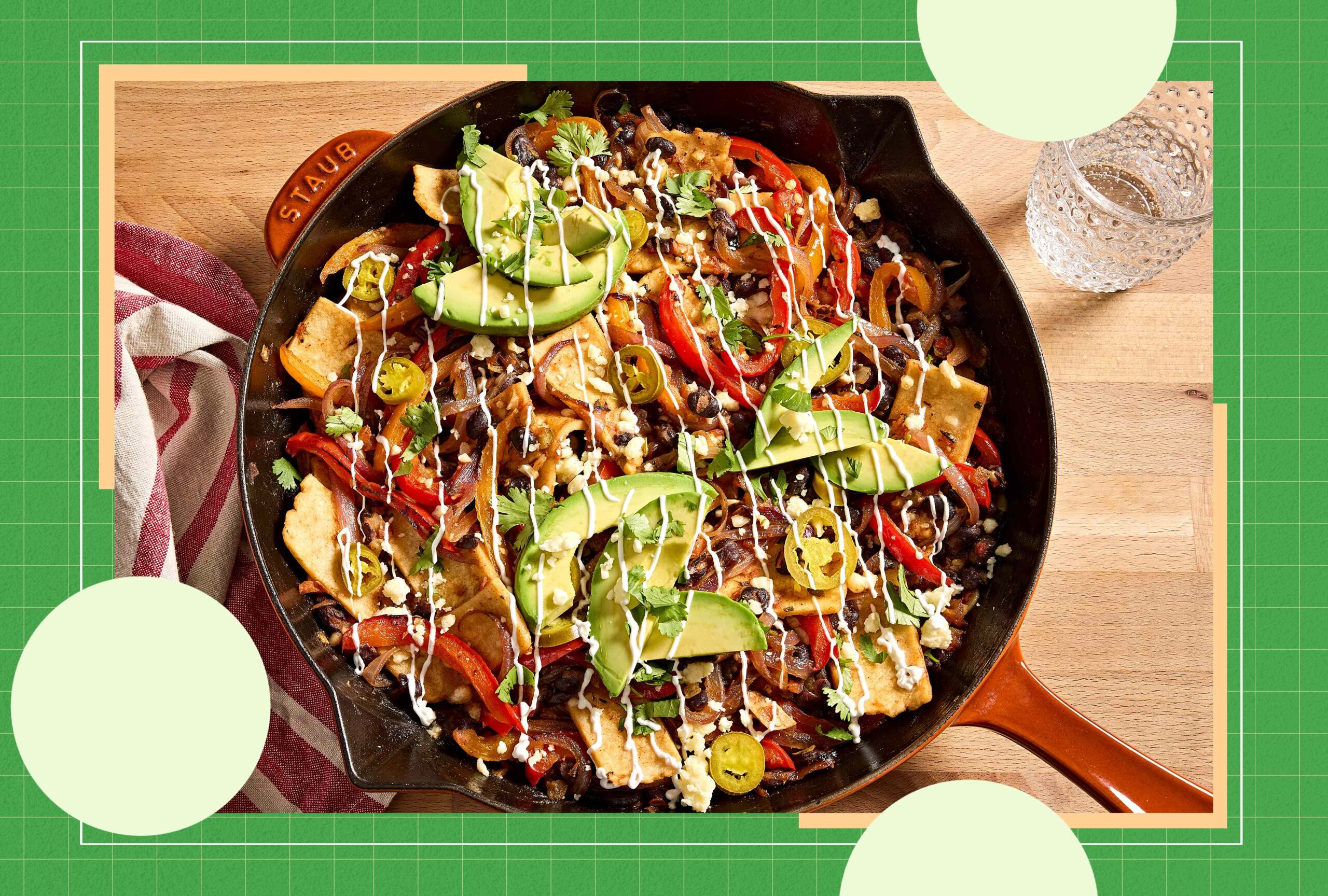

This simple pairing can help you get the most out of your iron.
Reviewed by Dietitian Madeline Peck, RDN, CDN
Key Points
- Pairing beans with vitamin C-rich foods significantly boosts iron absorption.
- Simple combos like beans with citrus or bell peppers make plant-based iron more bioavailable.
- Other sources of iron include sardines, tofu and fortified whole grains.
Iron is an essential nutrient involved in nearly every function in the body. It is a key component of hemoglobin, the protein in red blood cells that carries oxygen throughout the body. Iron also supports other crucial bodily processes, including muscle function and hormone production.
The body can’t make iron on its own, meaning you must get it from food and/or supplements. Dietary iron exists in two forms: heme and non-heme. Heme iron is found in animal-based foods like meat and seafood, while non-heme iron comes from plant-based sources such as beans, nuts, seeds and whole grains. Heme iron found in animal foods is generally more readily absorbed, but that doesn’t mean plant-based sources fall short; it often comes down to how they’re paired and prepared.
Beans are a rich source of non-heme iron, and pairing them with vitamin C-rich foods can enhance absorption, increasing the amount of iron available for your body to use. Read on to learn why this pairing works, plus easy ways to add it to your routine.
How Vitamin C Supports Iron Absorption
Beans are a nutrient-dense, plant-based protein that also provide important nutrients like iron, dietary fiber and B vitamins. However, they also contain naturally occurring compounds called phytates, which can reduce iron absorption. One simple way to help counteract this effect is by pairing beans with vitamin C-rich foods.
“Vitamin C is an antioxidant that can help bind with the non-heme iron before it reaches the gut, creating a soluble, absorbable form of iron. This new form of iron offers protection against those compounds, like phytates, naturally present in the beans, so your body can utilize more of the non-heme iron.” Natalie Rizzo, M.S., RDexplains.
Decades of research support this effect, showing that adding 25 to 100 milligrams of vitamin C with non-heme iron can increase absorption two- to three-fold. Toby Amidor, M.S., RD notes this is because nutrients like vitamin C and iron work synergistically to enhance uptake in the body.
A 2025 study found that when plant-based iron supplements were paired with vitamin C, participants with iron deficiency anemia experienced greater improvements in hemoglobin levels compared to those taking plant-based iron alone. Interestingly, both groups also reported better energy and quality of life when taking these supplements, further supporting the role of plant-based iron sources in helping maintain healthy iron status.
Sources of Vitamin C to Pair With Beans
- Keep citrus fruits on hand to squeeze on beans. Sharon Palmer, MSFS, RDN encourages clients to squeeze lemon over their beans right before eating to increase iron absorption.
- Add veggies high in vitamin C to your meals. Just a ½-cup of red bell peppers provides over 100% of the Daily Value (95 milligrams) for vitamin C, while broccoli and Brussels sprouts provide a little over 50% of the Daily Value (48 milligrams). Bell peppers pair well with beans in dishes like Fajitas or in salads. Brussels sprouts and broccoli pair well as a side to bean skillets or as part of a nourishing grain bowl.
- Add beans and tomatoes to your omelets. Beans are a great way to increase fiber and iron in morning meals like eggs. Tossing in tomatoes provides a source of vitamin C, plus plenty of color and flavor.
Other Sources of Iron
Beans are a nutritious, affordable source of iron that is readily available across the globe, but they’re not the only providers of dietary iron. Consider adding these other foods to your routine to increase iron intake.
- Fortified whole-grain cereals. Fortification adds important nutrients like iron and vitamin D to an accessible food like cereal. Consider pairing an orange with your bowl of breakfast cereal to enhance this combo further.
- Tofu. A ½-cup of extra-firm tofu packs a good source of iron. Pair it with spinach (or another dark leafy green) on a salad for an even more iron-rich meal, and enhance both with a citrus dressing.
- Lean red meat. Lean cuts of animal proteins can fit into a balanced diet while also providing a good source of iron. A 3-ounce serving of fat-trimmed beef provides 11% of the Daily Value for iron.
- Sardines. These tiny fish aren’t just good for those omega-3s and protein. They also provide as much iron as a piece of beef, with a 3-ounce portion offering 11% of the Daily Value.
- Raisins. Small but mighty, don’t discount this lunchbox staple fruit. A ¼-cup serving offers 6% of the Daily Value, making it a nice option to snack on with a fruit high in vitamin C, like kiwi.
Our Expert Take
Iron is an essential mineral involved in oxygen transport, cell health and hormone production. The body can’t make it on its own, meaning it’s essential to get in the diet. While there are two forms, heme iron, which comes from animal foods, and non-heme iron, which comes from plant-based foods, the heme form tends to be better absorbed. But dietitians agree with what the science has shown for years: pairing non-heme iron, like beans, with vitamin C sources can significantly increase its absorption. Don’t overthink the pairings; simply pop open a can of beans and pair it with a leafy green salad, bell peppers or a zesty citrus dressing. These small, accessible combinations can help make the plant-based iron found in beans easier to absorb.

Comments are closed.