

New Delhi:- India’s legendary shooter Jaspal Rana passed away on Friday. On June 1, while returning from Germany, 49-year-old Rana’s health deteriorated, after which he was admitted to a private hospital in Delhi. There a stent was inserted in his heart.
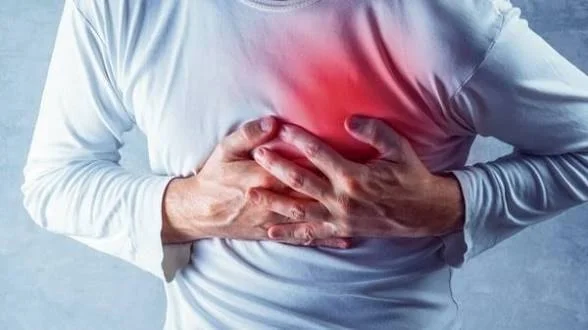
According to worldwide statistics, about 1.8 crore people die every year due to heart disease and heart attack remains the biggest cause of death. The human body gives early signs of heart attack, which are generally ignored.
These symptoms may include mild pain in the chest, fatigue, difficulty in breathing, etc., which are often dismissed as a daily problem. At the age of 40, there are no obvious warning symptoms before a sudden heart attack.
Heart pain or just acidity?
Initial symptoms usually include mild pain or pressure in the chest, extreme fatigue, shortness of breath, indigestion-like discomfort, and pain in the jaw that may spread to the neck or back. According to many patients who reached the emergency room, they ignored fatigue or dismissed the chest discomfort as gas.
Heart-related chest pain can cause a feeling of tightness and heaviness in the chest and can often spread to the arms, jaw, or back. Acidity usually occurs while eating and causes a burning sensation, but it is cured with digestive medicines.
Are symptoms different in women?
Symptoms may differ in men and women. While chest pain is the most common symptom in men, there are no obvious symptoms in women. In women, extreme tiredness, shortness of breath or difficulty breathing, dizziness, nausea, and pain in the upper back and jaw. These symptoms often go unrecognized. If women feel tired and have trouble breathing without any reason, they should not be ignored, even if they do not have severe chest pain.
Can these signals be missed in tests also?
Doctors believe that sometimes it may happen that the results of routine tests come negative. For example, the ECG should not show any problems with the heartbeat or rhythm and the blood test results should also be normal. In the early stages, there is a hidden risk that small blockages or unstable plaques on the surface of blood vessels may appear suddenly and cause an immediate heart attack, so do not ignore any symptoms or concerns regardless of the initial test results.
How accurate is monitoring with a smartwatch or at home?
These types of devices may be able to track your heart rate and detect certain irregularities in it, providing useful data about the condition of your heart that cannot be completely relied upon.
Why death even after stent insertion?
There can be many reasons for this, like the patient does not take the blood thinning medicines (anti-platelet) given by the doctor on time or a clot has formed on the stent, this can also lead to heart attack.
Along with this, it is also important to know that the stent opens only one or two blocked veins. If the blockage increases in any other vein of the heart, there is still a risk of heart attack.
In some patients, blood thinning medicines do not work properly, which increases the risk of clotting and increases the chances of heart attack.
If a stent is placed after a very severe heart attack and the heart muscle has already become very weak, resulting in reduced pumping, the heart may suddenly stop beating.
Post Views: 475
Comments are closed.