
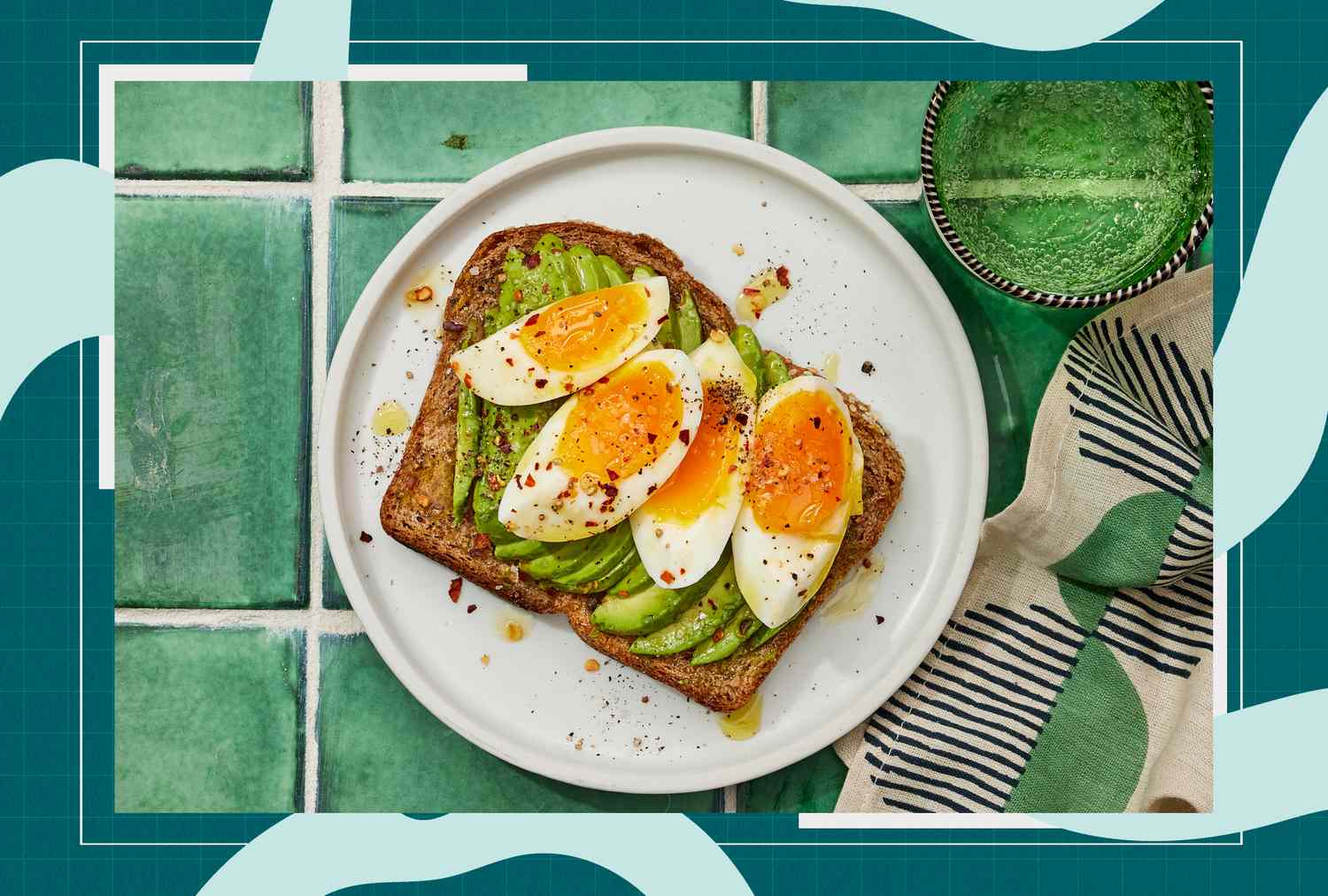

- A doctor says eating a breakfast with protein, fiber and healthy fat may help you live longer.
- This formula helps manage blood sugar, fights inflammation and protects against weight gain.
- For more benefits, add berries, veggies and probiotic-containing foods to your breakfast.
Breakfast sets the stage for your day ahead, which is why doctors recommend eating a healthy, satisfying morning meal. For longevity, cardiologist Lauren Dal Far, MDrecommends building your breakfast around three nutritional pillars: protein, healthy fat and fiber.
So, what does this look like? It starts with protein. “A protein-forward breakfast is one of the simplest ways to protect your metabolism and long-term health,” Dal Farra says. You can get that protein from eggs, strained (Greek-style) yogurt, beans, tofu, smoked salmon or even tuna fish or turkey. For healthy fats, we have olive oil, avocado, nuts, nut butter and seeds. And for fiber, focus on whole grains, fruits and veggies.
Whether you’re a breakfast eater or not, you can follow this advice no matter what time of day you have your first meal. If that sounds good to you, read on to learn why this approach is so great for longevity, plus other breakfast habits to keep you healthy, longer.
How Protein, Fat and Fiber at Breakfast Can Help You Live Longer
Protein and Healthy Fats Help Stabilize Blood Sugar
Going on a blood sugar roller coaster first thing in the morning doesn’t feel great—and it doesn’t do your body good in the long term either. “A cornerstone of longevity is stable blood sugar, which will protect your heart and brain health over time,” says Dal Farra., As she explains, repeated glucose spikes will push insulin levels higher, increasing inflammation and oxidative stress that can cause vascular damage and accelerate cellular aging.,
“Breakfast is a key meal that sets the tone for your blood sugar patterns throughout the day,” she says. That’s where protein and healthy fats come in. Both these nutrients are digested gradually, helping to slow the absorption of carbs from your meal and keeping blood sugar on an even keel throughout the morning.
It Can Help Protect Against Weight Gain
Protein, fat and fiber are a powerful hunger-quashing trio that work together to help you feel full, says Dal Farra.,, And feeling satiated and satisfied after a meal can help you maintain a healthy weight. Gaining weight with age, on the other hand, has been linked to faster biological aging in women—speeding up cellular aging by several years.
Fiber Supports Healthy Aging
White toast, granola bars, sweetened cereal, pancakes and waffles are go-to breakfast foods for many of us. Although all foods can have their place in a healthy eating pattern, a heavy intake of these kinds of refined carbohydrates (or “naked carbs,” as Dal Farra likes to call them) has been linked to a lower odds of healthy aging. On the other hand, research has shown that focusing on fiber-rich carbohydrates from foods like fruits, vegetables, legumes and whole grains is associated with a greater likelihood of healthy aging.
One of the easiest ways to work some fiber into your morning is with a bowl of oatmeal, overnight oats or unsweetened whole-grain cereal. But when you don’t have time for a sit-down breakfast at home, grab an apple, an orange or a pear to eat with your breakfast later. They’re high in fiber and easy to take on the go.
Healthy Fats Quash Inflammation
Fat may help keep you full. However, the type you choose matters—a lot. Research suggests that saturated fat, in foods like butter, cream cheese, pastries, sausage and bacon, may speed up cellular aging. On the flip side, monounsaturated and polyunsaturated fats may help slow down the aging process in our cells, possibly by reducing damaging inflammation and oxidative stress. You can get these healthy fats from avocados, olive oil, nuts, nut butter, seeds, smoked salmon and herring and even eggs.
Other Breakfast Habits for Longevity
If you’d like to squeeze more longevity-promoting foods into your morning, these simple tips can help:
- Eat breakfast in the first place: One meta-analysis of more than 2 million people found that those who skipped breakfast were 17% more likely to develop cardiovascular disease, including coronary artery disease and stroke, than those who ate a morning meal regularly. So, try to eat something, even if it’s just a container of yogurt with a handful of nuts.
- Serve up a side of berries: Whether it’s strawberries, blueberries, raspberries or blackberries, people who eat berries are 21% less likely to die from any cause than people who don’t eat these fruits. Experts suspect this is due to berries’ ample antioxidant compounds called flavonoids. Berries are also a tasty way to score extra fiber.
- Add a source of probiotics: Foods that contain probiotics (live microbes), like yogurt and kefir, may help improve the microbial environment in your gut. This improved gut health may reduce inflammation, which is one reason why consuming these probiotic-rich foods may help slow biological aging.
- Eat a serving of vegetables: Getting your five-a-day really is important. This magic number is associated with a lower risk of death from any cause, especially cardiovascular disease, cancer and respiratory disease. However, if you really want to get granular, researchers say the best way to break it down is three daily servings of vegetables and two servings of fruit. Given that most of us eat three meals daily, aim to get one serving of veggies at breakfast, and you’ll be well on your way to shoring up your body’s natural disease-fighting defenses.
Our Expert Take
We asked a doctor to share the best breakfast habit for longevity, and she said it’s eating a balanced breakfast that contains a mix of protein, fiber and healthy fats. This trio of nutrients works in several ways to help you live longer, including stabilizing blood sugar, protecting against weight gain and reducing inflammation. What foods should you choose? Eggs, cottage cheese, strained (Greek-style) yogurt, tofu and beans make for nutritious protein sources, while good sources of fiber come from fruits, vegetables, whole grains and seeds. Finally, don’t forget to top it all off with a little healthy fat from avocados, nuts, nut butter, seeds or smoked fish. Together, these foods aren’t just a winning recipe for longevity. They taste great, too!

Comments are closed.