
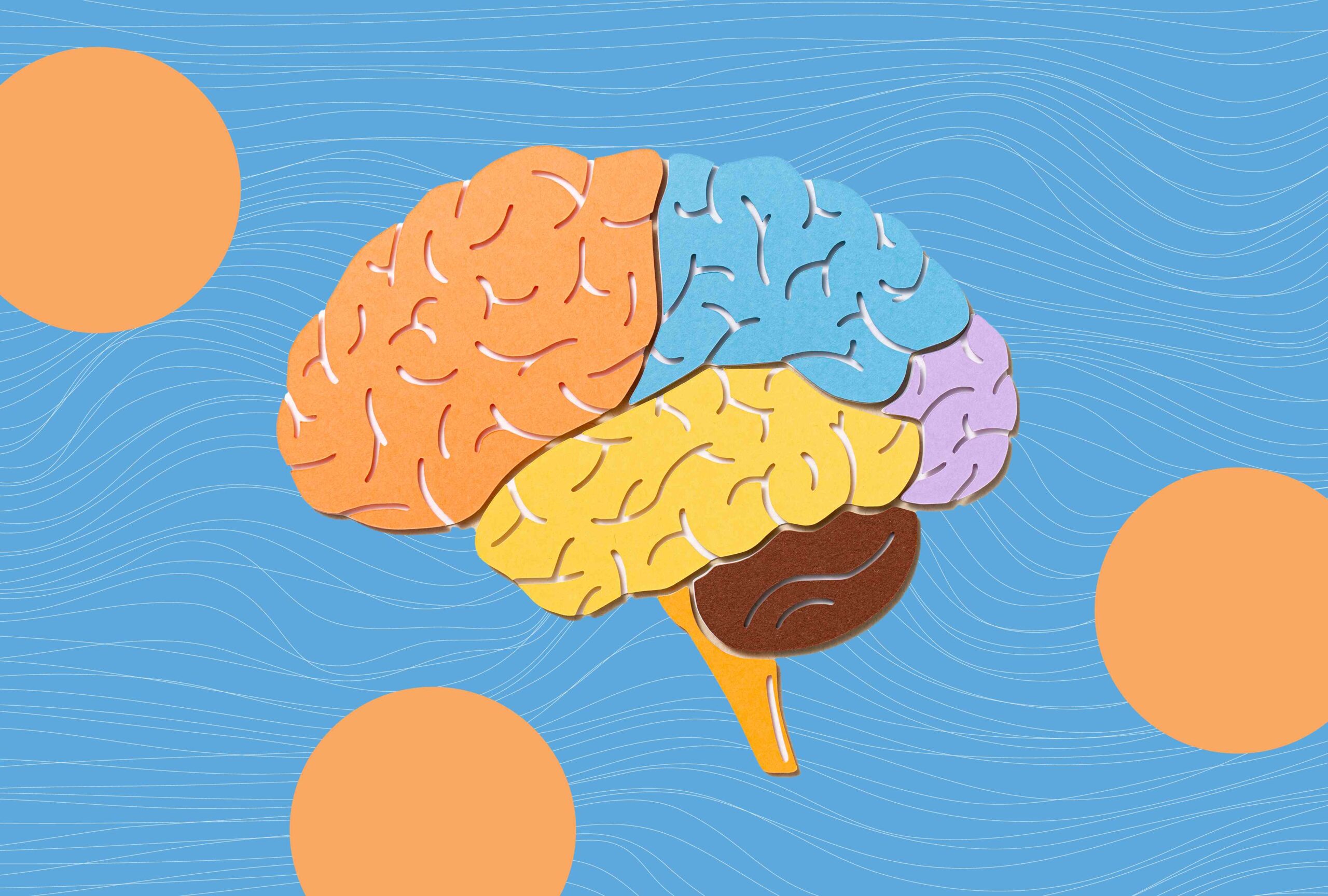

Learn why you should always keep this canned food stocked in your pantry.
Reviewed by Dietitian Jessica Ball, M.S., RD
Key Points
- Rich in fiber, protein, minerals and polyphenols, beans support multiple systems linked to brain health.
- Beans are a central part of the MIND diet which is associated with better cognitive aging and lower dementia risk.
- Keep canned beans stocked in your pantry for soups, salads, grain bowls, dips, breakfast and even dessert.
Canned beans may not be flashy, but they check nearly every box: cost-effective, shelf-stable, sustainable, nutrient-dense and endlessly customizable. For well under a dollar per serving, canned beans offer plant-based protein, fiber, folate, minerals and a range of bioactive plant compounds known as polyphenols. They’re one of the smartest staples you can stock—not just for planning what to eat tonight, but also for keeping your brain healthy in the future.
Why Beans Are so Great for Brain Health
Beans offer an impressive package of brain-supportive nutrients. Together, these nutrients help support vascular health, regulate blood sugar and nourish the gut microbiome—all key factors in maintaining cognitive function. Here are some of the reasons why this simple, budget-friendly food offers meaningful benefits for long-term brain health.
They Are a MIND Diet Staple
Beans are a core part of the MIND diet, an evidence-based eating pattern designed to support brain health and reduce the risk of Alzheimer’s disease. The MIND diet, short for the Mediterranean-DASH Intervention for Neurodegenerative Delay, emphasizes brain-protective foods like beans, leafy greens, berries, whole grains, nuts and olive oil.
“Beans are a substantial part of the MIND diet, where you’ll enjoy them at least four times a week,” says Maggie Moon, M.S., RD. “A simple way to think about it is to make beans part of meals every other day.”
In observational studies, people who most closely followed the MIND diet had a significantly lower dementia risk and better cognitive aging. Even moderate adherence was associated with brain health benefits. Swapping red meat for beans has been shown to benefit brain health. Harvard researchers found that replacing just one daily serving of processed meat with beans or nuts is linked to a 19% lower risk of dementia.
All types of beans—including black beans, pinto beans, chickpeas, lentils and soybeans—are included in the MIND diet, with one serving defined as ½ cup cooked beans. By eating beans more frequently, it’s an opportunity to eat less red and processed meats, which the MIND diet limits, says Moon.
They Offer Brain-Protective Nutrients
Beans are packed with folate and other B vitamins that play multiple roles in supporting brain health, including production of serotonin and dopamine—key brain chemicals responsible for mood, focus and cognitive function. They also regulate homocysteine levels, which are linked to cognitive decline when elevated. Low intake of B vitamins has also been linked to cognitive impairment.
Beyond the hard-working B vitamins, beans provide polyphenols. These are plant compounds that help protect brain cells from oxidative stress and chronic inflammation, both of which are linked to aging and neurodegeneration. Beans are also a good source of magnesium, a mineral involved in hundreds of biochemical reactions in the body, including those that regulate neurotransmitters and support communication between brain and nerve cells.
Their Fiber Supports the Gut–Brain Axis
Beans are one of the richest sources of dietary fiber in the American diet, delivering about 6 to 9 grams per serving. In the gut, fiber acts as fuel for beneficial bacteria, helping them thrive. As these microbes break down fiber, they produce compounds called short-chain fatty acids, which help reduce inflammation and support a more diverse, resilient microbiome, says Ravinder Nagpal, M.Sc., PhD.
Why does that matter for your brain? Researchers are increasingly focusing on the gut–brain axis—the constant communication network between your digestive system and your brain. A healthier gut microbiome has been linked to better mood, improved cognitive function and even a lower risk of neurodegenerative diseases.
They Promote Steady Blood Sugar
The brain relies on a steady supply of glucose to function. Refined carbohydrates like sweetened drinks, high-added-sugar snacks and white bread can spike blood sugar and insulin, followed by a crash. Over time, these swings can lead to increased risk of cognitive decline.
Beans, on the other hand, are considered a low-glycemic food, meaning they’re digested slowly and release glucose gradually into the bloodstream. Their combination of fiber, resistant starch and protein slows digestion and helps maintain more stable blood sugar levels, says Nagpal. Emerging research suggests that better glycemic control is associated with healthier cognitive aging and a lower risk of Alzheimer’s disease and other forms of dementia.
Ways to Eat More Canned Beans
Canned beans may be one of the oldest pantry staples, and they’re great for keeping on-hand for a variety of dishes. “Canned beans are one of the most versatile foods in my pantry,” says Liz Weiss, M.S., RD. “Beans can be creamy, hearty, crunchy or blended, so they easily adapt to different flavors and cooking styles.” Here are some ways to enjoy more canned beans.
- Simmer in a soup. Canned beans are ideally suited for soup—they require zero prep, hold their shape through a long simmer, and thicken the broth as they cook.
- Toss into salads. Canned beans add substance to green salads, grain salads and chopped vegetable salads, including the classic three bean salad.
- Stir into pasta. The pairing of beans and pasta is a plant-based way to make it more satisfying. Try cannellini beans stirred into pasta e fagioli, white beans tossed with sautéed greens and garlic or lentil bolognese. Pureed white beans can be blended into pasta sauce to create a creamy texture without heavy cream.
- Swap for meat. “Another benefit of canned beans is how easily they can stand in for more expensive animal proteins,” says Weiss. She recommends bean-based burrito bowls instead of steak or carnitas, black beans in tacos instead of ground beef (or half beans, half meat) and chickpeas in curries instead of chicken.
- Create a creamy dip. Make your own hummus with canned chickpeas. Or try cannellini, butter beans and great northern beans blended with garlic, lemon and olive oil to make a delicious and creamy dip. Serve with pita, crudités or spread on toast. Black beans are another good dip option , blended with lime juice, cumin, and garlic.
- Boost your breakfast. Add canned black beans or pinto beans to scrambled eggs, omelets or breakfast burritos along with avocado, cheese and salsa. You can also mash cannellini or butter beans on whole-wheat toast with olive oil and a squeeze of lemon. Top with sliced avocado or a poached egg.
Our Expert Take
Canned beans may be humble, but they deliver an impressive combination of nutrients and bioactive compounds that support brain health from multiple angles. Budget-friendly, sustainable and nutrient-dense, canned beans are a versatile staple worthy of a front-row spot in your pantry. While beans are a powerful addition to any brain-healthy diet, they work best as part of a broader lifestyle approach. An eating pattern like the MIND diet—rich in leafy greens, berries, whole grains, beans, nuts, fatty fish and olive oil—provides key nutrients that support cognitive function. Regular physical activity is one of the most well-researched strategies for brain health. Even a brisk 30-minute walk several times a week supports memory and improves blood flow to the brain. Quality sleep, managing stress, staying socially connected and engaging in mentally stimulating activities like reading, cooking or learning new skills can also help keep your brain sharp. Together, these habits work synergistically with a nutrient-dense diet to support long-term brain health.

Comments are closed.