
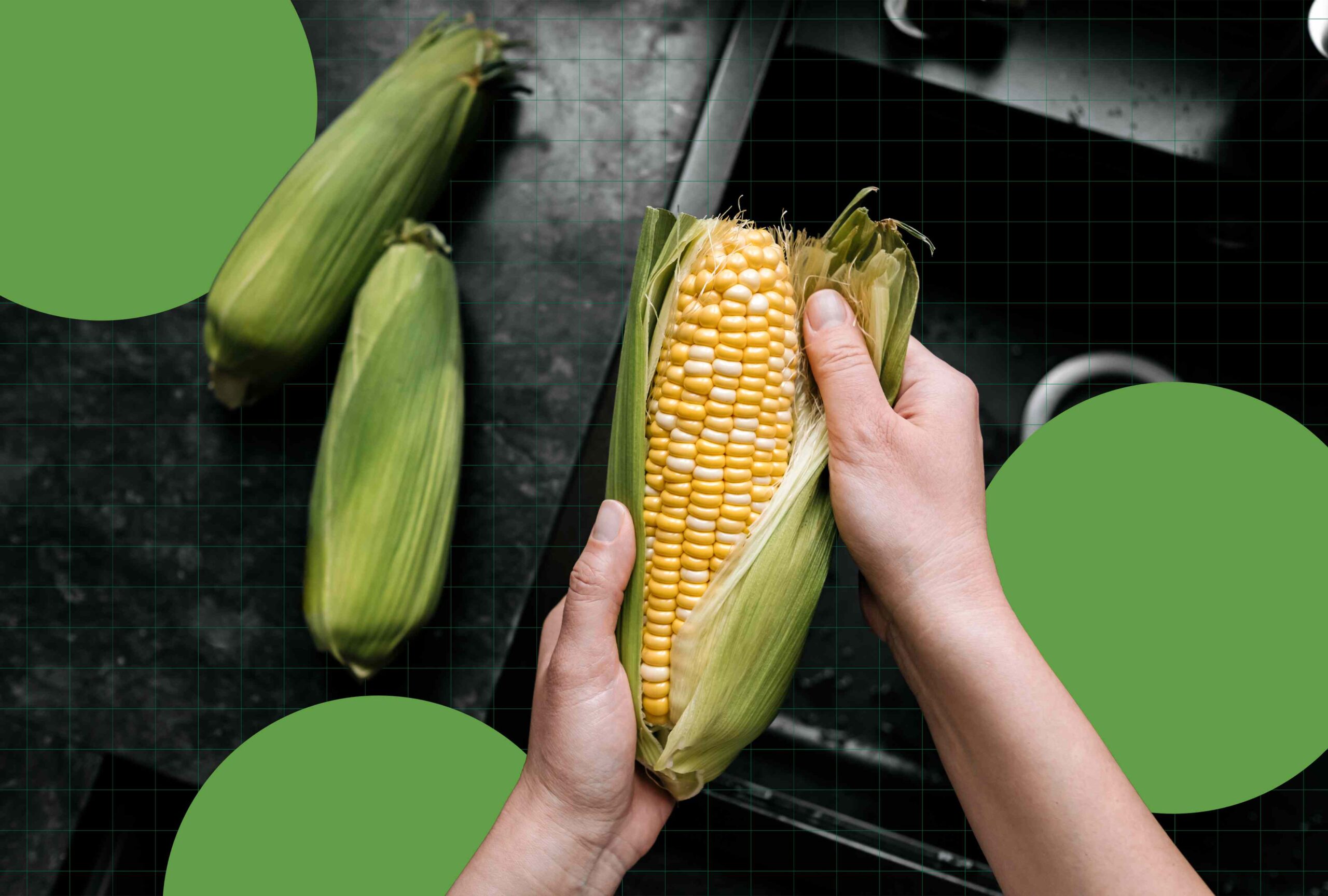

Microwaving corn in the husk first makes the actual shucking process quick and easy.
Key Points
- Steaming can make corn much easier to shuck.
- Chefs say the microwave helps the husk and silk slide off fast.
- A clean washcloth can help remove stubborn silk from raw corn.
Summer is prime time for most produce, especially fresh corn, one of summer’s greatest treats. Sweet, juicy corn is ideal for salads or sides or just eating straight off the cob at a backyard cookout. There is not much better than taking a bite of hot corn on the cob, that is, until you start pulling silk strands from your teeth.
There are countless methods for removing the silk from corn after peeling away the husk, but we wanted to learn how chefs recommend removing corn silk. With that in mind, we reached out to a handful of chefs from across the country to learn their corn shucking tips, and their recommendations were all quite consistent.
Chefs’ Preferred Way to Shuck Corn and Remove Silk
The strands of silk on corn are thin fibers that run the length of the ear. They’re attached around the base and individual kernels and poke out the ends in a big cluster. The strands are quite sticky, so simply pulling them off by hand can be time-consuming and ineffective. That’s why chefs prefer to first heat the ears before peeling. This creates steam inside the husk and loosens the silk.
“The steam produced inside the husk will make the removal of the silk much easier upon opening,” says Christopher Diehlchef instructor at Auguste Escoffier School of Culinary Arts. Once steamed, he notes, “the ear emerges almost clean as the silk stays with the husk.”
The most common recommendation for this initial steaming process is to simply microwave the corn whole.
“My favorite way to easily remove that pesky corn silk is to microwave corn,” says Molly Pisulaformer personal chef and owner of Vanilla Bean Cuisine. “I trim the top and bottom of an ear of corn, then pull off a layer or two of the husk. You want to still keep a couple of layers of husk around the corn. Pop it in the microwave for about 4 minutes, then let it rest for a minute or two after you take it out. Peel, and you’ll be shocked at how easily the silk comes off.” It takes just seconds.
Tips for Using the Microwave Trick
Depending on the size of your microwave, you may need to trim the corn. Consider trimming a little from the stem end, as you’ll need to cut this side before peeling or squeezing the corn from the husk.
Lynne Justconsumer test kitchen manager at Hamilton Beach Brands, recommends microwaving corn for about 2 minutes, then carefully trimming a bit off the stem end. “Hold the opposite end of the ear and squeeze as you slide the husk off. You still may have to pick off the occasional stragglers, but it works to remove the majority of the corn silks.”
For Kara Brownrecipe developer and founder of Bee Inspired, this method became her go-to. “The first time I tried it, I couldn’t believe how well it worked, and now it’s the only method I use.”
Other Ways to Shuck and Remove Silk
What if you don’t want to precook the corn? Deb Paquettechef and owner at Etch, with locations in Nashville and Franklin, Tennessee, and Etc. in Nashville, likes to use a very common household item.
“Washcloths are more than just a bathroom item, so raid your linen closet and keep one handy in the kitchen,” Paquette says. “One of the many handy uses of a washcloth in the kitchen is for cleaning the silk from ears of corn. After shucking your corn, do not wash off the corn silk. Instead, take a washcloth and rub up and down on the ear—the silk will easily remove its shiny self—then you can wash the ears. Shake the cloth out after cleaning a few ears if you have a lot of corn to shuck.”
Another simple method that doesn’t require precooking comes from Dorene Millschef at Hannaford Supermarkets. Simply pull apart the top silk and husks, grab a big handful of the silk and husk, and peel it back. To remove leftover silk, Mills recommends rinsing the ear under running water and rubbing off the silk with your hand or a clean towel.
Corn Prep Tips from the Chefs
To help you make the most of fresh summer corn, here are some additional chef tips.
- Use a Bundt pan when removing kernels. Brown recommends using a Bundt pan when cutting off kernels. Stand the ear upright in the center of the pan and slice downward so the kernels fall directly into the pan. This makes for easy cleanup.
- Scrape down the cobs. Mills recommends scraping down the cob once the kernels are removed to release the creamy, milky liquid, which you can add to corn dishes for more flavor. “You can do this either with a cooked or uncooked cob of corn, and you can easily sauté the kernels that are cut off of an uncooked cob.”
- Save the cobs for stock. If you trim off the kernels for a salad or chowder, don’t throw away the cobs. Diehl likes to make corn stock with roasted cobs. “This can be used as a chowder base or reduced down to a small amount of a very sweet reduction,” which is great for sauces.
- Store fresh corn in the husk. Corn will lose its natural sweetness once it’s harvested, but keeping it in the husk helps preserve the fresh, sweet flavor longer, Brown says.
The Bottom Line
One of the best methods for removing silk from an ear of corn actually uses a microwave. Chefs recommend trimming the ear so it fits in the microwave and nuking it for a couple minutes to loosen the silk from the kernels. Let it cool slightly, then trim off the stem end and squeeze off the husk and silk. You’ll have clean ears in seconds rather than spending time pulling strands of silk from between the kernels. If you don’t want to precook your corn, simply peel by hand and use a washcloth or running water to rub off excess silk.

Comments are closed.