

The emojis in the message, the type of writing will tell you what kind of person you are, see if it matches or not

What goes on inside people’s minds, is it known only by reading their written messages? People can write lies in messages if they want. Psychology says that the more important question than what is written in the message is how it is written. Do you write a lot in one message, or break up the words into message after message? What are the most favorite emojis? Answer quickly, or ‘sin’ and leave it for hours? Human characteristics can be understood from those. Much of our mental makeup is revealed in the way we write messages, says psychology.
At the end of the word pulled the beard!
Young people express their feelings by writing broken messages rather than saying a lot at once, say psychologists. One of the reasons is lack of patience. They get tired of reading long messages. Moreover, they are very unstable mentally. In such writings, they are almost never seen standing at the end of the sentence. And so, when someone puts a stop or a full stop at the end of a sentence in a message, it should be understood that the person is serious. Maybe ragchata. Speaks less, holds anger for a long time. easily injured. A full stop is not only a sentence but also a relationship.
At the end of the sentence often give three dots!
Three dots at the end of the sentence means, the sentence does not end there. His end is uncertain. When these three dots are given at the end of a character’s dialogue in a story, it may be that the character is lost in another thought in between the words. Or, not understanding what to say, stopped in the middle of words.
It turns out that people who use these three dots often suffer from uncertainty. Start talking and forget the context. It may also be that the mystery is somewhat deliberate to keep the other person interested in talking.
Can’t wait to reply?
Some people do not reply even after seeing the message. Some people sit down to type a reply as soon as they get the message. Psychologists say that restless or hypersensitive people usually reply quickly. Not only that, they will write more words than necessary. If the person on the other side is late in replying, he will first think if there is any confusion in his message. But we also respond quickly to people we enjoy talking to. Wish, for a long time to continue such gossip!
If angry, grammar means!
When people know that they are safe with the other person, that person will not catch their mistakes, then they can feel free to send messages without thinking about spelling or punctuation. Especially, when written in English, such messages are all in small letters. But when he gets angry or excited, wants to point the finger at the other person’s wrong eye, then suddenly starts messaging in ‘all caps’! Even uses correct spelling and punctuation. At the end of course using a beard or multiple question marks shows that his anger won’t go away easily!
What is not said in language
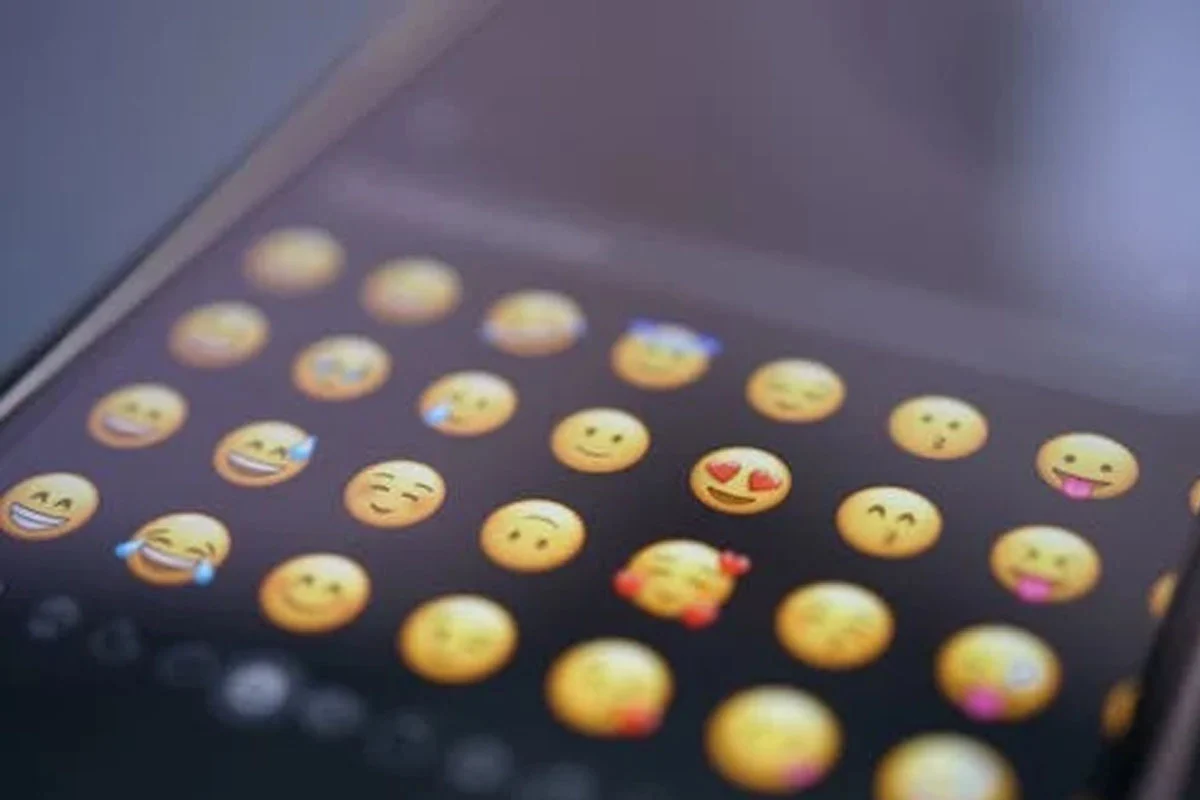
Instead of words, people use enter emojis between messages. Much of the work of words can be done with emojis. Whether it’s love or annoyance, or joyous celebrations — the younger generation uses the Bhuri Bhuri emoji to express everything. Many people lighten the burden of words with emojis. Maybe he has said something sensitive, it might make the other person angry. Emoji comes as a savior in such danger.
Technological advances cover large parts of modern life. Text messaging has become an integral part of people’s lives. However, psychologists say nothing can be taken for granted in this rapidly changing age. Perhaps, suddenly, a new means of communication was discovered. And so radically changed the dictionary of understanding the human mind!
Comments are closed.