
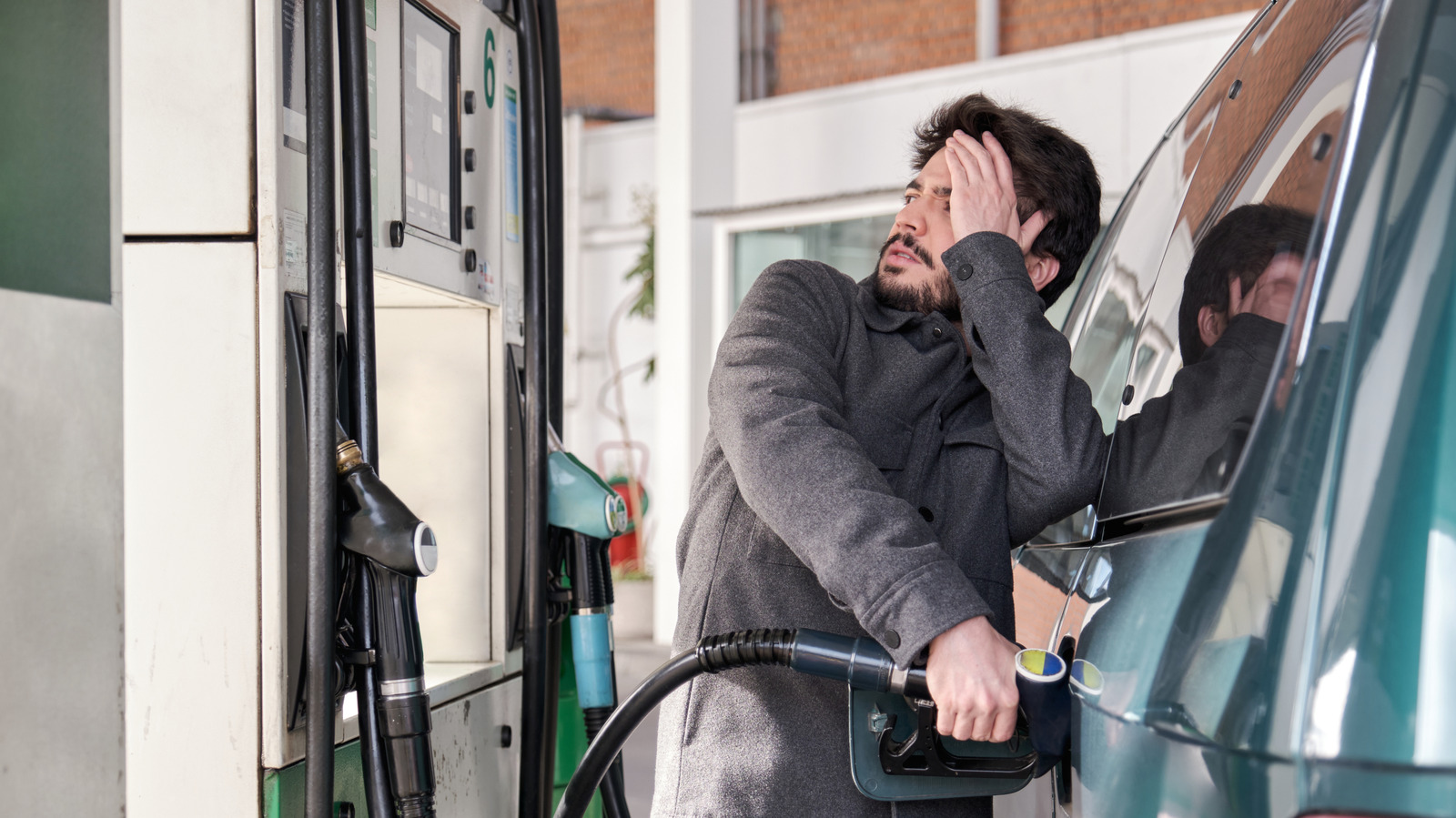

Assuming you aren’t currently hiding under a very large rock, you’ve likely noticed that gas prices spiked dramatically in early March. Pain at the pump can be attributed to the war in Iran, specifically the difficulty of getting ships through the Strait of Hormuz, through which 20% of all exported oil and natural gas typically passes. Until recently, gas prices were relatively low, averaging just below $3 a gallon in the U.S. At time of writing, the average price of a gallon is $3.79, but of course, you may pay more or less depending on where you live.
According to GasBuddythe cheapest gas can currently be found in Oklahoma, where residents will pay about $3.20, and residents of the Golden State are getting hit the hardest. Californians are paying more than $5.53 per gallon as of mid-March. One station in Los Angeles raised prices to more than $8 a gallon. Why is gas so much more expensive in California, especially when the state is home to several refineries? It all comes down to science — the formula of the gas, to be specific.
Fuel standards differ from state to state and often reflect local air quality needs. The federal Clean Air Act sets national standards but permits states to set their own specialized programs. In 1996, California’s Air Resources Board mandated that the state sell a unique blend to help reduce pollution. It’s cleaner than gas sold elsewhere, but more expensive to make because it requires more processing. Because California is the only state with this requirement, it can’t simply import gas from other states.
Other contributors to cost
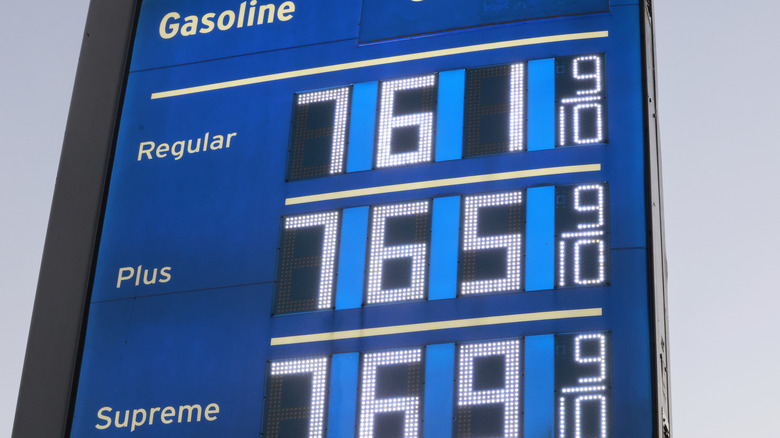
California’s strict fuel standards aren’t the only contributors to its high fuel costs. There’s also an age-old complaint: taxes. The state pays more in taxes per gallon than any other part of the country. A whopping $0.90 of each gallon is a combination of local, state, and federal taxes. In addition to high taxes, California’s tough environmental standards impact more than just the blend of the fuel. The Cap-and-Invest Program, previously called Cap-and-Trade, to reduce greenhouse gas emissions, and its Low Carbon Fuel Standard, which is designed to decrease the carbon intensity of fuel, both increase costs at the pump.
California is also considered a fuel island — an isolated market that refines most of its own fuel. There are no pipelines across the Rocky Mountains and only a few from the Gulf Coast. Additionally, there are few refineries outside the state that can meet California’s strict blend requirements. To further complicate the issue, the state is losing refineries at an alarming rate. The Phillips 66 Wilmington refinery closed in late 2025, and Valero Energy Corporation plans to close its refinery in Benicia this year.
In 2023, California passed a law that would allow it to cap refinery profits and penalize oil companies for price gouging, legislation that many hoped would help when prices skyrocketed. The law has never been used, however, and in 2025, the California Energy Commission delayed it for five years, worried that penalizing refineries could lead to more closures. Critics of the law maintain it doesn’t address the real issue — the state’s isolation — while proponents argue that the state remains dangerously exposed to global shakeups in the energy market.

Comments are closed.