
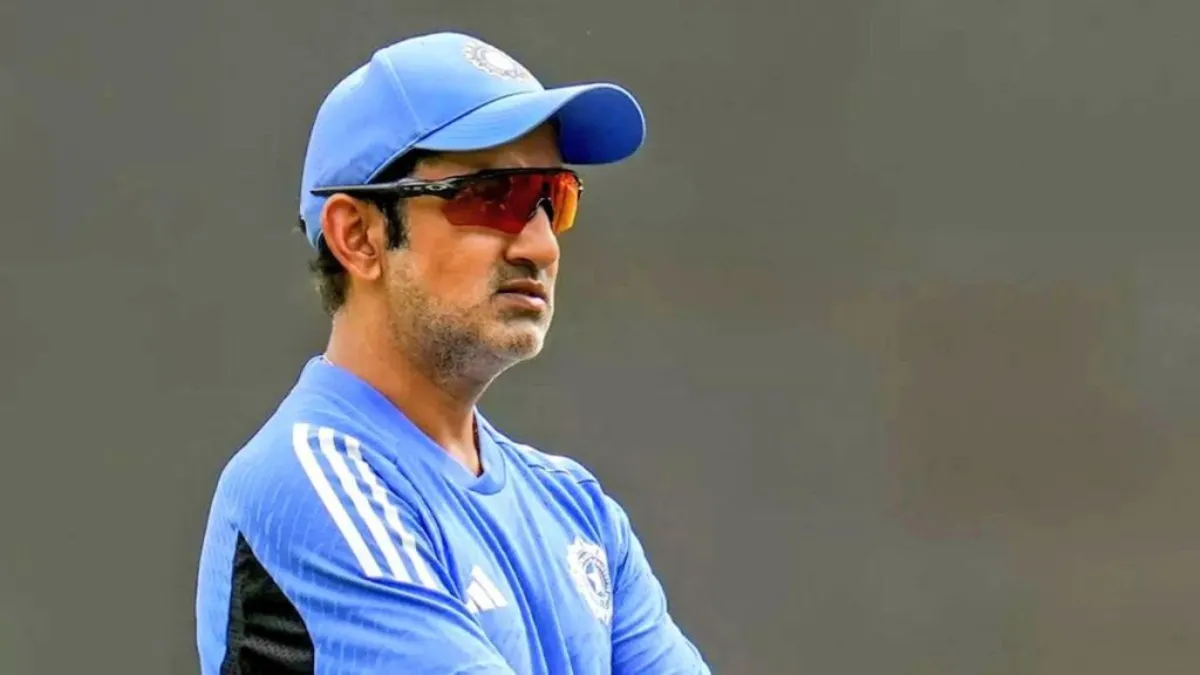

The tenure of Gautam Gambhir began in the wake of India’s ICC trophy drought, after the phenomenal victory in Barbados. When he took charge as India’s head coach in mid-2024, expectations were immense, and patience was limited. Results in red-ball cricket only intensified the scrutiny, especially after India’s remarkable 12-year unbeaten home run in Tests came to an end under his watch.
Also Read: MS Dhoni breaks Instagram silence to celebrate India’s historic T20 World Cup triumph
Yet on a warm night in Ahmedabad, as Gambhir lifted the ICC Men’s T20 World Cup 2026 trophy alongside captain Suryakumar Yadav, he achieved something no Indian head coach had done before, winning two major ICC titles.
After guiding India to the ICC Champions Trophy in 2025 and now the T20 World Cup in 2026, Gambhir has quietly built a legacy defined by fearless cricket and bold thinking.
Gautam Gambhir: A Polarizing figure in Indian cricket
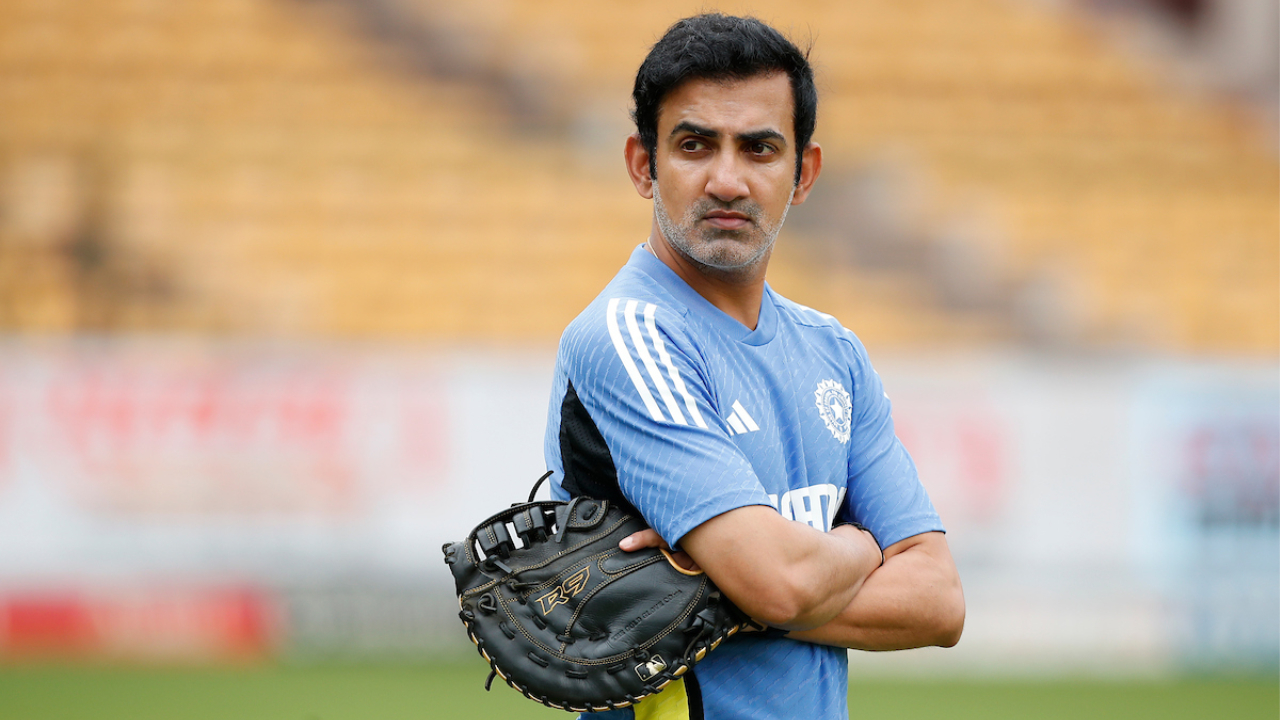
Even before becoming head coach, Gambhir was among the most polarizing personalities in Indian cricket. His blunt opinions and uncompromising style often divided fans.
During his coaching tenure, that perception only intensified. Reports of friction with senior players like Virat Kohli and Rohit Sharma made headlines, while India’s struggles in Test cricket invited further criticism.
But if red-ball cricket raised questions, T20 cricket delivered answers.
The fearless T20 revolution
When Rahul Dravid stepped down after the 2024 T20 World Cup, there was no obvious successor. Gambhir entered the conversation late, fresh from mentoring the Kolkata Knight Riders to a sensational triumph in the Indian Premier League 2024.
That campaign was statistically one of the most dominant title runs in IPL history. Gambhir carried the same aggressive philosophy from KKR’s purple to India’s blue.
Under him, India embraced a high-risk, high-reward approach in T20 cricket. Concerns over a transition phase after the retirements of Kohli and Rohit quickly disappeared as a new generation thrived.
A comparison between two World Cup semi-finals captures this shift perfectly.
In the 2022 tournament, India posted 168 against England, a total comfortably chased down without losing a wicket.
Four years later, in the 2026 semi-final against England, India smashed 253, the highest total in a T20 World Cup knockout match. Just days later, they raised the bar again with 255 in the final.
Gambhir’s tactical instincts have also quietly shaped India’s success. Before the Champions Trophy in 2025, he made the unexpected decision to promote Axar Patel to No. 5 in the ODI batting order while pushing KL Rahul to No. 6. The move allowed Axar to express himself freely while giving India a reliable finisher in Rahul.
Another bold call was the selection of mystery spinner Varun Chakravarthy in the ODI squad for Dubai’s spin-friendly conditions. Chakravarthy ended up as one of India’s leading wicket-takers as the team lifted the trophy.
Perhaps the most distinctive aspect of Gambhir’s leadership is his insistence that every contribution matters.
When India chased 196 against the West Indies cricket team in a crucial Super 8 clash, Sanju Samson stole the spotlight with a stunning 97 off 50 balls.
But Gambhir focused on another moment, Shivam Dube smashing two crucial boundaries in a pressure situation.
“For many years we’ve only spoken about certain contributions,” Gambhir said. “This is a team sport. For me, Shivam’s two boundaries are as important as Sanju’s 97.”
The coach who deflects credit
After India’s World Cup triumph, Gambhir summed up his philosophy simply. “A coach is as good as his players.”
It was typical Gambhir, deflecting praise and pushing the spotlight towards the dressing room.
Yet the numbers tell their own story. With two ICC trophies in two years, Gambhir now stands beside and perhaps above some of India’s most successful coaches such as Gary Kirsten, Rahul Dravid, Ravi Shastri and John Wright.
And if the journey continues the same way, another chapter could be written in 2027.

Comments are closed.