
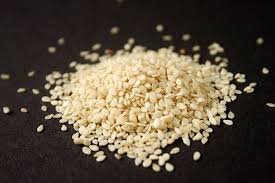

Maintaining health in winter can be challenging. In such a situation, small sesame seeds prove to be a boon for the body. According to nutritionists and health experts, the nutrients, vitamins and minerals present in sesame help in strengthening the body in winter and protecting it from many diseases.
10 major benefits of including sesame seeds in your diet in winter:
Makes bones strong: Sesame seeds are rich in calcium, which helps in keeping bones and teeth strong. Provides relief from pain or weakness in bones in winter.
Increases immunity: Sesame seeds contain elements like zinc and selenium, which strengthen the body’s immunity and protect against infections in winter.
Maintains heart health: Polyunsaturated fatty acids and antioxidants present in sesame seeds help in controlling cholesterol in the blood and keeping the heart healthy.
Beneficial for skin and hair: Sesame oil or sesame seeds provide moisture to the skin and strengthen the hair roots. The presence of Vitamin E makes it even more beneficial.
Improves digestion: Sesame seeds contain sufficient amount of fiber, which activates the digestive system and prevents problems like constipation.
Source of energy: Small sesame seeds are rich in calories and minerals, which provide energy to the body and reduce fatigue.
Strengthens muscles and nerves: Sesame seeds contain magnesium and proteins, which help in increasing muscle and nerve strength.
Helps in removing toxins from the body: Sesame seeds have antioxidant properties, which remove free radicals and toxins from the body.
Helpful in improving mood: The essential amino acids and magnesium present in sesame are beneficial for the brain, thereby reducing stress and mental fatigue.
Helps in controlling obesity: Consuming sesame seeds in balanced quantity in winter keeps the stomach full for a long time, which reduces hunger and keeps the weight under control.
How to consume sesame:
In winter, sesame seeds can be roasted and included in salad, porridge, paratha or halwa.
Sesame oil can be lightly roasted or added to vegetables in the form of drops.
Consuming 1–2 teaspoons of sesame seeds a day is sufficient and beneficial.
Expert advice:
Consuming sesame seeds in winter is beneficial for health, but consuming it in excessive quantity can increase calories. Therefore, include it in balanced quantity only.
Also read:
Now potatoes will not increase sugar, uric acid will also remain under control

Comments are closed.