
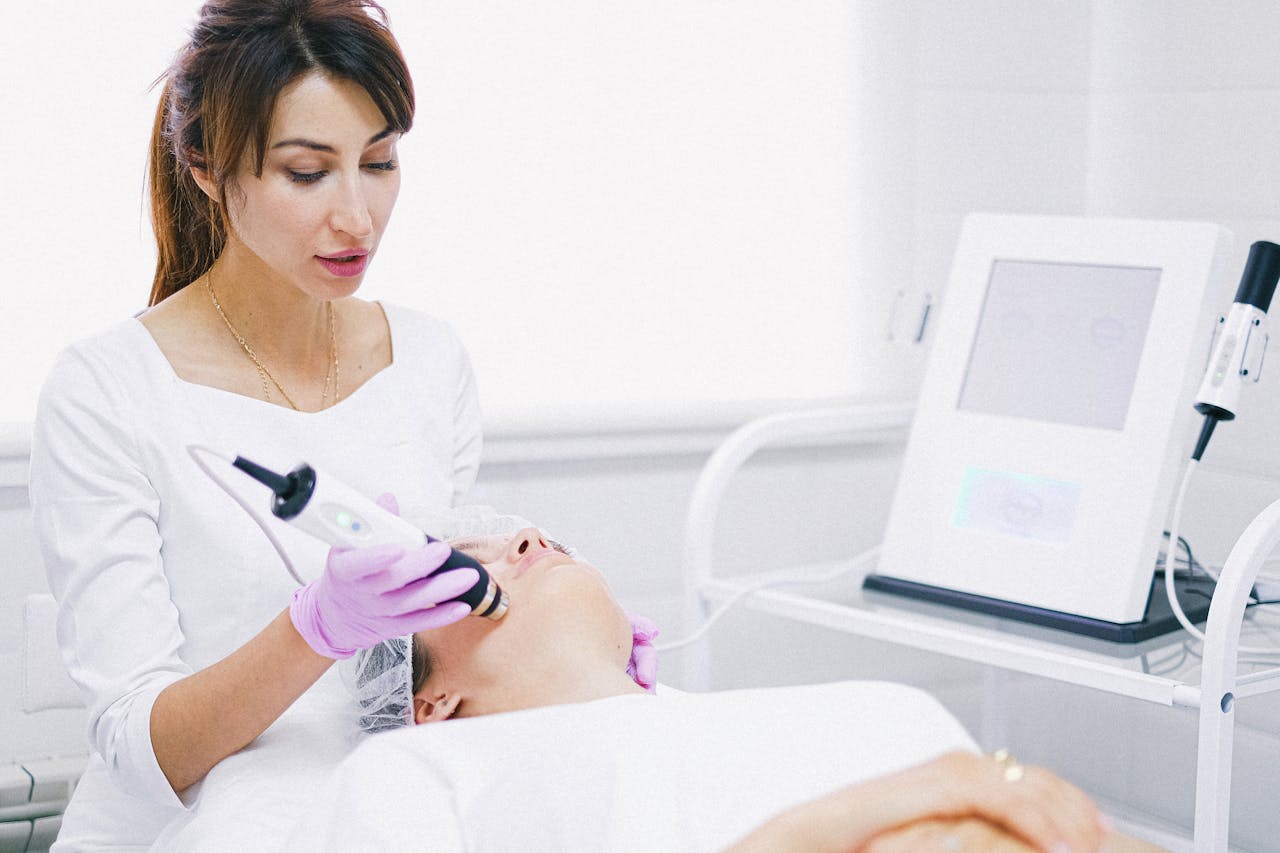


The medical spa industry in the United States has grown steadily over the past decade. Revenue across the sector now runs into the tens of billions annually, with no signs of slowing. Entrepreneurs, nurses, and aesthetic professionals have entered this space in large numbers, drawn by strong consumer demand for non-surgical cosmetic treatments. What many new owners do not anticipate is how tightly regulated the business actually is.
Medspas occupy a specific legal category. They offer procedures that cross from general wellness into clinical medical services, and that distinction carries real regulatory weight. For any clinic in this category, hiring a medical director for med spa operations is not optional. It is a condition of legal operation in most U.S. states.
Why Medspas Are Regulated as Medical Practices
A medspa is not the same as a day spa. Day spas offer massages, facials, and non-invasive relaxation services that do not require medical licensing. Medspas offer procedures like Botox injections, dermal fillers, laser skin resurfacing, body contouring, and chemical peels. These are classified as medical procedures in most states.
Because these services carry clinical risk, state medical boards require that they be performed or directly supervised by licensed medical professionals. A physician, nurse practitioner, or registered nurse may perform certain procedures, but the clinic must have a licensed physician serving as medical director and taking formal responsibility for clinical protocols.
This regulatory structure exists to protect patients. Botox injections done incorrectly can cause nerve damage. Laser treatments applied without proper assessment can result in burns or scarring. The medical director requirement is the legal mechanism that holds someone accountable for those risks.
What a Medical Director Does at a Medspa
A medspa medical director is a licensed physician who takes on formal clinical leadership for the practice. The role varies by state, but it generally covers several functions.
The medical director reviews and approves clinical protocols for each service the medspa offers. These protocols define how treatments are administered, what patient assessments are required beforehand, and how complications are handled. The physician also serves as the escalation point when a clinical situation exceeds the scope of the staff performing the treatment.
In addition to protocols, the medical director typically:
- Signs standing orders for injectable medications and prescription products
- Conducts or oversees periodic chart reviews
- Maintains availability for clinical consultation during operating hours
- Ensures that the clinic’s scope of services stays within the bounds of the signed agreement
- Keeps documentation current to satisfy state board requirements
The physician does not need to be present in the clinic every day. But the formal oversight relationship must be active and well-documented at all times.
The Business Cost of Operating Without One
Some medspa owners open without securing a medical director, either because they underestimated the requirement or because the process took longer than expected. This creates immediate legal exposure.
State medical boards have the authority to shut down clinics operating outside their regulations. An unlicensed practice can also face civil liability if a patient is harmed during a procedure that should have had physician oversight. Insurance carriers can deny claims if oversight documentation was not in place at the time of an incident.
Beyond enforcement risk, operating without a medical director limits what the clinic can offer. Many injectable and laser services simply cannot be advertised or performed without a supervising physician on record. That limits revenue from day one.
According to the American Med Spa Associationthe number of medspa locations in the U.S. has grown by double digits year over year. That growth has also brought increased regulatory scrutiny from state boards, particularly as complaints about unlicensed facilities have risen.
How Medspa Owners Find Qualified Physicians
Finding a physician to serve as medical director used to be a manual and time-consuming process. Many medspa owners reached out to local physicians directly, faced repeated rejections, and spent months in negotiations before finding someone willing to sign an agreement.
Several factors make the search difficult. Many physicians are unfamiliar with the medspa model and are cautious about assuming liability for aesthetic procedures outside their primary specialty. Others charge high monthly retainers that strain the budget of a new clinic.
Physician matching services have changed this process for many operators. These services maintain networks of pre-screened, state-licensed physicians who are open to medical director arrangements across a range of clinic types. A medspa owner can be matched with a qualified physician within 24 to 48 hours in many cases, without paying placement fees upfront.
This approach also gives owners more flexibility. Agreements can be structured without long-term lock-in, which matters when a clinic is still testing its service menu or adjusting its operating model.
What to Include in the Medical Director Agreement
A verbal understanding with a physician is not enough. The medical director agreement must be a written contract that satisfies state requirements. The specific content varies by state, but most agreements need to include several core elements.
The agreement should define the services the physician oversees, the review schedule for charts and protocols, and the process for updating the agreement when services change. It should also address what happens if the physician becomes unavailable, including notice periods and transition procedures.
The U.S. Food and Drug Administration regulates many of the injectables and devices used in medspas. A well-structured medical director agreement will reference compliance with those federal regulations in addition to state requirements.
Getting the Structure Right Before Opening Day
Medspa owners who address physician oversight before opening day operate with considerably less risk than those who handle it after the fact. The time spent securing a qualified medical director and executing a compliant agreement is time that protects every service the clinic offers from that point forward.
Investors and lenders also look at compliance infrastructure when evaluating medspa businesses. A clinic with clean documentation and an established physician relationship is a more attractive asset than one with gaps in its oversight history. Getting this right early has both operational and financial benefits that compound over time.

Comments are closed.