

Turner died on May 6 at the age of 87 after years of living with dementia. He had an estimated net worth of US$2.8 billion as of March 10, according to Forbes.
He had two children, Laura and Teddy, with his first wife, Judy Nye Turner, and three more, Beau, Rhett and Jennifer, with his second wife, Jane Smith Turner, Parade magazine reported.
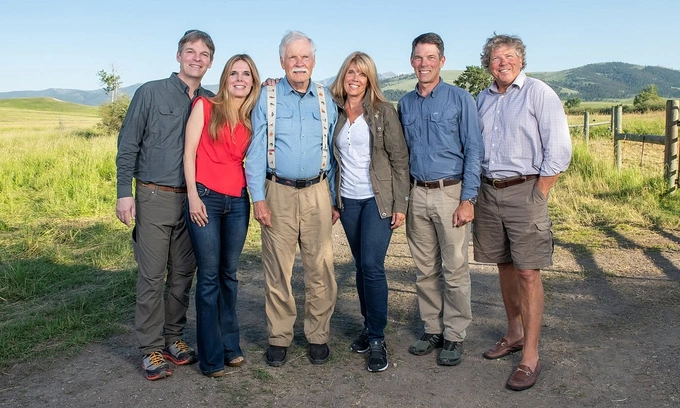
CNN founder, Ted Turner and his children, from left to right: Beau Turner, Jennie Turner Garlington, Laura Turner Seydel, Rhett Turner, and Teddy Turner. Photo from Facebook/Turner Foundation, Inc. |
Despite his high-profile career in the media industry, Turner raised his children away from public attention and focused on teaching them the importance of protecting the environment. He spent decades advocating for the conservation of natural resources and encouraged his children to take an active role in safeguarding the planet. His influence led many of them to pursue similar causes.
Today, Turner’s children play leading roles in his media empire and have launched conservation initiatives of their own.
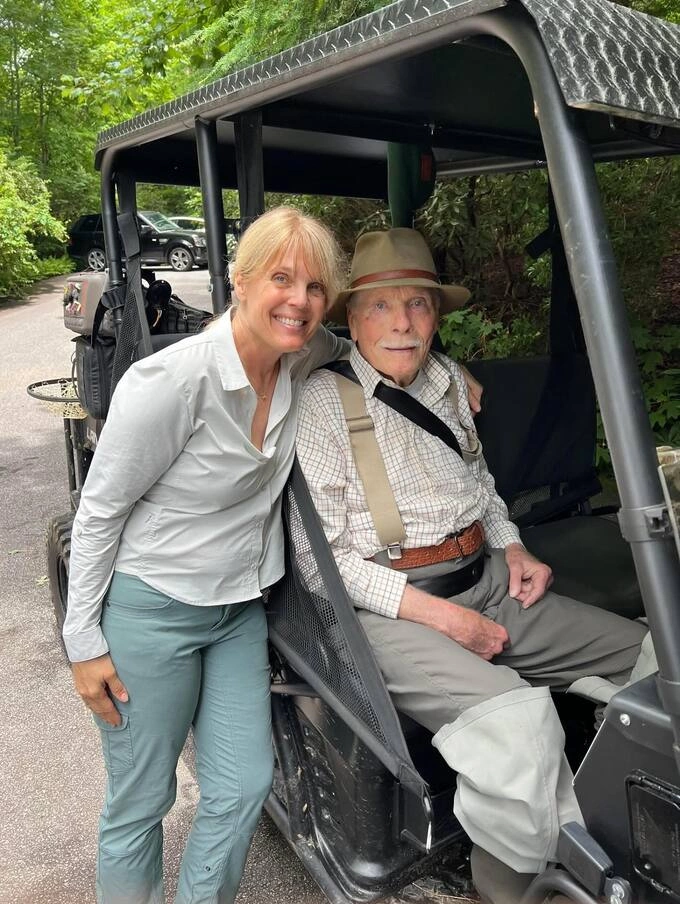 |
Laura Turner Seydel and her father Ted Turner. Photo from Instagram/@lauraturnerseydel |
Laura Turner Seydel
Laura, Turner’s eldest daughter, said her father expected his children to compost, weed the yard and pick up trash around the house from an early age.
“We learned from him that you take action. You don’t let other people do the work for you,” she told People in 2021.
After graduating from Oglethorpe University in 1986, Laura worked with Greenpeace, an international environmental advocacy organization.
In 1994, she founded Chattahoochee Riverkeeper to help protect and restore the river that runs through Atlanta City. In 2004, she launched Mothers & Others For Clean Air in response to growing concerns about air pollution and asthma rates in the city.
“My dad was seeing these big gaps and opportunities. He used his media platforms to educate others, to make them understand how amazing nature is,” Laura said in an interview with Elysian magazine. “My dad showed me that by taking action, and putting your passion to work, you can actually solve problems.”
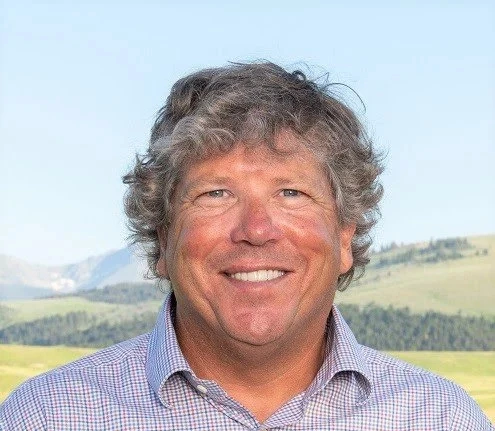 |
Robert Edward “Teddy” Turner IV. Photo from Turner Foundation’s website |
Robert Edward “Teddy” Turner IV
Teddy said his childhood was far more modest than many people assumed, adding that he grew up without a bicycle or a stereo despite his father’s wealth.
“My dad drove an economy car, a Datsun V210. On the day I finished college he gave me two weeks to get my things out of his house. He taught us independence,” The Sunday Times quoted him as saying.
After graduating college, Teddy worked as a cameraman and editor at CNN’s Moscow. After returning to the U.S., he pursued a career in sailing and founded a yacht repair and brokerage business in South Carolina.
In 2009, he transitioned into education, teaching economics, personal finance and government at Charleston Collegiate School while serving as the school’s sailing coach.
He now works at Turner Enterprises and has served on the board of several organizations.
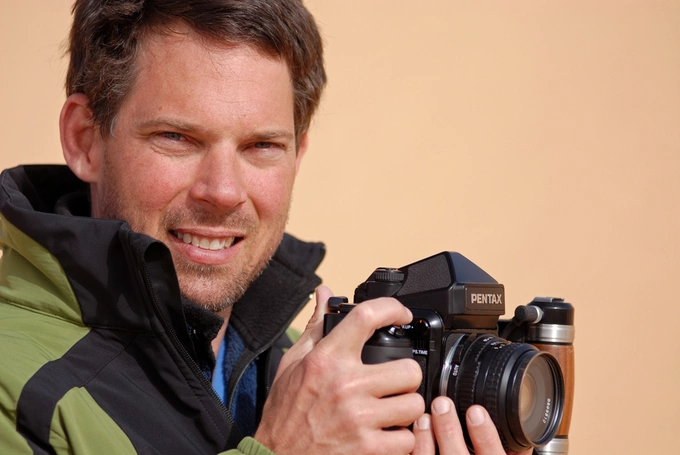 |
Rhett Turner. Photo from Turner Enterprises’ website |
Rhett Turner
Rhett said his father tasked him with maintenance and cleanup jobs around the family property during summer breaks. “My dad’s idea was do summer jobs, get your hands dirty and learn a good day of work for a good day of pay,” he said in an interview with PeachtreeTV.
After college, he worked as a video journalist, editor and sound technician on CNN’s international desk and later as an accountant executive in CNN’s Tokyo office. He later earned a degree in film and photographic arts and founded Red Sky Productions, a company specializing in documentary filmmaking, including environmental projects.
In 2022, he published a photography book featuring images taken on Turner family properties and highlighting wildlife conservation and land stewardship. He has said he was determined to complete the book while his father was still alive and able to see it.
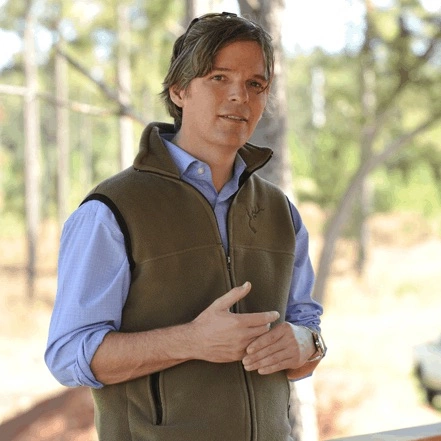 |
Reed Beauregard “Beau” Turner. Photo from Turner Endangered Species Fund’s website |
Reed Beauregard “Beau” Turner
Beau said he has had a job since age 14 and that his father regularly stressed the importance of contributing to society and having a strong work ethic.
“[My father] instilled a strong work ethic and awareness of philanthropy in me and my siblings at a very young age,” he said. “He often says you should give until it hurts, which he’s done consistently throughout his life,” he said.
Beau has held leadership positions at several wildlife conservation organizations, including the Turner Endangered Species Fund, Jane Smith Turner Foundation, the Captain Planet Foundation and the Peregrine Fund.
He also founded the Beau Turner Youth Conservation Center and produced television programs focused on environmental education.
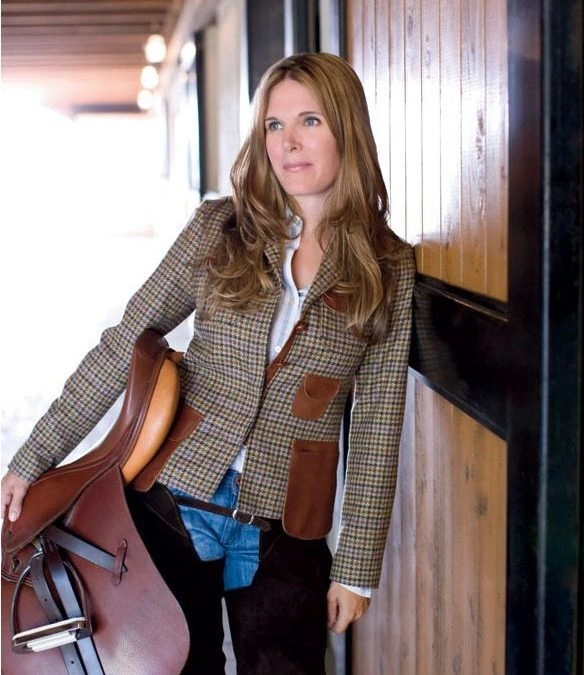 |
Jennie Turner Garlington. Photo from Turner Enterprises’ website |
Jennie Turner Garlington
Jennie said she grew up wearing reused clothes, sharing rides with neighborhood children and traveling in the family’s small car.
“Our parents were very involved in our childhood. Dad’s high profile just seemed kind of normal,” she said in an interview with Garden & Gun magazine.
“We fished, sailed, rode horseback, chased snakes, and got stung by bees and were outside all day until dinner. Dad kept it interesting,” she added.
When the children reached their teenage years, Turner moved the family to Hope Plantation, a wildlife estate near Jacksonboro, South Carolina, where he raised black bears and cougars.
Jennie became a trustee of the Turner Foundation in 1990 and later worked as an associate producer for CNN’s environmental program Earth Matters, covering conservation and wildlife issues.
She now serves as executive producer and host of the PBS series EcoSense for Living and has also held leadership roles with several environmental organizations, including the National Fish and Wildlife Foundation and the National Zoo.
Comments are closed.