
The real meaning of Damadam Mast Qalandar, the unheard story of 700 years old Qawwali.

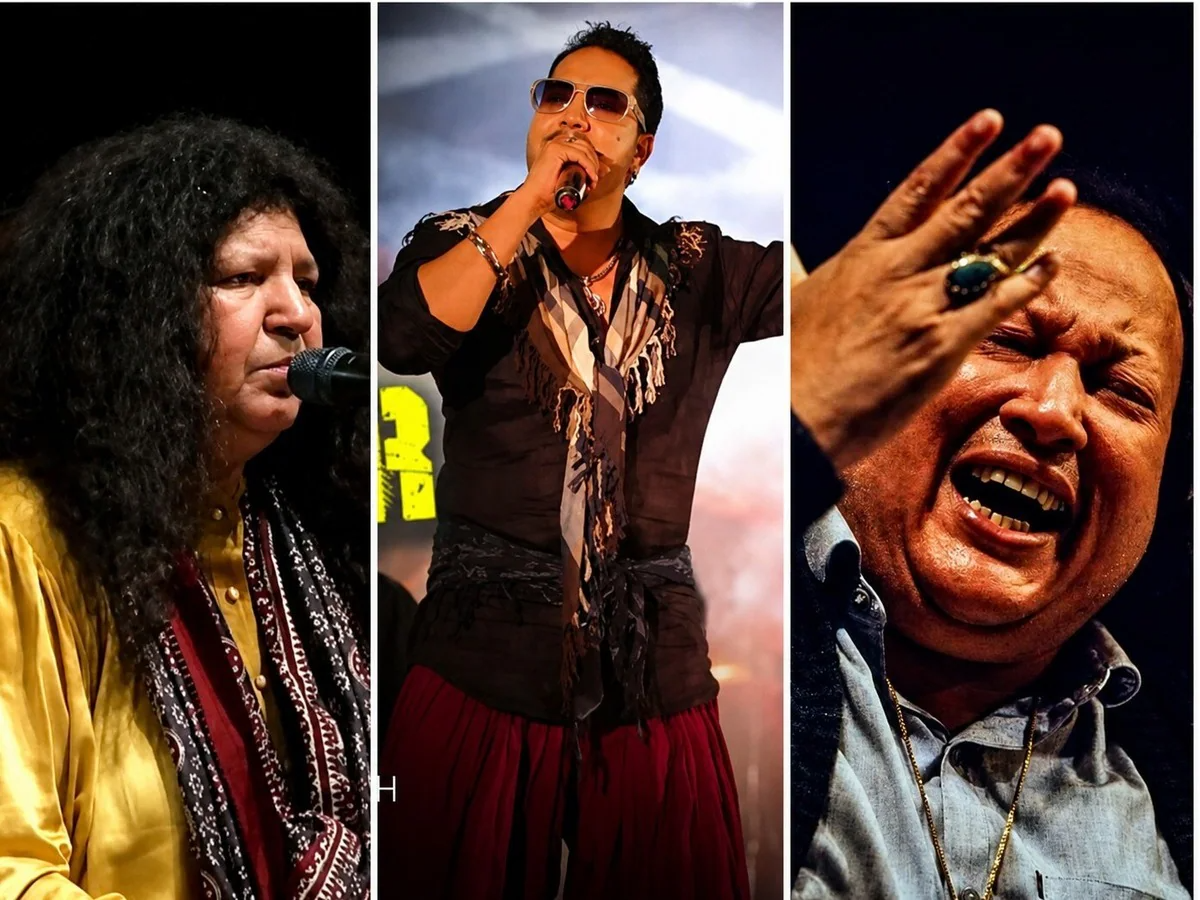
Yes dear, keep my wife, please swing my son…" This is such a tune, which fills the soul with Sufi peace as soon as it reaches the ears. Be it the spiritual voice of Abida Parveen, the classic style of Nusrat Fateh Ali Khan or the modern remix of Mika Singh, the magic of this Sindhi Kalam speaks to every generation. The lines of ‘Chaar Charag Tere Baran Hamesh’ are still trending on the internet and social media reels. But have you ever wondered what is the real meaning of ‘Damadam Mast Kalandar’, which breaks the boundaries of every religion and country and captivates people? And for whom has it been sung so passionately? Let us know the 700 year old very interesting story related to the soil of Sindh. Who was ‘Mast Qalandar’? The real story of this Qawwali starts about 700 years ago in the 13th century. The ‘Qalandar’ who is repeatedly mentioned in Qawwali was actually Hazrat Usman Marwandi, a great Sufi saint of the 13th century. The world knows him by the name of ‘Lal Shahbaz Qalandar’. Why is it called ‘red’?: Sufi saint Hazrat Usman Marwandi’s favorite color was red. He always wore a red robe and red cap, hence he was called ‘Red’. Meaning of ‘Shahbaz’: Shahbaz means ‘royal eagle’ (Falcon) in Persian. He received this title because of his sharp intelligence and spiritual flight. Meaning of ‘Kalandar’: Kalandar is said to be that great fakir or saint, who is beyond the worldly attachments and rules and regulations and remains engrossed only in the worship of God. Dargah: His Dargah is still situated in Sehwan Sharif of Sindh province of Pakistan, where every year lakhs of people (both Hindus and Muslims) come to pay obeisance. The unique confluence of ‘Jhulelal’ and ‘Ali’, the most beautiful thing about this Qawwali is its secular fabric. On one hand, it shows the glory of the worshipable god of Sindhi Hindus, ‘Jhulelal’ (who is considered an incarnation of the water god Varun and is also called ‘Lal’), while on the other hand, there is mention of Sufi saint Shahbaz Qalandar and the fourth Caliph of Islam, Hazrat Ali. ‘Damadam Mast Kalandar, Ali Dum Dum De Andar’ simply means that within every breath (Dum) resides that supreme power and Maula Ali, and dancing in that devotion is ‘Damadam Mast Kalandar’. Who wrote this timeless qawwali? According to historians and experts, this Qawwali was originally composed by the great Sufi poet Amir Khusro, who was the favorite disciple of Hazrat Nizamuddin Auliya. With time there were changes in it and later the famous Punjabi Sufi poet Baba Bulleh Shah also gave it a new expansion by adding lines like ‘Ali da pehla number’. Deep Meaning of Bhajans/Qawwali Lines It is very beautiful to understand the hidden meaning in the lines of Qawwali: ‘Sindari Da Sevan Da Sakhi Shah Baz Qalandar’: Dear Sakhi (Giver) Lal Shahbaz Qalandar of Sehwan city of Sindh, keep my Laj (Pat). ‘Chaar charag tere baran always, Panjwa main baran aayi bala jhule lalan’: Hey Jhulelal! There are four lamps always burning on your Dargah/doorstep (which are symbols of four directions or four great Sufi saints), but I have come to light the fifth lamp with my vow and devotion. This Qawwali is not just a song, but a symbol of the common culture (Ganga-Jamuni Tehzeeb) of that era where the walls of religion had no significance for music and devotion. This is the reason that even after 700 years, when this song is played, the human mind becomes truly happy.

Comments are closed.