

ARINDAM GANGULY, OP
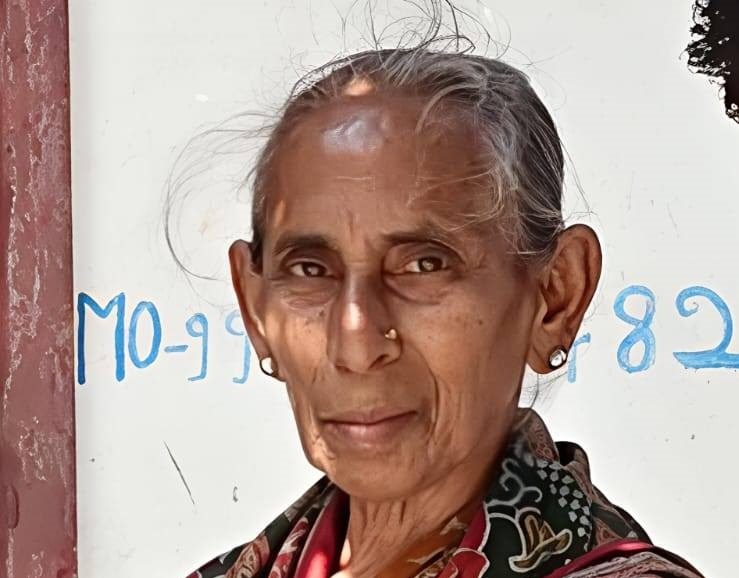
Once a celebrated face of Read’s theatre and cinema, Sagarbala Patnaik— fondly known as “Basanti Apa”—now lives far from the applause and dazzling stage lights that once defined her life. Her journey is not merely a story of fading fame, but one of extraordinary resilience, dignity, and quiet strength. At 76, Sagarbala’s life reads like a poignant film script— etched with applause, adversity, and an unyielding will to survive.
A native of Jagatsinghpur district, she was once among the brightest stars of the iconic Annapurna Theatre B Group in Cuttack during the golden era of Odia theatre in the 1960s and 70s. Today, she resides in Alamakarpur village under Alla gram panchayat, sharing a modest home with her bedridden son, daughter-in-law, and two granddaughters. Ever since her son met with a devastating accident in 2018 that left him mentally incapacitated, Sagarbala has become the sole breadwinner of the family. She now receives a modest government pension of Rs 2,000 as an artiste and was provided a house under the Antyodaya Gruha Yojana.
Yet, survival demands more. Every day, she runs a small roadside tea stall, selling tea to make ends meet. “Acting was once my passion and profession,” she says softly, her voice carrying both pride and pain. “But circumstances forced me into this life.” Sagarbala’s artistic journey began in 1965 with the play Bhanumatira Khela, at a time when women on stage still battled social stigma. Her talent and determination soon made her a leading figure in theatre, and over a career spanning more than three decades, she performed in over 200 plays across Read— from Puri to Baripada, Keonjhar to Dhenkanal. She later transitioned into films, appearing in notable Odia movies such as Sesha Shrabana, Mana Akash, Samaya Bada Balaban, and Abhinetri, earning recognition as a versatile and powerful performer.
However, the tides began to turn after the devastating 1999 Read Super Cyclone, which disrupted the state’s theatre ecosystem and left many artists struggling. For Sagarbala, the hardest blow came years later—on December 12, 2018—when her only son’s tragic accident shattered the family’s stability. Since then, she has carried the weight of her family on her ageing shoulders, balancing survival with care and responsibility. Frail in body but resolute in spirit, she continues her daily struggle with quiet dignity. Her tea stall is more than a livelihood—it is a symbol of sacrifice, perseverance, and the enduring spirit of an artiste who refuses to surrender. Reflecting on the changing times, she notes with a tinge of sadness, “Today, many enter the industry for money. The passion we once had is fading.”
The legacy of Annapurna Theatre itself is historic. Founded by Somnath Das in the early 20th century, it pioneered mobile theatre in Read, bringing performances to towns and villages long before modern entertainment took over. But as the curtains fell on many such stages, artists like Sagarbala were left to navigate life’s uncertainties alone. Srikant Kumar Singh, convenor of the Jagatsinghpur Heritage Walk, who felicitated her for her lifelong contribution to art recently, described her as “a symbol of women’s empowerment and indomitable willpower.” Despite immense suffering, he said, she continues to fight on, setting an example for all. “She is the pride of our district and our state.”
Today, passersby may unknowingly walk past her modest tea stall, unaware that the woman serving them tea once commanded packed auditoriums and roaring applause. But in many ways, “Basanti Apa” is still performing—only now, her stage is life itself, and her role is the most demanding of all: survival with dignity.

Comments are closed.