
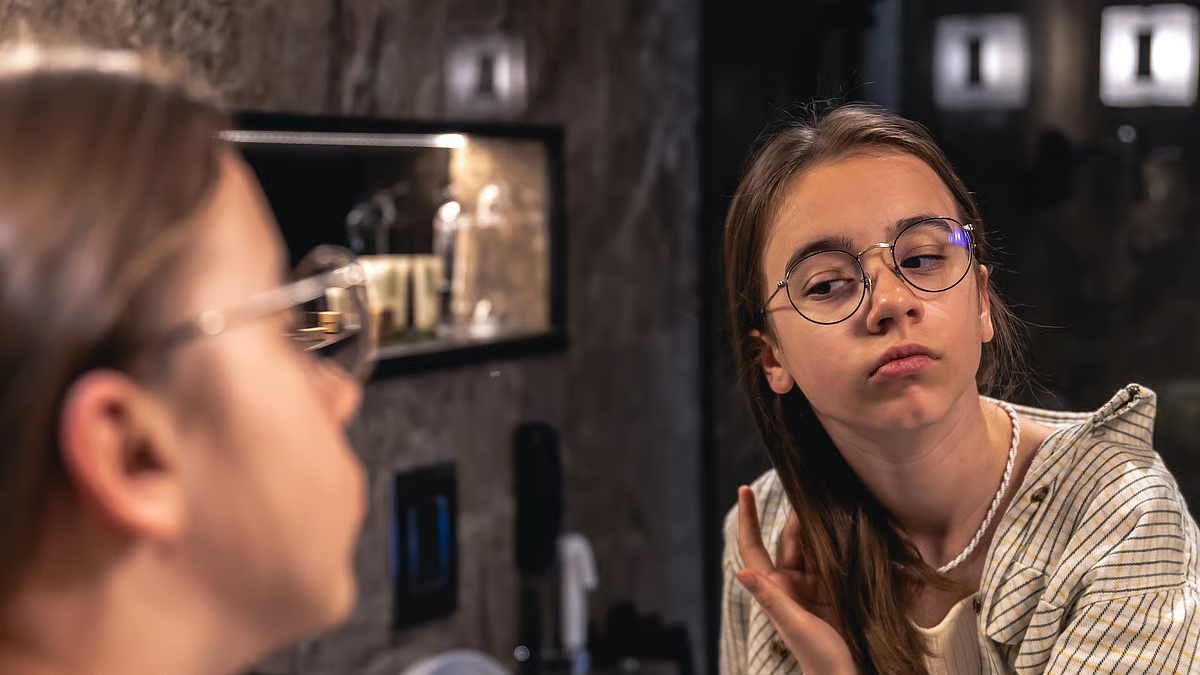

Remember the early 2000s? A beauty kit consisted of only a kohl stick, some lip balm and maybe some moisturiser. Skin care was much more basic back then, when you thought about just washing your face. Then social media happened. The constant drive for people to improve the way they look has created new levels of stress around beauty, also known as the ‘beauty anxiety.’
What is beauty anxiety?
The fear of not being attractive is known as beauty anxiety. According to professionals, this type of anxiety comes from social comparisons and false expectations. People are under pressure to change and improve their appearance on an everyday basis, and they’ll often feel that any damage to their appearance is greatly exaggerated.
Filters on social media and influencer culture have a significant impact on people’s feelings and anxieties. The pressure comes from images depicting an ideal standard of beauty through advertising and constant feedback from others. This anxiety can be experienced by individuals of any age and even by those who are generally secure about their appearance.
Any guesses on the biggest trigger?
The answer is simple: it’s the competition on social media.
When you look at perfectly presented personalities on social media, it can cause you to begin second-guessing on how you feel about yourself. All the filters can create a new definition of ‘normal’ for beauty. Experts believe that this is one of the main reasons that individuals have become so anxious about their appearance. Even small imperfections are heavily emphasized.
How does beauty anxiety affect your mental health?
Consistently worrying about how you look can have a detrimental effect on you. You may suffer want of self-esteem, stress, and feelings of worthlessness, but gradually these worries can become anxiety disorders or depression.
Common traits of obsessive behaviour include constantly looking into the mirror or using an excessive amount of products to beautify the body. Extremely obsessive behaviours can develop into a body dysmorphic disorder leading to fixation on imperfections.
When self-care turns into self-scrutiny
For many people self-care has become more about self-judgment. Self-care typically helps to increase confidence, through use of skincare, makeup or fitness regimens. However, due to the pressures of being ‘perfect’, it has may become stressful. Experts believe that beauty anxiety stems from the blurring of the lines between ‘self-care and self-scrutiny.’

Comments are closed.