
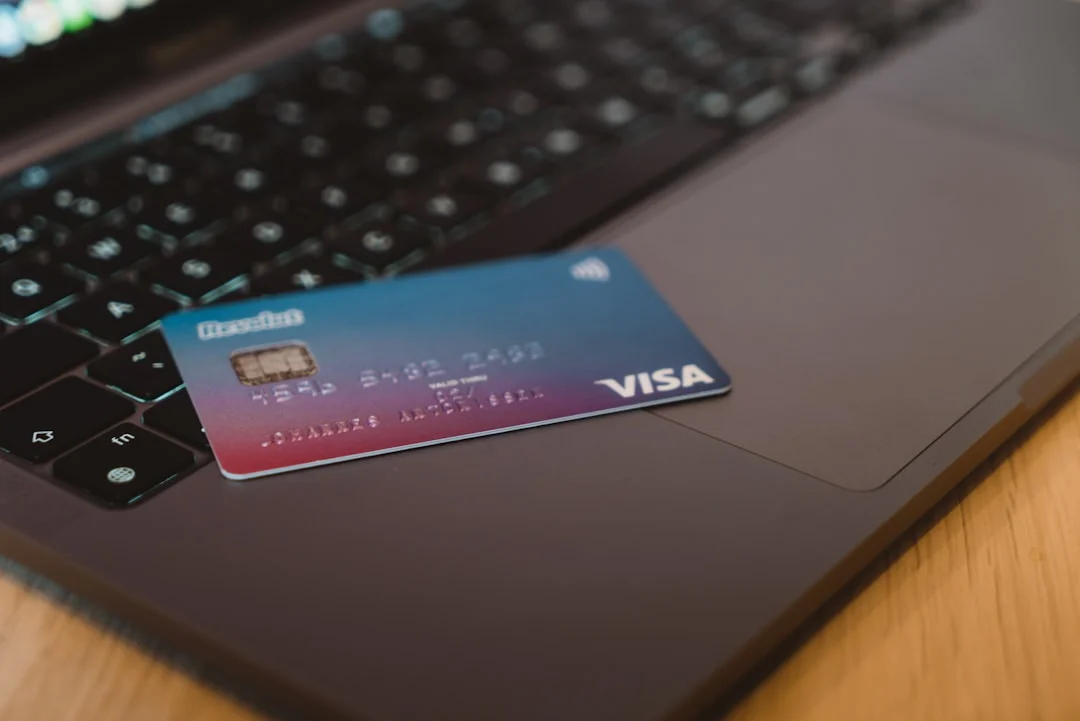

The way you pay for things looks quite different from how it did ten years ago. Cash is less common at the till, and cards, whether physical or digital, now handle most transactions that once required a trip to the ATM.
Credit Cards sit at the centre of this, and their role extends beyond simply making payments easier. They also influence how you access short-term credit, how you track your spending, and in some cases, plan your finances over the longer term.
Getting a free Credit Card is easier now than it was just a few years ago, and the option to apply for Credit Card facilities is open to a much wider group of people than before. This change in who holds Credit Cards reflects how central these products have become to everyday financial life.
How Credit Cards have changed everyday payment habits
The most visible change is at the point of purchase. What was once considered a convenience reserved for larger or planned purchases now covers the full range of personal spending.
Credit Cards, particularly those with contactless functionality, have made paying faster and less dependent on having cash to hand. Besides, many reputed financial institutions offer a free Credit Card that make it easier to start your credit journey without worrying about any associated cost.
This shift is most noticeable in everyday routines:
- A petrol stop or a grocery run no longer means planning around how much cash is in your wallet.
- Statement records update each month without any effort on your part, which you may find more useful than keeping your own notes.
- Online and subscription-based spending, which requires a card by default, has grown considerably, making Credit Card ownership increasingly necessary for you rather than optional.
What drives Credit Card adoption among consumers
Convenience is part of it, but the structure of Credit Card products also gives you a practical reason to choose the card over other payment options:
- Reward points and cashback on eligible purchases return a portion of what you spend, accumulating over time.
- The interest-free period available on most Credit Cards allows you to settle expenses later without additional charges, provided the balance is cleared within the billing cycle.
- For unplanned expenses, the card provides access to credit without requiring an immediate withdrawal from savings, particularly useful when expenses arise between income cycles.
How regular use shapes financial behaviour over time
Over a longer period, Credit Cards tend to influence how you manage your money in ways that go beyond individual payments-
- Each on-time payment adds a positive entry to your credit history, which lenders refer to when evaluating applications for Home Loans and other credit products.
- Monthly statements serve as a spending record, one that you may find clearer and easier to review than manually kept notes.
- Clearing the balance each month, rather than carrying it forward and incurring interest, reinforces a responsible use of credit, a practice that tends to develop through experience rather than being adopted all at once.
Conclusion
Credit Cards are no longer just a way to defer a payment. How you use them shapes your credit history and saving habits over time, and it affects the options available when something unplanned comes up.
Most of what a Credit Card offers only becomes apparent after a year or more of steady use, and it is usually at that point that you may start thinking about it differently.
Several products available when you apply for Credit Card carry no joining fee or annual charge, worth checking before you assume all cards come with a cost. A free Credit Card, in that sense, removes the main reason you had to delay the decision.

Comments are closed.