
The Venezuela earthquake aftermath: Could the disaster reshape the country’s political future?

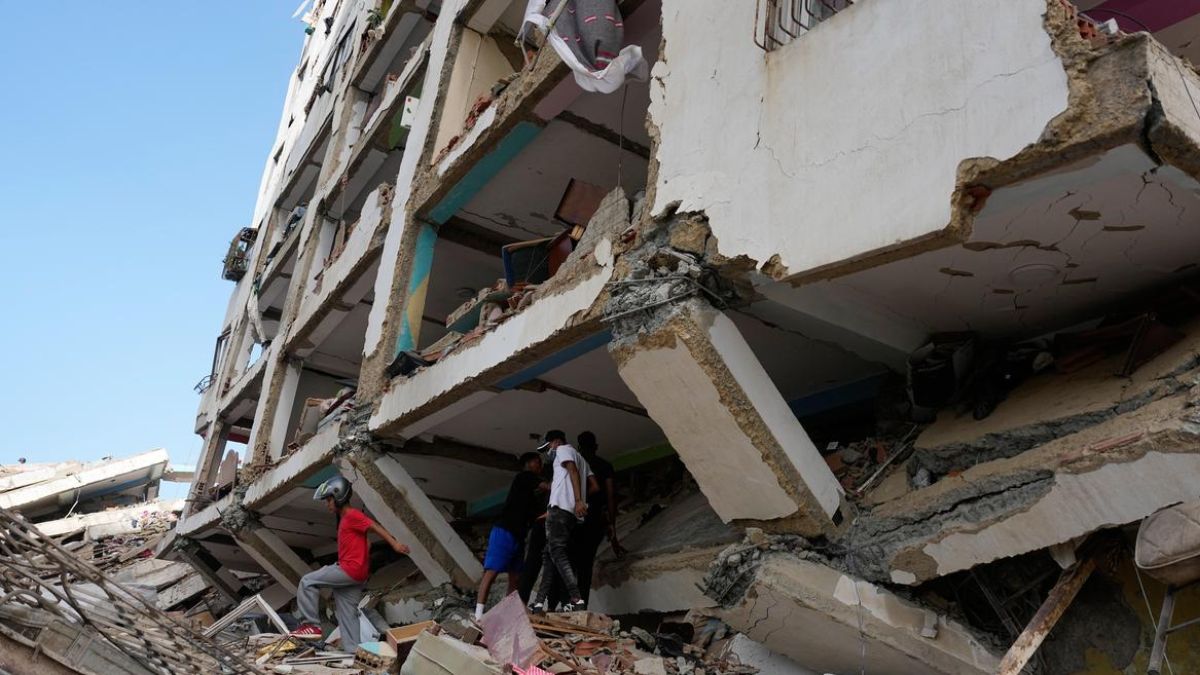
The images coming out of Venezuela have been heartbreaking. Entire apartment blocks have crumbled. Families have searched through piles of concrete with their bare hands. Rescue teams from around the world have joined local workers in a race against time to find survivors.
As the death toll continues to rise, the disaster is becoming more than a humanitarian emergency. It is also turning into a political test. The way leaders respond in the days and months ahead could shape public opinion long after the rubble has been cleared.
Venezuela earthquake aftermath puts government response under the spotlight
Large scale disasters often become defining moments for governments. People judge not only how quickly help arrives but also whether leaders communicate clearly, coordinate relief efforts, and provide support to those who have lost everything.
In Venezuela, that scrutiny began almost immediately.
Several residents in the hardest hit areas said they had to rescue relatives themselves because emergency teams did not reach them quickly enough. Some publicly accused authorities of reacting too slowly while videos shared online captured emotional confrontations between survivors and government officials visiting damaged neighborhoods.
Officials have defended their response by pointing to the scale of the disaster. Two powerful earthquakes struck within minutes, causing widespread destruction across multiple regions. They have also highlighted the arrival of international assistance, including rescue specialists, military aircraft carrying relief supplies, and humanitarian organizations working to provide food, shelter, medical care, and clean water.
Still, public perception often depends less on official statements than on personal experience. For thousands of survivors, those first few hours after the earthquakes may become the lasting memory that shapes their view of the government’s performance.
Venezuela political future could depend on rebuilding efforts
The emergency response is only the beginning. The far greater challenge will be rebuilding communities that have been devastated.
Millions of people may require temporary housing, healthcare, sanitation, financial support, and access to basic services. Roads, schools, hospitals, and public buildings will need repairs or complete reconstruction. That process could take years and demand resources that Venezuela was already struggling to provide before the earthquakes.
The country entered this disaster after more than a decade of economic hardship, declining public services, and political uncertainty. Those long standing problems have made recovery even more difficult because many institutions were already operating under severe pressure.
If reconstruction moves quickly and aid reaches affected families efficiently, it could strengthen confidence in the country’s leadership. But if delays, shortages, or political disputes dominate the recovery effort, public frustration may deepen at a time when many Venezuelans have already endured years of instability.
What comes next after Venezuela’s earthquake disaster?
History shows that major natural disasters sometimes become political turning points. They expose weaknesses that existed long before the event itself and force governments to make decisions under intense public scrutiny.
For Venezuela, the coming months will likely matter just as much as the days immediately after the earthquakes. Rescue operations will eventually end, but rebuilding homes, restoring infrastructure, and helping millions of displaced people return to normal life will be a much longer challenge.
Whether the earthquakes ultimately reshape Venezuela’s political future will depend less on the disaster itself and more on what follows. Recovery is now the country’s biggest test, and the choices made during that process may influence public trust for years to come.

Comments are closed.