

highlights
- low sugar hypoglycemia High blood sugar can prove to be even more deadly
- Blood glucose falling below 70 mg/dL is a danger sign.
- Low sugar condition can lead to sudden fainting, seizures and coma.
- Today’s sedentary lifestyle and irregular eating habits are the major reasons.
- Ayurveda and balanced diet low sugar hypoglycemia can be controlled
Second dangerous face of diabetes: low sugar hypoglycemia
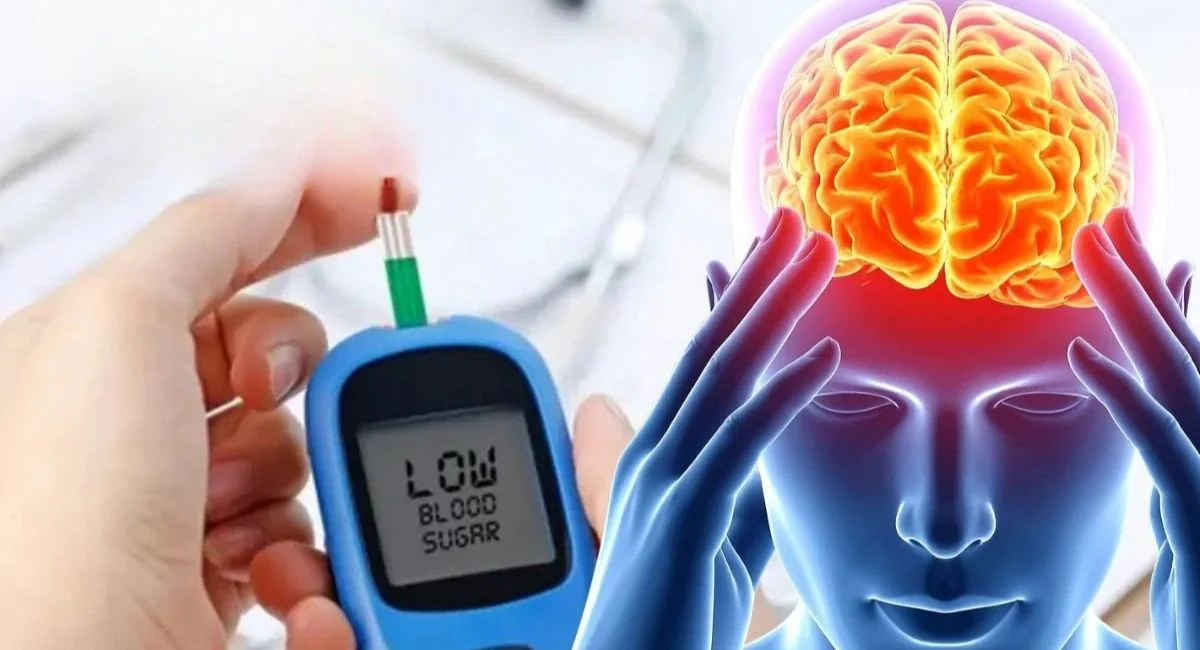
The common belief about diabetes is that high blood sugar is the biggest danger, but medical science and recent reports tell a different story. low sugar hypoglycemia A condition that comes on suddenly and can become life-threatening without warning.
When the glucose level in the blood falls excessively, the first effect is on the brain. Glucose is the main source of energy for the brain and its deficiency can directly impair brain functioning.
What is low sugar hypoglycemia?
low sugar hypoglycemia It is said when the blood glucose level goes below 70 mg/dL.
- Below 70 mg/dL – Warning
- 40–50 mg/dL – emergency situation
- Less than 40 mg/dL – life threatening
In this condition, sufficient energy does not reach the body parts and the risk of permanent damage to the brain increases.
Why is low sugar more dangerous than high sugar?
High sugar gradually damages the body, while low sugar hypoglycemia Attacks suddenly.
direct effect on the brain
In low sugar, the brain does not get glucose, due to which
- state of confusion
- stammering in speech
- sudden fainting
- epileptic seizures
- to the point of coma
Suddenly the situation becomes fatal
Often the patient is unaware of it and may become unconscious while sleeping, driving or being alone, due to which the risk of death increases manifold.
How is today’s lifestyle increasing the risk?
today’s modern lifestyle low sugar hypoglycemia Is promoting.
lack of physical activity
Less movement, sitting in front of the screen for hours and irregular sleep spoil the metabolism.
irregular eating and fasting
Staying hungry for a long time, fasting for quick weight loss and not eating on time causes blood sugar to drop rapidly.
Why is there greater risk in diabetic patients?
If diabetic patients
- take the wrong dose of insulin or medications
- don’t eat on time
- over-exercise
So low sugar hypoglycemia The risk increases manifold. Many times the patient ignores it considering it to be a minor weakness, which can prove costly.
It is important to recognize the early symptoms of low sugar
low sugar hypoglycemia If the signs are recognized in time, life can be saved.
common feature
- to sweat
- fast heartbeat
- Trembling of hands
- sudden weakness
- strong feeling of hunger
severe symptoms
- Dizziness
- blurred vision
- difficulty speaking
- fainting or seizures
Why is blood sugar control important?
Balance of glucose in blood is the key to a healthy life. according to experts:
- Below 70 mg/dL – be cautious
- 40–50 mg/dL – Contact doctor immediately
low sugar hypoglycemia To ignore it is to directly invite an emergency.
Solution for low sugar hypoglycemia in Ayurveda
In Ayurveda, special emphasis has been laid on keeping the body’s energy balanced.
Natural and easy solution
- mild liquorice decoction
- consumption of dates or raisins
- meals at short intervals
Vata Dosha and Energy Imbalance
According to Ayurveda, excessive fasting, stress and irregular eating habits increase ‘Vata’, which leads to low sugar hypoglycemia The risk increases.
How to maintain sugar balance with right diet?
Carbohydrate and protein balance
Carbohydrates provide instant energy to the body, while proteins maintain energy for a longer period of time.
What should we eat?
- Whole grains
- pulses
- Fruits (in limited quantity)
- milk and curd
This combination strengthens the brain and low sugar hypoglycemia Protects from.
Negligence can prove costly
low sugar hypoglycemia Not just a medical term, but a silent killer. This danger can be avoided to a great extent by timely detection, balanced lifestyle and right diet.
Diabetes is not just a disease of high sugar, but low sugar is an equally—or even more—deadly reality that can no longer be ignored.

Comments are closed.