
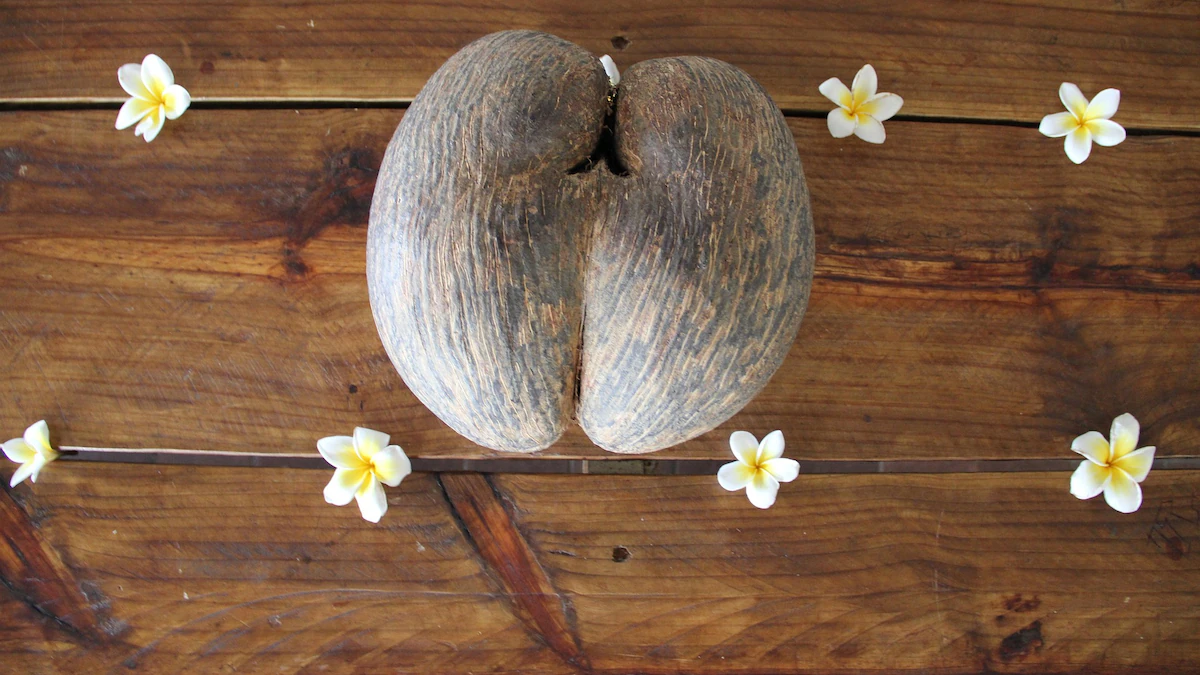

In a world where many fruits are harvested within months, some take patience to a completely different level. Think of bananas, papayas or even strawberries – they are quick, accessible, and widely consumed. But nature also has its slow wonders, fruits that take years, sometimes decades, to fully develop. Among them is one of the rarest and most fascinating in the world, found only in a remote island nation and surrounded by curiosity, myths, and strict protection laws. Unlike everyday fruits, this one is not commonly eaten and is better known for its unusual appearance and record-breaking growth cycle.
Also Read: Which Indian City Is Known As The ‘Cashew Capital Of The World’?
Coco de Mer – The Longest-Growing Fruit
Photo: Canva
The longest growing fruit is Coco de Mer. The Coco de Mer comes from a unique palm species native to Seychelles, specifically the islands of Praslin and Curieuse. What makes it extraordinary is the time it takes to mature – the fruit can take 6 to 7 years just to fully develop on the tree, and the seed inside may take even longer to germinate.
This makes Coco de Mer one of the slowest-maturing fruits known to science.
What Makes Coco de Mer So Unique?
Coco de Mer isn’t your typical fruit – in fact, it stands apart in several ways:
- It produces the largest seed in the plant kingdom, sometimes weighing up to 15–30 kg.
- The fruit itself is large, fibrous and takes years to ripen.
- The palm trees are slow-growing and can live for centuries.
- It has a very limited natural habitat, making it extremely rare.
Its unusual shape and rarity have also made it a subject of fascination and strict conservation.
Is Coco de Mer Edible?
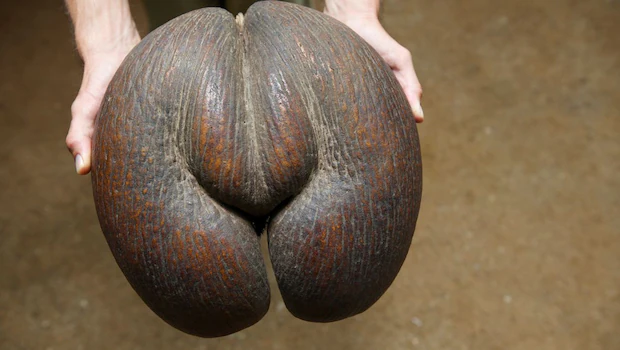
Photo: Canva
This is where things get interesting. While technically the fruit has edible components in its early stages (the jelly-like interior when immature), Coco de Mer is not widely consumed like regular fruits.
Here’s why:
- It is protected by law in Seychelles due to its rarity.
- Most fruits are not harvested for food but preserved for conservation.
- Mature seeds become extremely hard and are not suitable for eating.
So while it is a fruit in the botanical sense, it is not part of everyday food culture, unlike mangoes or coconuts.
Also Read: Which State Is Known As The Rice Capital Of India?
Other Fruits That Take A Long Time To Grow
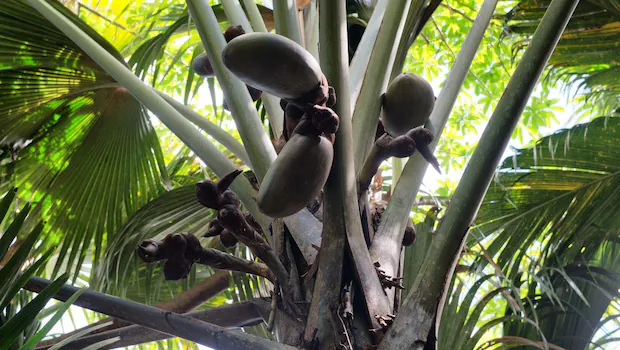
Photo: Canva
While Coco de Mer holds the crown for rarity and slow growth, some more familiar fruits also require patience:
- Coconut – Typically takes 6–10 years to start bearing fruit
Mango – Can take 5–8 years (or longer), depending on how it’s grown
- Avocado – May take 5–13 years if grown from seed
These fruits, while slow, are widely consumed and cultivated at scale.
The story of the Coco de Mer is less about everyday eating and more about nature’s extremes. It reminds us that not all fruits are meant for quick harvest or easy consumption. While you may never find it on your plate, it still holds a unique place in the world of food as the fruit that truly takes its time.

Comments are closed.