
“Therapies to be developed…”, Kokilaben Hospital experts discuss Preventive Disability in Multiple Sclerosis

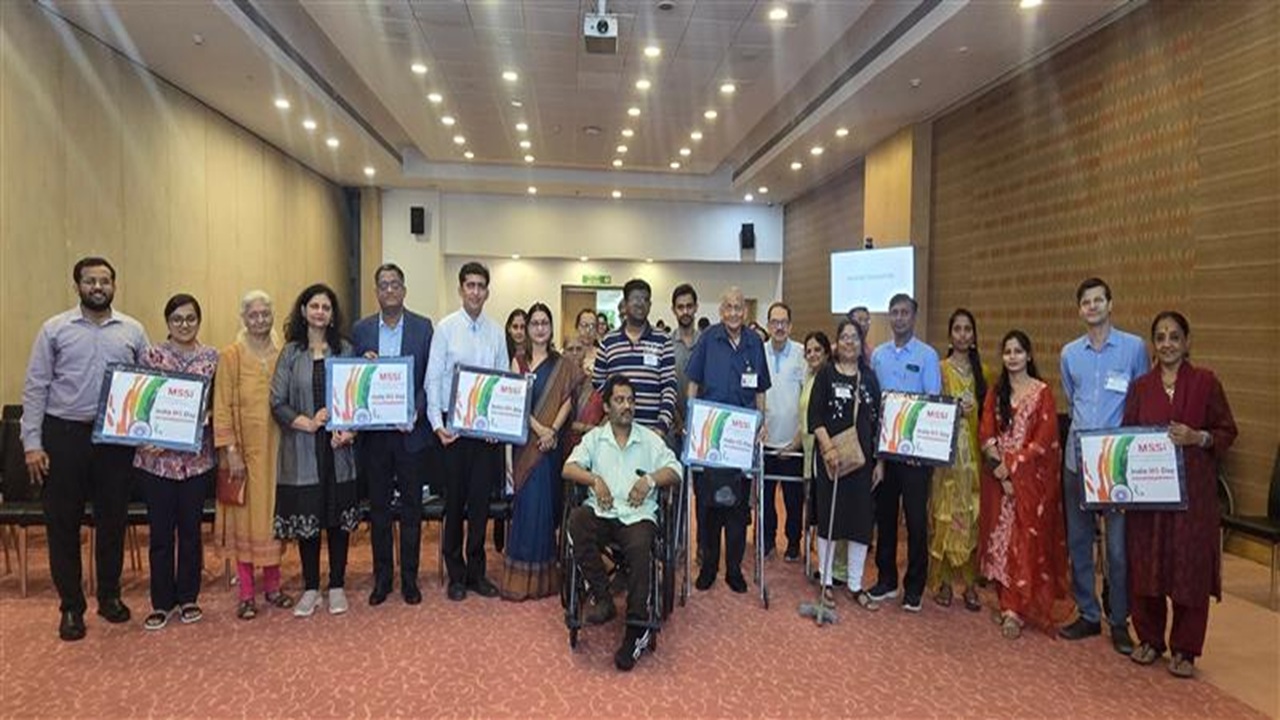
MUMBAI : Multiple Sclerosis Society of India (MSSI), Mumbai Chapter has collaborated with Kokilaben Dhirubhai Ambani Hospital (KDAH) to address the growing concern of preventable disability in Multiple Sclerosis (MS). from Mumbai A meeting of leading experts was called. During the meeting, a medical seminar titled “Conquering MS Disabilities” brought together neurologists, rehabilitation specialists and allied specialists to discuss the challenges of early diagnosis, evolving therapies and the importance of comprehensive care in MS.
Although multiple sclerosis (MS) has been recognized globally for more than the last century, it remains largely underdiagnosed in India. Experts emphasize that delays in diagnosis often lead to preventable and irreversible disability, which has a serious impact on long-term patient outcomes. Recent discussions have focused on aspects such as increasing early detection, strengthening referral pathways and ensuring timely, appropriate treatment interventions to positively impact the course of the disease.
Have delicious curd and rice for lunch in summer, the body will stay hydrated forever
Speakers emphasized that effective MS management requires a comprehensive and multidisciplinary approach that goes beyond neurology and includes neuro-rehabilitation, pain management and urology. Integrated care pathways play an important role in preserving mobility, independence and overall quality of life. Experts also said that advances in MS treatments are shaping the treatment landscape, and that early diagnosis and appropriate management can help many individuals maintain functionality and independence.
Speaking in this seminar, Kokilaben Dhirubai Ambani Hospital Neuroscience Director Dr. Mohit Bhatt said, “Multiple sclerosis manifests differently in each person, which is why a one-size-fits-all approach to care is no longer effective. We need continuous collaboration among specialists, early clinical suspicion and timely availability of appropriate treatments such as high-efficiency therapies and disease-modifying therapies. If managed proactively and holistically, many people living with MS today can lead active and productive lives with reduced long-term disability. Building strong referral pathways and increasing awareness among primary care physicians Equally important is that symptoms are recognized early and treatment is not delayed. As clinicians, our goal is to move from reactive management to proactive and personalized care that supports patients at every stage of the disease.”
MSSI Honorary National Secretary Sandeep Chitnis added, “In India, the challenge of multiple sclerosis is not only clinical but systemic as well. Delayed recognition, limited awareness and fragmented care pathways add to the burden on patients and families. Through initiatives like this seminar, we aim to raise awareness, encourage early referrals and advocate for integrated care models that put the person with MS at the center of every decision. Apart from treatment, individuals and caregivers can also help individuals and caregivers cope with the long and difficult lives of MS. Navigating an often uncertain journey requires consistent emotional, social, and community support. Creating an informed and empathetic ecosystem can play a meaningful role in improving access to care and overall quality of life.”
The seminar concluded with a shared commitment to raise awareness, encourage early symptom recognition and promote closer collaboration among all specialists to improve continuity of care. Timely diagnosis, informed conversations and structured multidisciplinary support can reduce preventable disability and help individuals with multiple sclerosis live fuller, more independent lives, experts reiterate.
What causes blood jaundice? Do not ignore ‘these’ symptoms in the body at all, otherwise death will occur at any moment

Comments are closed.