
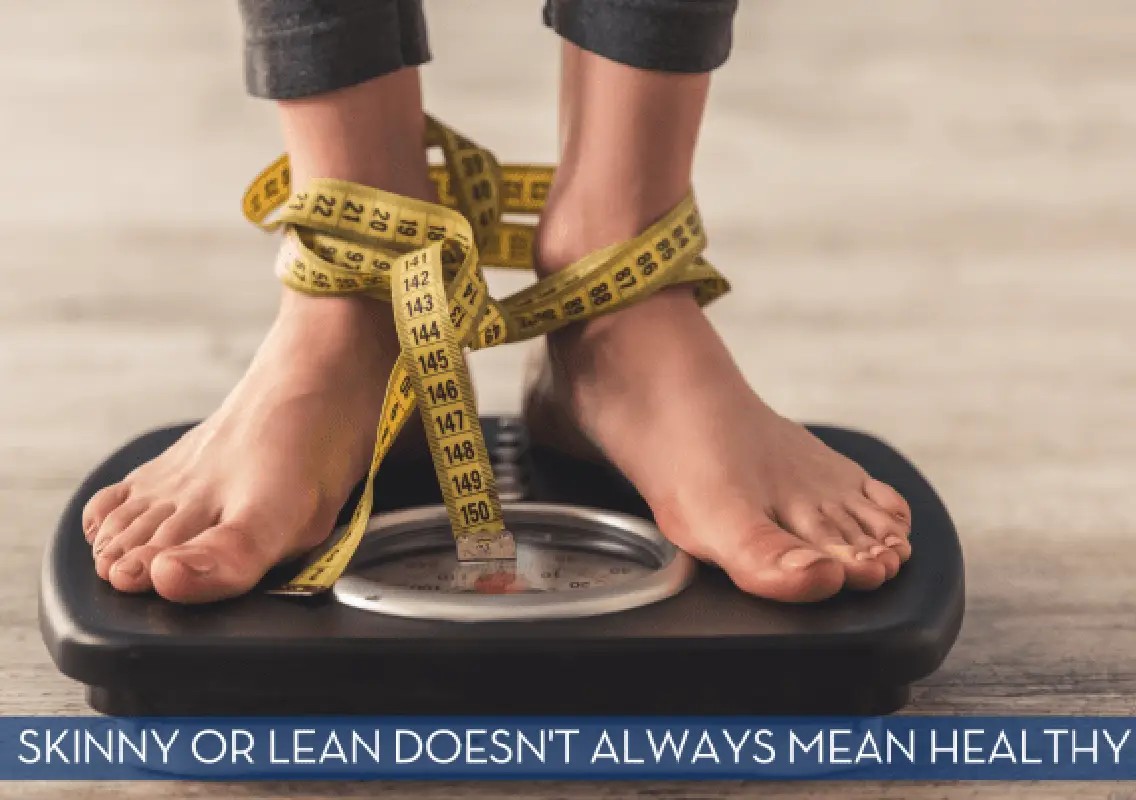

For decades, Body Mass Index (BMI) has been widely used to assess whether a person is underweight, healthy, overweight or obese. However, a new study is raising concerns that BMI may significantly underestimate obesity levels and fail to identify people at risk of serious health problems.
Researchers found that some individuals who appear slim and fall within the “healthy” BMI range may still have excessive body fat, a condition often referred to as “normal-weight obesity”.
BMI may not tell the full story
BMI is calculated using a person’s height and weight. While it is simple and widely used, it does not distinguish between fat, muscle, bone density or body composition.
As a result, two people with the same BMI may have very different health profiles. One may have healthy muscle mass, while the other may carry excess body fat that increases the risk of chronic diseases.
Experts say relying solely on BMI can lead to missed diagnoses and delayed interventions.
Hidden health risks
People with normal-weight obesity may appear healthy externally but can still face risks associated with obesity, including heart disease, type 2 diabetes, high blood pressure and metabolic disorders.
Researchers noted that excess body fat, particularly around the abdomen and internal organs, is often a better indicator of health risks than weight alone.
Looking beyond the weighing scale
Health experts increasingly recommend combining BMI with other measurements such as waist circumference, body fat percentage and metabolic health assessments to gain a more accurate picture of overall health.
Regular physical activity, balanced nutrition and routine health screenings remain essential regardless of a person’s weight or body size.
A shift in understanding obesity
The study highlights the need for a broader approach to evaluating obesity and health. Medical professionals argue that body composition and metabolic health should receive greater attention rather than focusing exclusively on body weight.
As awareness grows, experts hope that more accurate assessment methods will help identify at-risk individuals earlier and support better long-term health outcomes.

Comments are closed.