
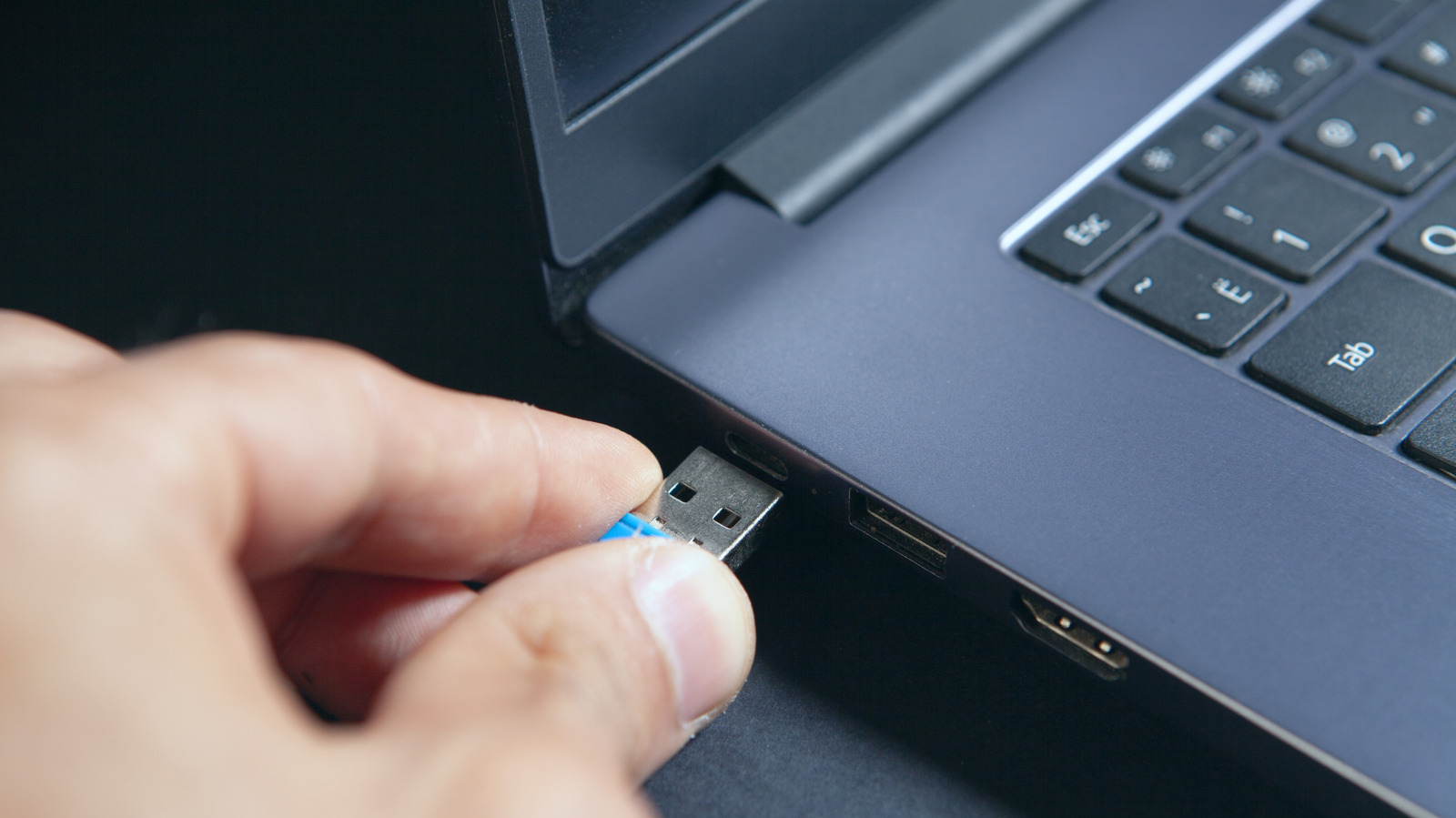

When it comes to storing important files, a combination of both physical and digital storage is often recommended. Apart from using a secure cloud storage solution, a flash drive is a great way to store files on the go. That is, if you can transfer all the necessary files easily. When you’re in the middle of transferring large files or hundreds of photos, you may have noticed that things start moving more slowly than usual.
To get started, you’ll want to detach your USB drive from any USB hub or dock it’s connected to. You should do this because they can negatively impact its performance since some hubs or docks may not be manufactured up to standard. Doing so will help you better isolate whether the transfer speed issue is with your USB drive or your computer. From there, you can check two main things: hardware and software.
Before we proceed, it’s important to check whether or not your USB drive and port have any physical defects that are causing problems, such as corrosion. If you have an old computer, chances are you may have skipped cleaning your USB ports, which could have also gathered dirt and debris. But if you’ve done all this and your transfer speeds are still bad, there are a few things you can do to fix it.
Plug your drive into the right port
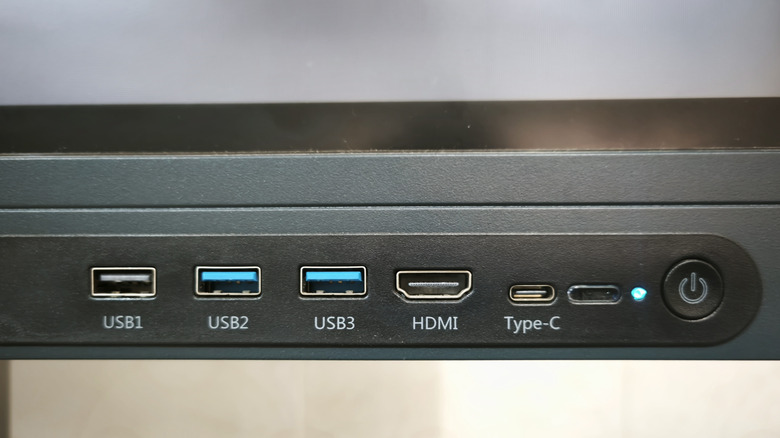
External hard drives, smart home hubs, and other devices can be damaged if plugged into the wrong port. While you’re likely not going to ruin your USB drive, which doesn’t need as much power as other devices, the wrong port can still impact the maximum transfer speed. Every USB connection has two major components: the physical connector (USB-A, USB-C) and the standard that it runs on, like USB 2.0, USB 3.0, etc. In general, it’s best to connect to the fastest port available that matches your USB drive’s standard.
Depending on your computer, you may have a combination of different generations of USB ports. The Lenovo ThinkBook 16 G6 has a combination of USB-A 3.2 Gen 1, USB-C 3.2 Gen 2, and USB-C Thunderbolt 4 ports. The USB4 is currently the fastest port type, but not all computers have it, and most commercial USB drives aren’t made to max it out anyway.
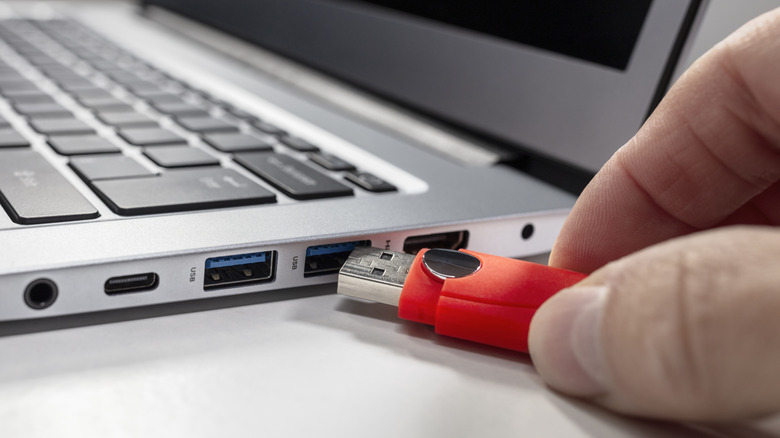
Plugging your device into an older generation port like the USB 2.0 means you can expect up to 10 times slower transfer speeds than USB 3.0, according to Anker. Because of this, if you have a new USB drive with a USB-A connector, the odds will be in your favor if you’re at least connected to the USB 3.0 port, which is indicated by either the blue color or the SS (SuperSpeed) logo.
Check your USB and computer software
In some cases, it’s possible that your USB drive itself is corrupted, which is why it’s not performing optimally. To fix this, you may need to reformat it. While there are a ton of advantages to having a USB formatted to FAT32, the exFAT file system is more suitable for USB drives because they tend to be faster and compatible with both Windows and Mac operating systems. However, formatting the USB drive will erase everything on it, so it’s best to back up your device first.
Sometimes, little changes to your data transferring habits can go a long way. In general, large files will take longer to transfer, so if possible, compress files. You can use a Windows tool to unzip them later, and by compressing them now, you may be able to improve the speed. If you’re still encountering issues with transfer speeds, it is also worth checking to see if your computer is operating on limited storage space. According to Lenovo, this could impact overall performance, which includes accessing files. To avoid this, you can close apps that may consume a lot of your system resources.
Through the years, there have also been reports of USB drives overheating. SanDisk notes that this could be due to large file transfers, as well as multiple small file transfers. The company also explains that metal USB drives could be more prone to experiencing this issue. Alternatively, it could also be an indicator of poor manufacturing quality and may need replacement.

Comments are closed.