
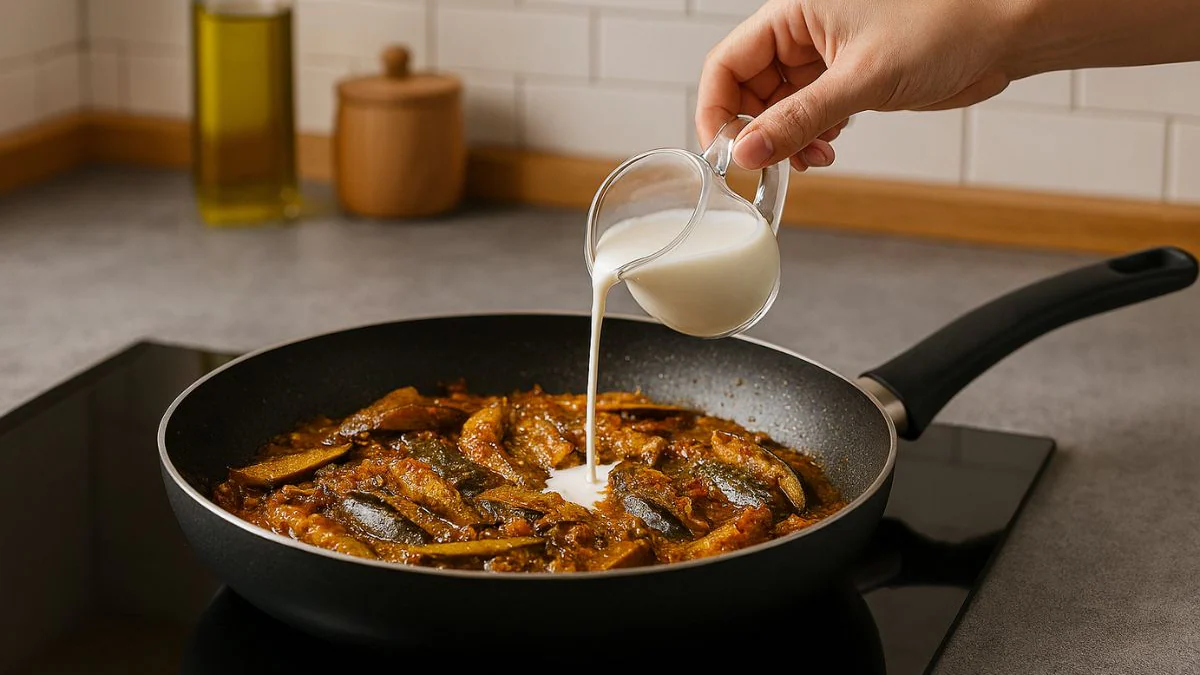

Cooking brinjal can be a bit tricky. Sometimes it turns slightly bitter, other times it darkens too quickly or ends up tasting heavier than expected. While spices and cooking techniques do help, there is one small kitchen trick that many home cooks swear by, adding a splash of milk while cooking. It may sound unusual at first, but this simple addition can subtly improve both the flavor and texture of the dish. The best part? It does not change the recipe dramatically, yet it makes a noticeable difference in the final result.
Also Read: Subway To Undersea: 8 Michelin Restaurants In Surprising Locations Around The World
What Happens When You Add Milk To Brinjal?
Photo: Unsplash
Adding a little milk while cooking brinjal works in more ways than one. As the vegetable cooks, it tends to absorb flavors easily, and milk helps balance out its natural sharpness. This results in a dish that tastes smoother, looks better, and feels slightly richer without being heavy.
Why This Trick Works So Well
1. Helps Reduce Bitterness
Brinjal can sometimes carry a mild bitter taste, especially if it is not very fresh. Milk helps tone this down, making the overall flavor more balanced and pleasant.
2. Prevents Darkening
Cut brinjal oxidises quickly and can turn brown during cooking. A small amount of milk helps slow this process, keeping the dish looking fresher and more appealing.
3. Adds A Light Creaminess
Milk brings a subtle richness that blends well with the soft texture of cooked brinjal. It does not make the dish overly creamy, but gives it a smoother finish.
4. Balances Strong Flavors
If your recipe includes bold spices, mustard oil, or garlic, milk can help mellow these flavors and bring everything together.
When Should You Use This Trick?
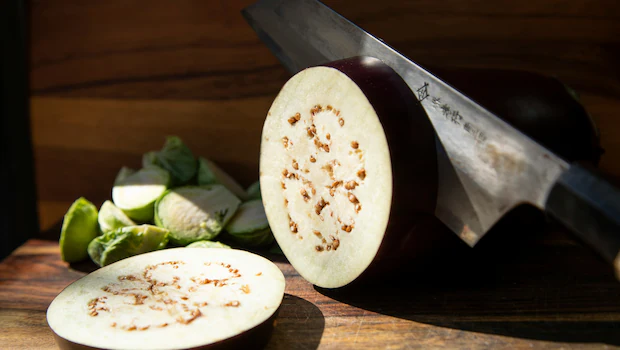
Photo: Unsplash
This works best in everyday brinjal preparations like bharta, sauteed sabzis, or light gravies where you want a smoother, well-balanced taste. However, it may not be suitable for very tangy dishes that use ingredients like tamarind or a lot of tomatoes, as milk can split when combined with high acidity.
Also Read: Where Is The Oldest Sweet Shop Of India?
Is Milk Necessary If You Soak Brinjal First?
Soaking brinjal mainly works on the surface, but milk acts during cooking itself. Milk’s natural proteins can help neutralize sharper compounds inside brinjal as heat is applied, especially in mature or seed‑heavy pieces where soaking may fall short. This makes milk useful even after soaking, as it works as a gentle flavor buffer while the brinjal cooks, rather than just a prep‑stage fix.
How Much Milk Should You Add?
You only need a small amount – about 1 to 2 tablespoons while cooking is enough. Adding too much can dilute the flavors and change the texture of the dish.
A simple ingredient, a small step, and a noticeable difference, that is what makes this trick worth trying. The next time you cook brinjal, add a splash of milk and see how it transforms the dish with minimal effort.

Comments are closed.