
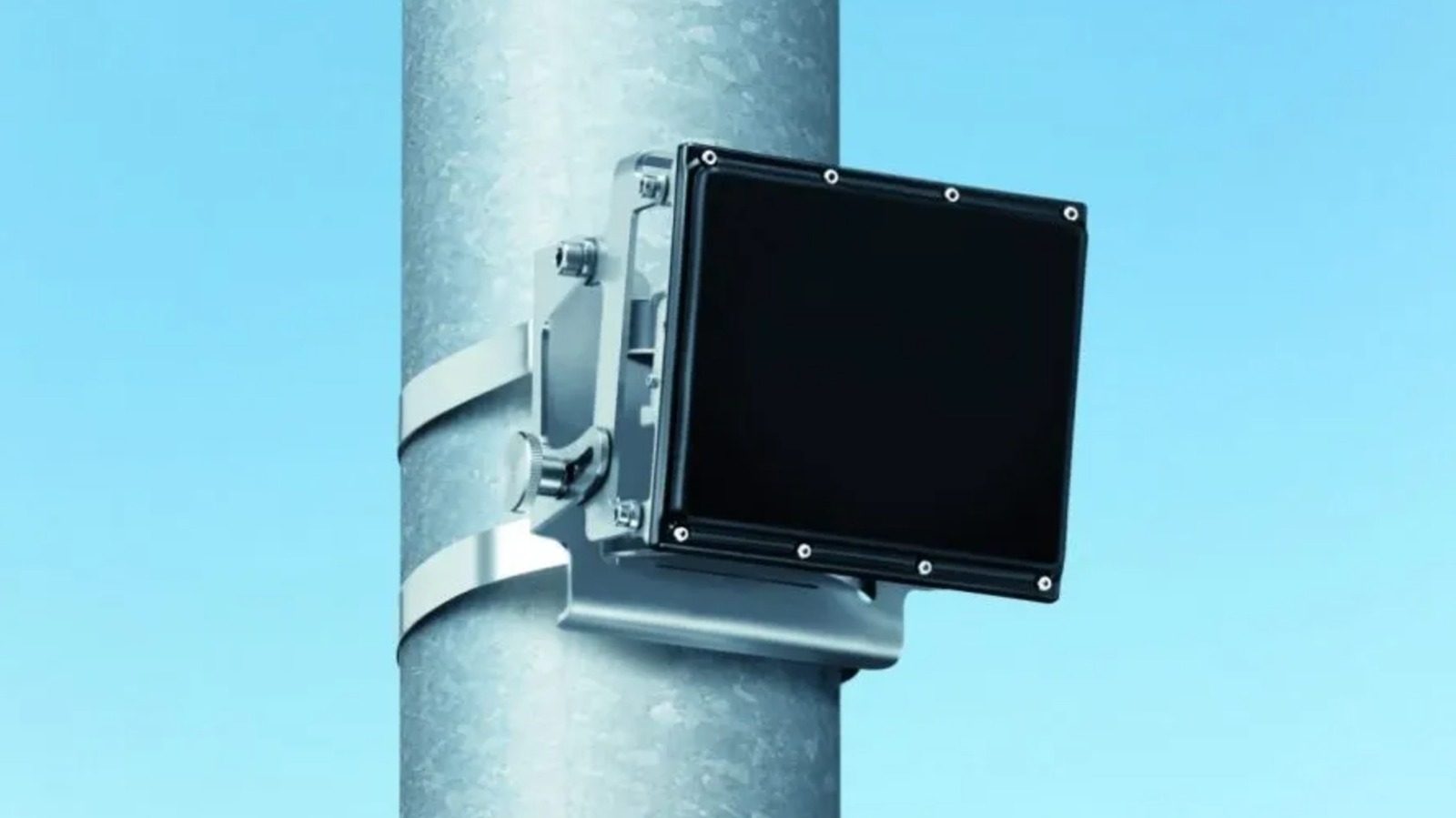

You can find all kinds of things at an intersection in the modern era, from the ever-essential traffic light to various cameras. While it’s not hard to figure out what a lot of these items are for, there are some that are rather elusive. Case in point, those small black boxes that are occasionally seen on poles near traffic lights. At first glance, it’s easy to assume they’re just another type of camera, but this isn’t exactly the case. These are multi-lane radar (MLR) sensors that rely on microwave radar technology rather than traditional cameras to control the flow of traffic.
Using microwave beams, MLR sensors are able to “see” an intersection and change traffic light behavior based on factors like vehicle count, speed, and distance. These are intended to improve responsiveness compared to older underground inductive loop systems, which were plagued by issues like poor vehicle detection and a lack of durability. MLRs aim to reduce the likelihood of being stuck at a red light for ages all by yourself, or having to slam on your brakes when a light suddenly turns from green to yellow. The overarching idea behind these traffic sensors is to make going through intersections easier, safer, and more convenient for drivers.
Ideally, the presence of MLR sensors will eliminate extended traffic light downtime and close red light calls — and turn having to make a sensor detect a car yourself to change a red light to green into a thing of the past. According to those behind them, they’re already helping out in a big way.
MLR traffic sensors benefit more than drivers
At the time of publication, MLR traffic sensors are becoming increasingly common. Alongside the black ones, some drivers may have seen white versions that operate in the same way, tackling the same issue of improving traffic flow. No matter their color, they seem to be a big step forward for drivers. Missouri Traffic Engineer Jason Saliba spoke to KY3 about the sensors’ green light performance. “We’re averaging about a 70% arrival on green rate, which is pretty good,” he said.
Motorists aren’t the only ones benefiting from this technology. Drivers may be the main beneficiaries of the wider implementation of MLR traffic sensors, but radar sensors do more than notice vehicle movement and traffic heaviness. Cyclists and pedestrians are detected by this tech as well, with their presence taken into account as these sensors develop traffic light queues. If you’re riding a bike or going for a walk, an effort is made by these sensors to improve your travel time and safety as you make your way through an intersection, just as they would for the drivers around you.
Society has come a long way from the pre-computerized era of traffic light technology. Thanks to these little MLR traffic sensors, all manner of public transportation is on its way to becoming much more efficient than it has been in the past.

Comments are closed.