
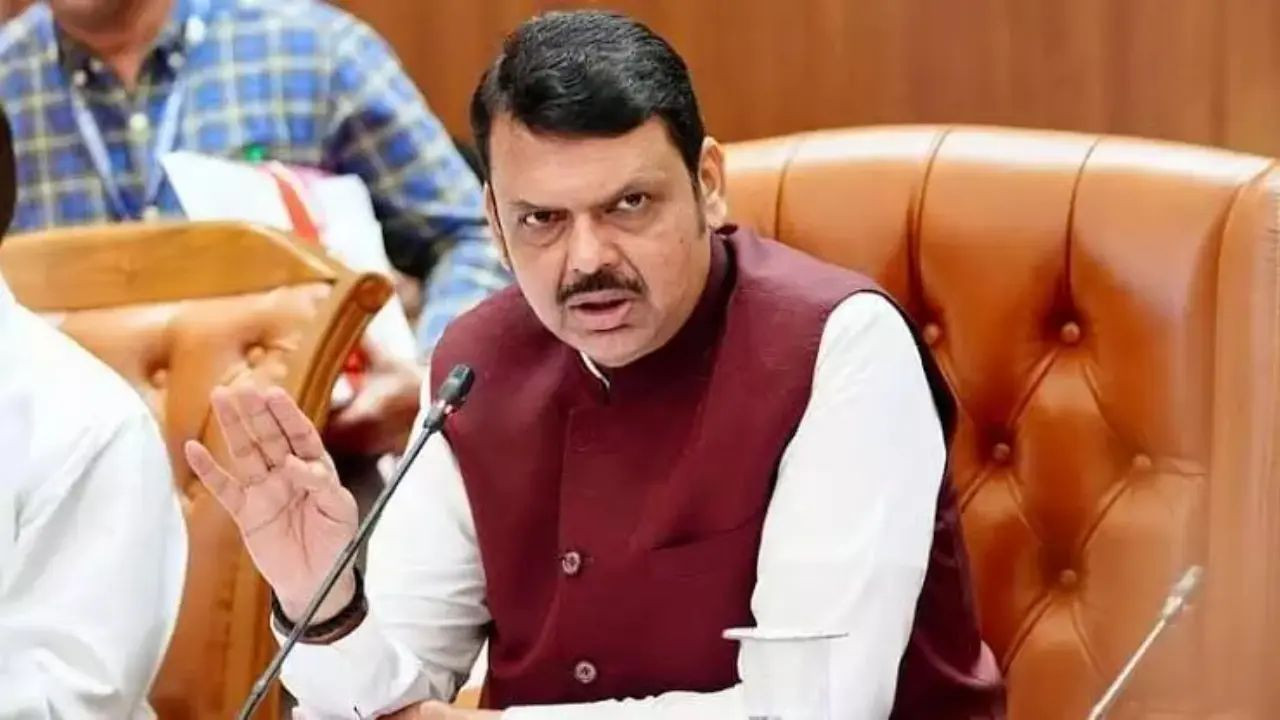
To stop illegal conversion, Maharashtra government introduced Religious Freedom Bill 2026, provision for both fine and jail.

Maharashtra: Maharashtra government has introduced a new bill with the aim of stopping illegal conversion, which has intensified the discussion in political and social circles. On Friday, the state government presented the Maharashtra Government Religious Freedom Bill 2026 in the Assembly. Many important rules and strict punishments related to religious conversion have been provisioned in this bill. The special thing is that in this, clear provisions have also been made regarding the religion of those children who are born after religious conversion.
A special feature of this bill is the provision related to the rights of children. According to the proposed law, if a person changes his religion and thereafter a child is born, then the religion of that child will be considered to be the same as the religion of his mother before marriage. The government believes that this will prevent future disputes regarding the religious identity of children.
Notice will have to be given before religious conversion
The bill also states that a person who wants to change his religion will first have to inform the District Magistrate. For this, it will be mandatory to give written notice at least 60 days in advance. Apart from this, after the completion of the process of religious conversion, the person concerned will also have to give a post-conversion declaration.
If any person does not follow these rules, strict action can be taken against him. If found guilty under the law, a jail term of up to seven years and a fine of up to Rs 5 lakh can be imposed. In some serious cases, this punishment can extend to imprisonment of up to ten years and a fine of up to Rs 7 lakh.
Such laws are already in force in many states
If this bill is passed, Maharashtra will join the list of states where special laws have been made to control religious conversion. Till now, such laws are already in force in states like Jharkhand, Uttarakhand, Himachal Pradesh, Uttar Pradesh, Gujarat, Madhya Pradesh, Chhattisgarh, Haryana, Karnataka and Rajasthan.
Protection given to children’s rights
Children’s rights have also been clearly protected in this bill. Under Section 5, it is said that a child born after religious conversion will get the right to inherit the property of both the parents. Apart from this, the child will also have the right to financial assistance i.e. maintenance. A provision has also been made in the bill regarding custody. According to this, the care and custody of the child will normally remain with the mother, unless the court orders any other arrangement.
Clear definition of illegal conversion
The definition of illegal conversion has also been clarified in the bill. If a person is converted by luring, cheating, forcing, giving wrong information or using pressure, then it will be considered illegal. Apart from this, efforts to convert someone by influencing someone’s religion through education, social influence or other means will also come under the purview of this law.
Strict provisions for sensitive sections
In the proposed law, women, minors, people belonging to Scheduled Castes and Scheduled Tribes have been considered as sensitive classes. If religious conversion of people of these classes is done illegally, then provision for more stringent punishment has been made against the culprits.
Conversion in the name of marriage is also a crime
The bill also makes it clear that if a person is converted by marrying or promising to marry, it will be considered illegal. If it is proved to the court that the purpose of the marriage was only to cause religious conversion, then the court can declare that marriage invalid.
Discussion increased regarding law
Now a wide discussion has started regarding this bill introduced by the Maharashtra government. Supporters believe that this will help in curbing illegal conversions, while critics are linking it to personal freedom. In the coming time, only after discussion on it in the Assembly, it will be decided whether this bill takes the form of law or not.

Comments are closed.