
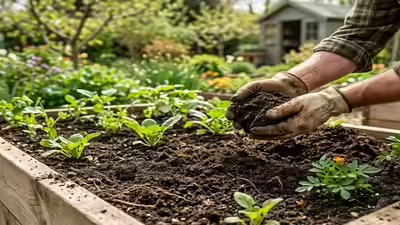

Gardeners struggling with dull, unproductive raised beds often assume the only solution is to dig everything out and start fresh. But experts say that’s not necessary. A simple technique called top dressing is emerging as an effective, budget-friendly way to restore soil health and improve plant growth—without the hard work of full soil replacement.
Why Garden Beds Lose Their Quality Over Time
Raised garden beds naturally degrade after a few seasons. Common problems include:
- Dry and compacted soil
- Poor nutrient balance
- Reduced plant growth and yield
Over time, the soil structure weakens, making it harder for plants to thrive. Many gardeners mistakenly believe this means starting from scratch.
What Is Top Dressing?
Top dressing is a straightforward method where gardeners:
- Add 2–3 inches of compost or high-quality topsoil
- Spread it evenly across the surface
- Lightly mix it into the top layer
Instead of replacing the entire soil, this method improves the most active zone where plant roots grow.
Why Experts Recommend It
According to agricultural extension specialists, including guidance from the University of Illinois Extension, top dressing once a year is enough to maintain healthy raised beds.
This method:
- Enriches the soil with fresh nutrients
- Improves moisture retention
- Enhances the overall appearance of garden beds
A freshly dressed bed looks darker, smoother, and more vibrant—instantly improving your garden’s visual appeal.
How Compost Improves Soil Health
Compost plays a key role in this process. Made from decomposed organic materials like leaves and grass, it acts as a natural soil booster.
Research from the University of Minnesota Extension highlights that compost:
- Improves soil structure
- Helps sandy soil retain water
- Enhances drainage in heavy soils
- Supports beneficial microorganisms
This balance makes soil more fertile and suitable for long-term plant growth.
Scientific Backing: Slow but Effective Results
Soil science research confirms that organic amendments like compost:
- Increase microbial activity
- Improve nutrient availability
- Boost plant productivity over time
While the changes may not be immediate, consistent top dressing leads to steady and lasting improvements.
How Much Compost Should You Use?
Moderation is key. Experts warn that excessive compost can:
- Raise soil pH levels
- Make soil too alkaline for many plants
The recommended amount is just a few inches per year. Testing your soil occasionally can help determine if adjustments are needed.
When Full Soil Replacement Is Necessary
In most cases, top dressing is enough. However, full replacement may be required if:
- Soil is heavily compacted
- Contamination is present
- Nutrients are completely depleted
For everyday home gardening, though, a consistent top dressing routine is usually sufficient.
A Small Change with Big Impact
Top dressing may seem like a minor step, but its results are significant.
- Healthier, more productive plants
- Better moisture and nutrient balance
- Improved garden appearance
Most importantly, it saves time, effort, and money.
Conclusion
You don’t need to overhaul your garden to see results. By simply adding a few inches of compost each year, you can restore soil health, boost plant growth, and keep your garden thriving.
Sometimes, the smartest gardening solution isn’t starting over—it’s improving what you already have.
Comments are closed.