
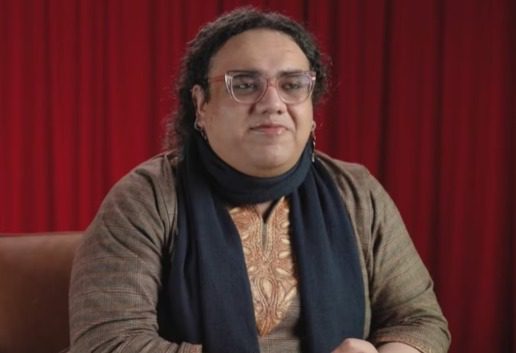
Transgender Hina Baloch’s claim creates uproar in Pakistan, debate over ‘80% people are gay’ statement

The statement of a transgender activist in Pakistan has given rise to a new debate across the country. Pakistani social worker Hina Baloch The claim made in a viral video has not only created a stir on social media, but has also sparked widespread discussion on issues related to society, culture and identity.
Heena Baloch claimed in her statement that about 80 percent of the people in Pakistan are gay, while the remaining 20 percent are bisexual. As soon as his statement came out, sharp reactions were being seen among the people. Some people are considering it as a bold and necessary discussion, while many are calling it exaggerated and controversial.
During an interview he said that sexuality is not talked about openly in Pakistan. Due to religious, family and cultural pressure present in the society, people are forced to hide their true identity. According to him, this situation is so deep that people hesitate even to accept their desires.
Heena Baloch called it an “open secret” i.e. a truth which everyone knows but does not accept openly. He says that a large number of people do not publicly accept their sexual identity because they fear social ostracism or opposition.
Sharing his personal experiences, he said that since childhood he had to face many challenges regarding his identity. He said that he had to face taunts from his family and society regarding his dress, speech and behaviour. Even had to go through violence and humiliating situations at times.
Heena Baloch also said that the transgender community in Pakistan, often called “Khwaja Sira”, is still struggling with many social and economic problems. According to him, people of this community are often restricted to limited options like begging, dancing or sex work, which is a serious social problem.
Despite these challenges, Heena Baloch did not give up and started working actively to bring change in the society. She co-founded “Sindh Murat March” and raised the voice of gender and minority rights by participating in movements like “Aurat March”.
However, differences of opinion are clearly visible in Pakistan regarding his statement. Some people are considering it as an attempt to expose the hidden aspects of the society, while others are calling it beyond the facts and misleading.
Experts believe that conclusions on sensitive issues like sexuality should be drawn only on the basis of solid data and research. Such claims, if made without evidence, can give rise to confusion and controversy in society.
At present, this statement of Heena Baloch has given rise to a new debate in Pakistan on issues like LGBTQ+ community, social acceptance and personal freedom. It will be interesting to see what direction this discussion takes in the future and whether it heralds any positive change in the society or not.

Comments are closed.