

Highlights
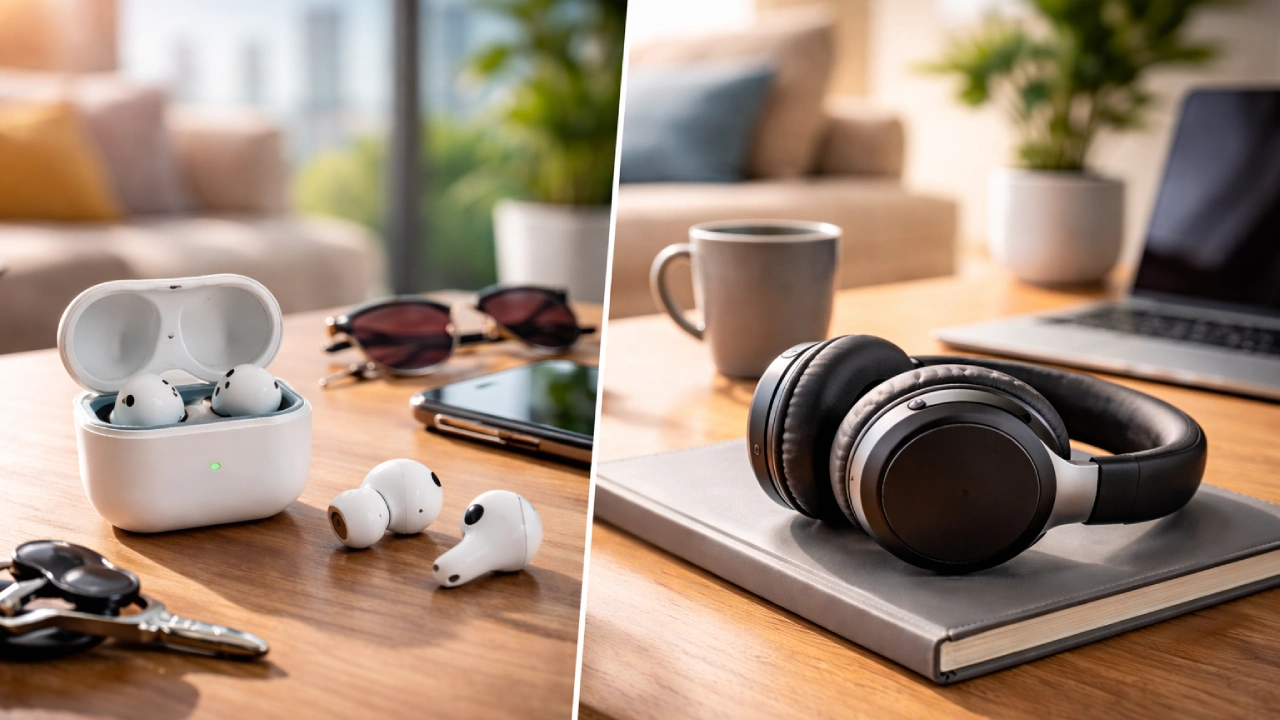
- True wireless ANC earbuds excel in portability and convenience, making them ideal for commuting and active daily use
- Over-ear headphones deliver stronger noise cancellation, better comfort, and longer battery life for immersive listening sessions
- Sound quality gaps between the two categories have narrowed, but not disappeared
- Comfort and battery life remain key differentiators for long listening sessions
For years, the debate between earbuds and over-ear headphones had a simple answer. Over-ear headphones delivered better sound and stronger noise cancellation, while earbuds were merely convenient accessories. In 2025, that distinction has become far less clear.
Tech developments such as miniaturisation, ANC, and audio processing have reshaped the true wireless earbuds into mighty audio devices. The same has happened to their competitors, who refined their strengths and offered better insulation, longer battery life, and superior comfort. It is no longer a matter of what sounds “better” in theory but how, where, and why one listens.
How Noise Cancellation Has Evolved:
Active noise cancellation, or ANC for short, is a process where microphones pick up surrounding sounds and then the corresponding inverse sound waves are generated, thus cancelling out the original sounds. Over-ear headphones have, for a long time, held a strong position thanks to their large drivers and physical ear cups that isolate noise.
In 2025, true wireless earbuds will have come very close to matching the performance of over-ear headphones in this area. Upgraded mics, quicker processors, and smart algorithms make it possible for earbuds to cut a surprisingly large slice of low-frequency noise, especially in the city and on trains and buses.
Nevertheless, over-ear headphones still give a better noise reduction quality in all situations, especially when the noise condition changes, such as wind or a crowded place. Their design not only provides passive isolation that cannot be achieved by earbuds, but also their large size helps block external noise.
Quality of Sound: Size Still Has Its Place to Some Extent
Sound quality is still an area that is hotly debated in this comparison. The larger drivers of the over-ear headphones are the main reason they are able to produce the clearest bass, the widest soundstages, and the most accurate separation of sounds. Nevertheless, the higher-end earphones have come to be able to do a great deal. The enhanced tuning, the high-quality codecs, and the personalized audio profiles make it possible for the earbuds to produce balanced, captivating sound that most listeners will accept.
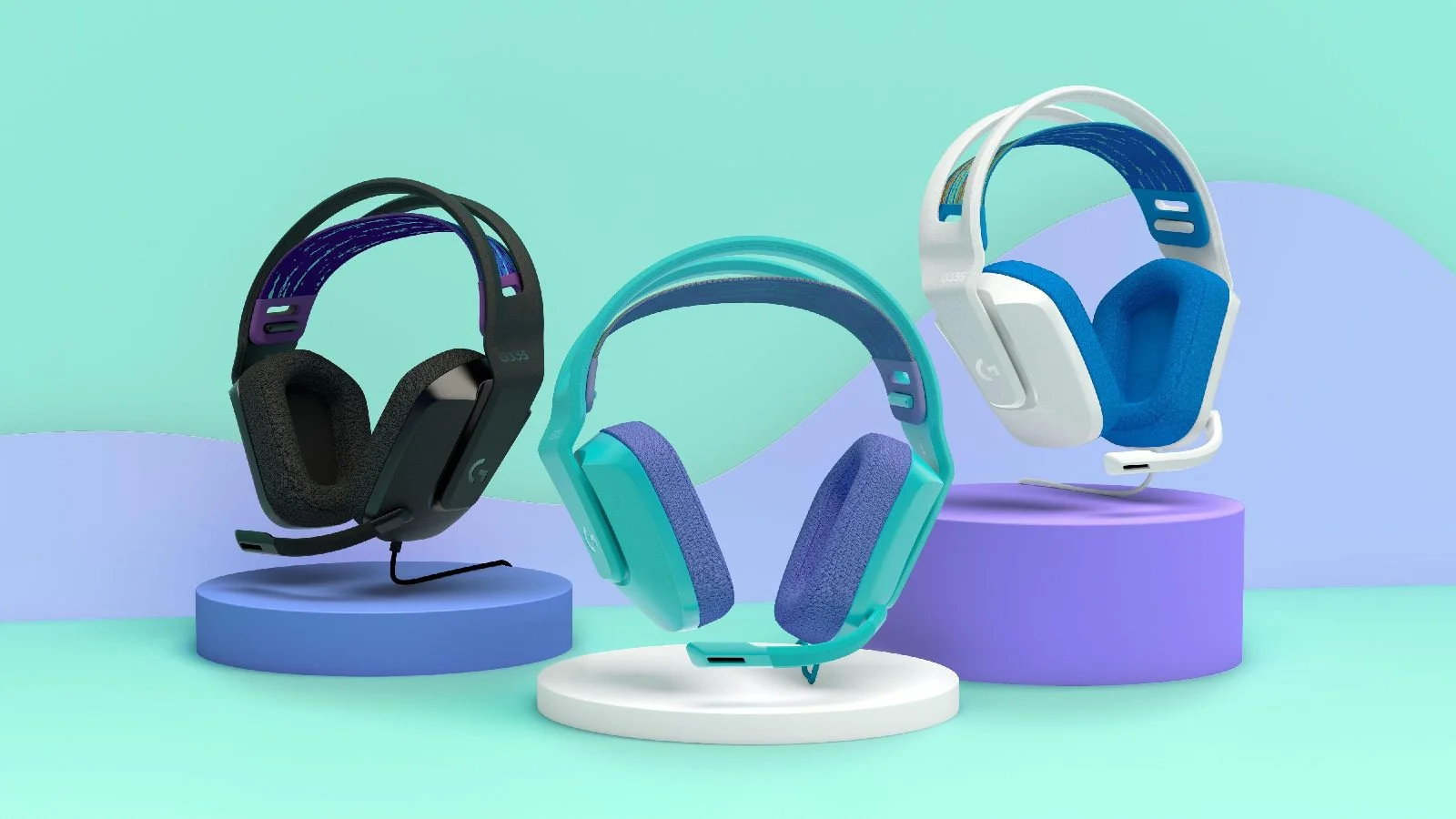
For the above situations, the difference in sound quality is often non-existent. The headphones are still the better choice for critical listening, long sessions, or lossless audio lovers.
Comfort Through Time
Though comfort is a matter of preference, the general trend is clear. The fact that true wireless earbuds are lightweight and unnoticeable makes them perfect for listening sessions that last from short to medium length. They can be easily hidden in pockets and ears, which invites their spontaneous usage. The over-ear headphones, on the contrary, are very good for long listening sessions.
This is because their weight is distributed over the head and not just concentrated in the ear canal, which would otherwise lead to fatigue after some time. Also, if the ear cushions are well designed, then they will allow airflow and thus comfort during the period of use. At the same time, this aspect of comfort could be a determining factor for daily commuters and travelers.
Battery Life and Charging Reality
Battery duration is one of the most significant practical distinctions between the two categories. Totally wireless earbuds depend on small batteries that usually provide a few hours of playback per charge, augmented by charging cases. On the other hand, over-ear headphones use larger batteries that give significantly longer listening times. A considerable number of models can operate through an entire workweek with just one single charge, thereby minimizing the requirement of frequent recharging.
Although earbuds get to have quick top-ups, over-ear headphones ensure peace of mind during long journeys and for extended use.
Portability vs. Presence
Portability is the aspect where the earbuds are the winners. They can be easily stuffed into the pockets, bags, and daily life. This advantage of portability promotes regular use and makes them perfect companions for active lifestyles.

On the other hand, over-ear headphones are more noticeable. They occupy more space, attract attention, and require deliberate use. For some users, this noticeable aspect adds to their listening experience because it marks a conscious shift to focus or relax. Others might consider it a burden.
Use Cases Define The Winner
However, the solution to this debate really lies within the context. True wireless earbuds are best in mobility-driven scenarios, while, on the other hand, over-ear headphones are more favored in letting environments that reward immersion: home offices, flights, and focused work sessions.
Many users now have a set of both, changing according to the situation. This dual-device approach is a reflection of how listening habits have become diverse.
Price and Value Considerations
The price range for both types is quite large. High-end earbuds might cost as much as mid-range over-ear headphones, while the most advanced models of DHPs can be priced at even a higher level. Value really is determined by the frequency of use. It seldom makes sense to acquire expensive features if one hardly ever uses them. It is more important to understand one’s own listening habits than to keep chasing for better specifications.
The Role of Ecosystems and Features
The integration of the ecosystem is becoming more and more prominent. Features like seamless device switching, spatial audio, and voice assistant integration are usually better within a specific brand ecosystem. For users who have already made a significant investment in a certain platform, these integrations can be more beneficial than pure audio performance.
Conclusion: It’s About Fit, Not Superiority
In 2025, the question will not be which category is objectively better. Both true wireless ANC earbuds and over-ear headphones are superb in their respective functionalities. The decision will be made based on the lifestyle, listening environment, and personal preferences. Convenience versus immersion, portability versus endurance, spontaneity versus intentionality.
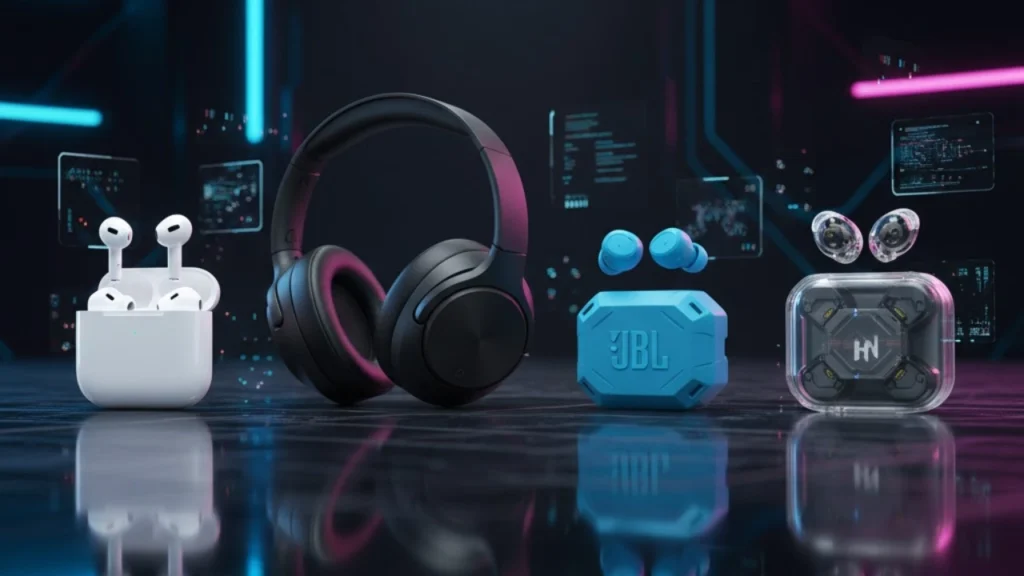
Audio technology has advanced to a stage where users do not have to compromise; they just have to choose wisely.

Comments are closed.