

Trump Administration Sought NYT Journalists’ and Relatives’ Phone Records/ TezzBuzz/ WASHINGTON/ J. Mansour/ The Trump administration sought phone records belonging to several New York Times journalists and some of their relatives while investigating leaks about a Qatari-gifted Air Force One jet. The newspaper argues that the subpoenas cover an excessively broad period and represent an attempt to uncover reporters’ confidential source networks. The Justice Department says the journalists are not targets and maintains that it is investigating people who leaked classified information.
Quick Look
- The Justice Department sought phone records from several New York Times journalists.
- Additional subpoenas covered a reporter’s mother and two journalists’ spouses.
- The records were requested as part of an investigation into alleged classified-information leaks.
- The investigation concerns reporting about security issues involving a Qatari-gifted Air Force One jet.
- Some subpoenas sought records dating to Jan. 1, before the July articles under investigation.
- The Times says the broad time frame suggests an effort to examine reporters’ source relationships.
- The Justice Department says reporters are not the investigation’s targets.
- The newspaper filed a motion seeking to quash the subpoenas.
- The original subpoenas were delivered to three reporters at their homes.
- The administration spent $400 million retrofitting and upgrading the Qatari-gifted aircraft.
- The Times reported that the newer plane lacked some security capabilities found on the older Air Force One.
- Trump denied that security concerns prompted a recent aircraft switch.
- The dispute follows an FBI search of a Washington Post reporter’s home earlier in 2026.
- Press advocates say such actions could intimidate journalists and confidential sources.

Administration Sought Journalists’ Phone Records
WASHINGTON — President Donald Trump’s administration sought phone records belonging to several New York Times journalists and some of their relatives as part of an attempt to identify confidential sources, according to a court motion unsealed Monday.
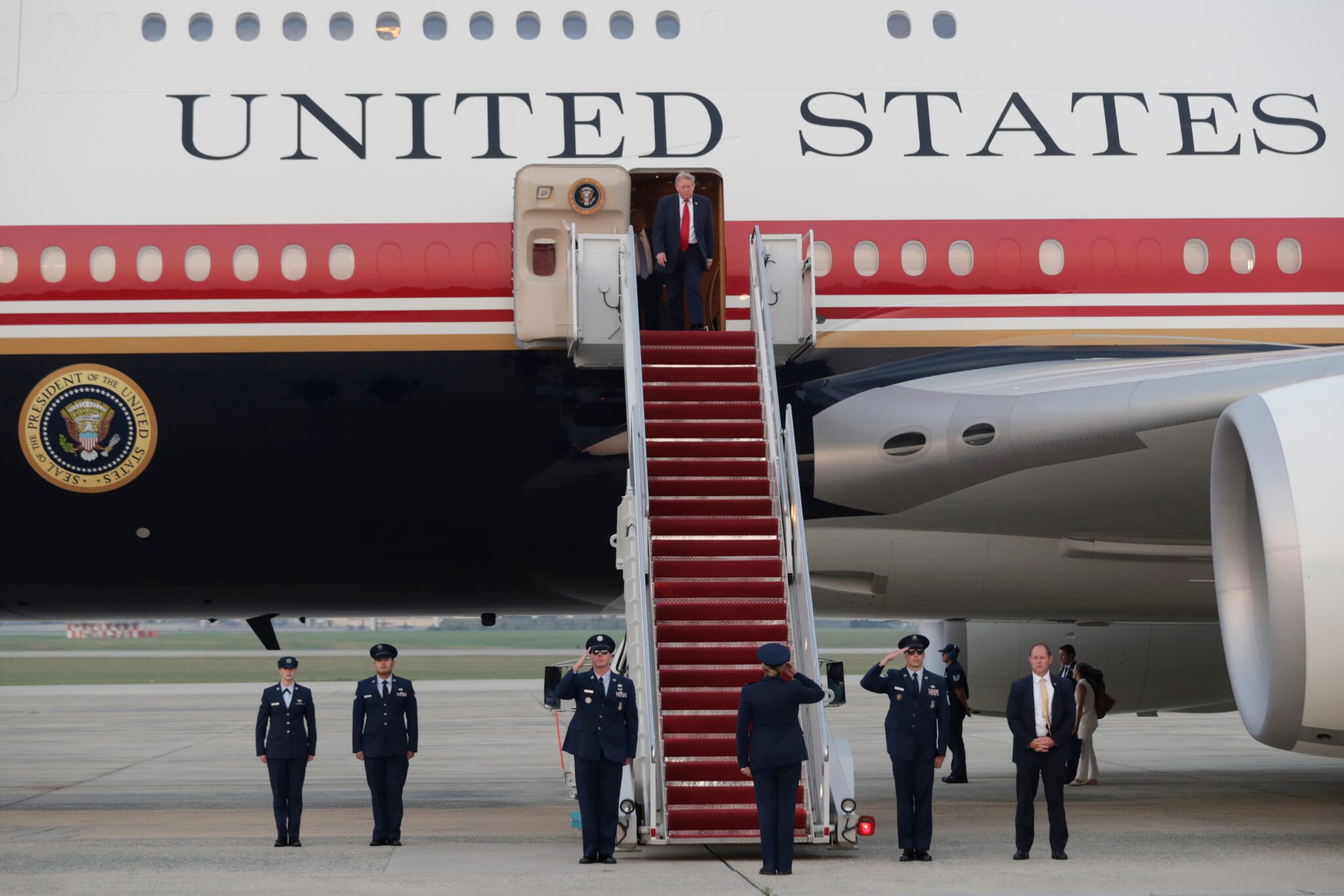
The subpoenas relate to an investigation involving Times articles about security concerns surrounding an aircraft Qatar presented to the United States for use as Air Force One.
The newspaper disclosed the additional requests as part of its continuing legal effort to quash Justice Department subpoenas issued to three reporters.
The motion presents the newspaper’s legal arguments; a court has not yet resolved the underlying dispute.
Subpoenas Covered Reporters’ Relatives
The additional subpoenas sought records belonging to the mother of one reporter and the spouses of two journalists, according to the Times’ filing.
The mother is a mental health professional whose work involves confidential client relationships.
One of the spouses serves as general counsel for a law firm.
The Times argues that seeking their records expands the investigation beyond the journalists who wrote the articles and could expose unrelated confidential communications.
Times Questions Broad Time Frame
The newspaper said the requests were more extensive than previously disclosed.
Some subpoenas sought records covering a period that began months before the articles under investigation were published.
“Two of the subpoenas seek records beginning on January 1, 2026, long before the events that are purportedly the basis for the Department’s investigation,” lawyers for the Times wrote.
“That timeframe strongly suggests that the Department is using this investigation not to focus on any purported concerns arising from the July 8 and 9 articles, but instead to forage for information about the Journalists’ source relationships more broadly.”
The newspaper argues that the time frame indicates the government may be seeking information about confidential sources unrelated to the Air Force One reports.
DOJ Says Reporters Are Not Targets
The Justice Department has defended its use of subpoenas by saying its investigation is focused on people suspected of disclosing classified information.
“To be clear, reporters are not the targets, those leaking classified information are,” the Justice Department said.
The department’s position is that investigators are attempting to identify government leakers rather than prosecute journalists for gathering or publishing news.
However, obtaining journalists’ communications records can reveal the identities of sources even when the reporters themselves are not formally classified as investigative targets.
Newspaper Alleges Abuse of Grand Jury Process
The New York Times described the newly disclosed subpoenas as part of a troubling pattern.
“The disclosure of additional subpoenas for confidential newsgathering information of the Journalists is deeply concerning, revealing yet another instance of the alarming pattern of conduct detailed in the Motion to Quash,” the newspaper’s lawyers wrote.
The filing alleged misconduct in the use of the grand jury process.
“These actions demonstrate abuse of the grand jury process, continued bad faith attacks on the Journalists, violations of the Department’s own internal regulations and disregard for the law in this Circuit intended to protect critical First Amendment interests,” the motion stated.
The Justice Department had not publicly conceded any violation, and the court must consider the competing arguments.
Three Reporters Challenge Original Subpoenas
The Times disclosed the government’s broader efforts during its legal challenge to subpoenas served on three journalists.
Those reporters wrote about alleged security concerns involving the new Air Force One aircraft.
The initial subpoenas were delivered directly to the reporters at their homes.
Free-press advocates condemned the action as an escalation of the administration’s campaign against government leaks and warned that it could intimidate reporters and potential sources.
Investigation Centers on Qatari-Gifted Jet
The aircraft at the center of the investigation was presented by Qatar.
The Trump administration spent $400 million retrofitting and upgrading the jet before placing it into service.
Trump used an older Air Force One model when departing a NATO summit in Turkey earlier in July.
The New York Times, citing anonymous sources, reported that the Secret Service recommended the switch.
The newspaper also reported that the newer aircraft lacked some advanced security features available on the older plane, including antimissile capabilities.
Trump denied on social media that security concerns were responsible for the decision.
Case Follows Washington Post Search
The subpoenas followed an FBI search earlier in 2026 of a Washington Post reporter’s home.
Federal agents seized the journalist’s electronic devices during that search.
Together, the actions have intensified concerns about the administration’s use of investigative powers to identify journalists’ confidential sources.
News organizations rely on source confidentiality to report on classified programs, government misconduct and other matters officials may not discuss publicly.
Since Trump returned to the White House, his administration has confronted newspapers, television networks and publicly funded media organizations on several fronts.
Its methods have included lawsuits, administrative action, investigations and public threats.
The administration has also clashed with Voice of America and other news organizations over their coverage and operations.
The dispute over the Times subpoenas is expected to test the balance between the government’s authority to investigate classified leaks and constitutional protections for the press.
First Amendment Concerns
The First Amendment protects the press from government restrictions, but legal disputes over leaked classified information often involve competing national security and newsgathering interests.
Journalists and their sources do not receive absolute protection from every investigative demand.
Courts can nevertheless review subpoenas to determine whether they are legally valid, appropriately limited and consistent with applicable constitutional protections and Justice Department rules.
The Times is asking the court to invalidate the subpoenas and prevent the government from obtaining the requested records.
ore on US News
Comments are closed.