
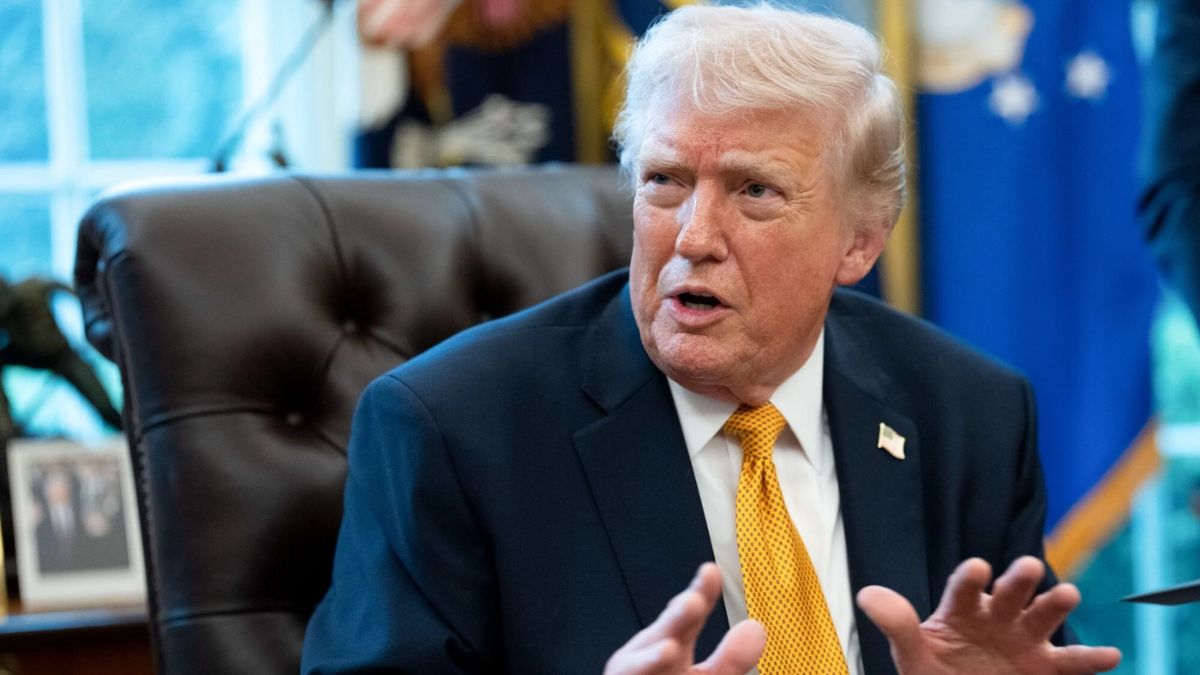
Trump backs away from $1.8 billion ‘anti-weaponization’ fund after rare Republican revolt

The Trump administration has signaled that it may abandon or significantly scale back its controversial $1.8 billion “anti-weaponization” fund following mounting opposition from Republican lawmakers and a series of legal challenges that have put the initiative under intense scrutiny.
The fund, announced as part of a settlement linked to President Donald Trump’s legal dispute with the Internal Revenue Service (IRS), was designed to compensate individuals who claimed they had been unfairly targeted or politically persecuted by government agencies. However, the proposal quickly became one of the most contentious issues in Washington, drawing criticism from both political parties.
According to reports, the Justice Department has informed congressional leaders that it will comply with a federal court order temporarily halting the implementation of the fund. While the administration has not formally announced its cancellation, officials have indicated that work on the program has effectively been paused.
The controversy intensified after lawmakers raised concerns about oversight, transparency and eligibility criteria for potential beneficiaries. Several Republicans publicly questioned whether individuals convicted or charged in connection with the January 6, 2021 Capitol riot could receive compensation under the program. Those concerns triggered an unusual backlash from within Trump’s own party.
Senate Majority Leader John Thune and other senior Republicans reportedly urged the White House to withdraw or revise the initiative. The dispute became so significant that some lawmakers linked support for major immigration enforcement legislation to the administration’s willingness to abandon the fund.
Legal troubles have added further pressure. Federal judges in Virginia and Florida have questioned aspects of the settlement arrangement and temporarily blocked implementation of the fund while litigation continues. A hearing scheduled later this month is expected to examine whether the program can legally move forward.
The Justice Department has maintained that the fund was intended to provide restitution to individuals who experienced government misconduct, regardless of political affiliation. Nevertheless, critics argued that the mechanism lacked sufficient safeguards and could be vulnerable to abuse.
Democrats have continued to push for legislative action that would permanently prevent the creation of similar funds in the future. Meanwhile, administration officials have not clarified whether the program is being permanently abandoned or merely suspended pending court proceedings.
The controversy marks one of the most significant instances of Republican resistance to a Trump-backed initiative during his current term. With legal battles ongoing and congressional pressure intensifying, the future of the $1.8 billion fund remains uncertain, even as the administration signals a clear retreat from its original plans.

Comments are closed.