
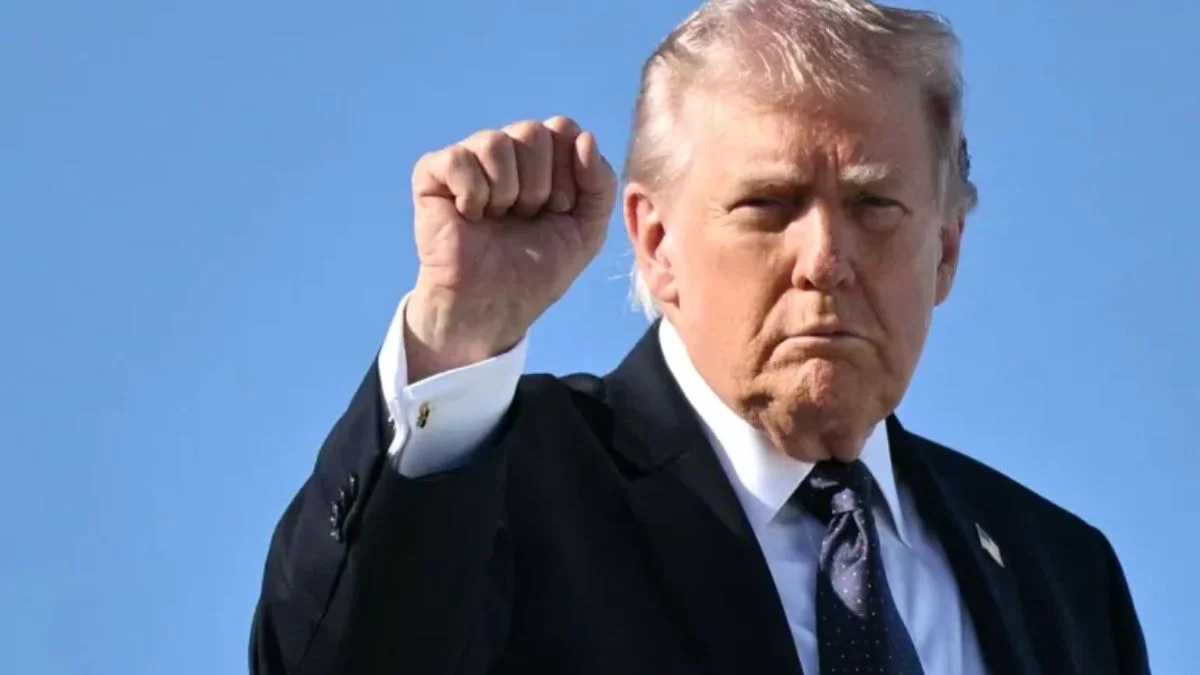

A new statement from Donald J. Trump has renewed attention on one of North America’s most persistent ecological threats: the rapid spread of invasive Asian carp within the Great Lakes ecosystem. In a message posted on his social platform, the former United States President announced that he is working alongside Gretchen Whitmer, Governor of Michigan, to address the growing environmental risk posed by the species as it advances toward major freshwater systems including Lake Michigan.
Asian carp, which were originally introduced to the United States in the 1970s for aquaculture and water management purposes, have since become one of the most destructive invasive species in North American waterways. The fish reproduce rapidly, consume large quantities of plankton and disrupt native aquatic ecosystems. Environmental experts have long warned that a full scale establishment of the species within the Great Lakes could destabilise one of the world’s largest freshwater fisheries.
Trump stated that discussions are underway with several governors from Great Lakes states to coordinate a broader regional response. The states mentioned include Illinois, Wisconsin, Minnesota, Pennsylvania, Ohio, Indiana and New York. These jurisdictions collectively depend on the ecological health of the Great Lakes, which support commercial fishing, tourism and shipping activities valued in the billions of dollars annually.
In his remarks, Trump also referenced cooperation with Mark Carney of Canada, acknowledging the cross border nature of Great Lakes environmental governance. The Great Lakes basin is jointly managed by the United States and Canada through a series of environmental agreements that emphasise pollution control, habitat protection and biodiversity conservation.
Separately, Trump indicated that he is also monitoring the deteriorating conditions at the Great Salt Lake in Utah. Scientists have warned that the lake’s rapidly declining water levels pose significant ecological and public health risks, including dust pollution and habitat loss for migratory bird species.
Environmental policy specialists note that both issues highlight the growing importance of coordinated water resource management across North America. Protecting major freshwater systems such as the Great Lakes and the Great Salt Lake increasingly requires collaboration between federal governments, state authorities and regional stakeholders. As invasive species and climate pressures intensify, policymakers are likely to face mounting calls for stronger environmental safeguards and long term conservation strategies.

Comments are closed.