
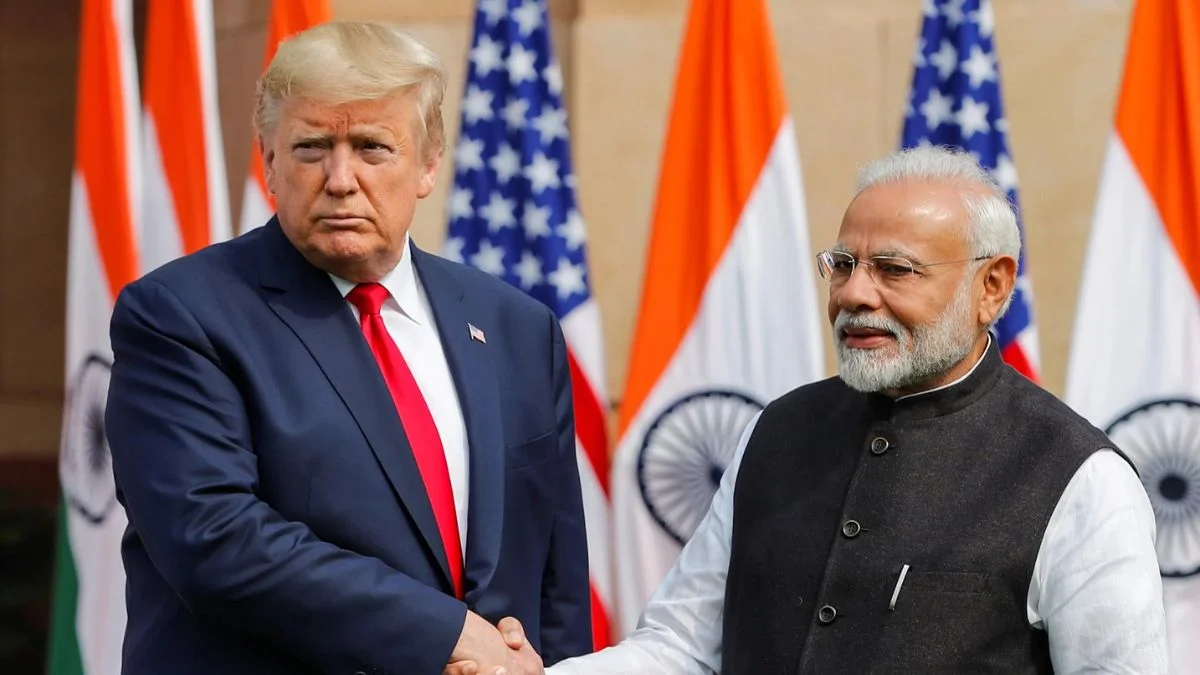

Something extraordinary is happening in the next 12 hours. The leaders of the world’s most consequential democracies are all speaking on the West Asia war on the same day, within hours of each other, in what amounts to a simultaneous global reckoning with a conflict that is now in its 34th day and showing no clear sign of resolution. Australia’s Prime Minister has already spoken. Britain’s Prime Minister addressed the nation this morning. India’s PM Modi is chairing the Cabinet Committee on Security at 7 PM IST tonight. And US President Donald Trump will address the American nation at 9 PM Washington DC time, translating to 6:30 AM IST on April 2.
Four leaders. Four capitals. One crisis. Here is the complete schedule, the India-converted timings, and what each address is expected to cover.
The Complete Global Leadership Schedule — April 1 to 2, 2026
Australia — PM Anthony Albanese Canberra time: 7 PM Wednesday April 1. India time: 2:30 PM IST Wednesday April 1. Already delivered.
United Kingdom — PM Keir Starmer London time: Morning Wednesday April 1. India time: Approximately 12:30 PM to 1:30 PM IST Wednesday April 1. Already delivered.
India — PM Narendra Modi chairs CCS India time: 7:00 PM IST Wednesday April 1. Tonight.
United States — President Donald Trump Washington DC time: 9 PM ET Wednesday April 1. India time: 6:30 AM IST Thursday April 2. Tomorrow morning.
What Each Leader Is Expected to Cover
Keir Starmer — The Domestic Protection Argument
Starmer addressed the nation this morning on a package of cost of living measures coming into effect on April 1, including minimum wage increases, energy bill reductions of £117 per year locked in until June, and the Crisis and Resilience Fund of £1 billion for vulnerable households. The Iran war formed the backdrop rather than the centrepiece of his address. Starmer has repeatedly stated that this is not our war and that the UK will not be drawn into direct military involvement, while calling for Strait of Hormuz reopening to protect global energy supplies. He chaired a COBR emergency committee meeting on Tuesday to assess the situation with cabinet colleagues. His address today was primarily a domestic reassurance exercise: here is what the government is doing to protect you from the energy price shock, while we push diplomatically for de-escalation.
Anthony Albanese — The Indo-Pacific Energy Security Angle
Australia’s position in the West Asia crisis is shaped by its dual identity as both a major energy exporter and a nation whose maritime trade routes are affected by Strait of Hormuz disruptions. Australia is a significant LNG exporter to Asia, meaning the Strait crisis has actually benefited some Australian energy producers even as it hurts Australian consumers through higher fuel costs. Albanese has been balancing support for the US alliance framework with domestic economic management and his government’s stated foreign policy of strategic autonomy. His address is expected to cover Australia’s energy security resilience, support for diplomatic resolution, and the nation’s contingency planning for extended conflict scenarios.
PM Modi — The CCS Meeting at 7 PM IST
PM Modi will chair the Cabinet Committee on Security at 7 PM IST tonight, India’s highest national security decision-making body comprising the PM, Defence Minister, External Affairs Minister, Home Affairs Minister, and Finance Minister. This is not a speech or address. It is a decision-making meeting at the apex of India’s security architecture.
The CCS will review multiple India-specific crisis dimensions simultaneously. The Strait of Hormuz situation and India’s special passage arrangement with Iran. The Russian oil waiver expiry on April 5, three days away, with no extension confirmed. The welfare and evacuation logistics for over 1 crore Indians in Gulf states. The NATO fracture announced through Trump’s Telegraph interview today and its implications for India’s strategic partnerships. The OMC loss trajectory on petrol, diesel, LPG, and ATF. And India’s diplomatic positioning ahead of Trump’s address in approximately 11 hours from the CCS meeting’s start.
The CCS does not typically issue public statements after its meetings. Its decisions manifest through subsequent policy announcements, diplomatic communications, and operational instructions to relevant ministries. Watch for government communications on the Russian oil waiver, any changes to India’s Gulf evacuation readiness posture, and any diplomatic messaging to Washington ahead of Trump’s address as signals of what the CCS decided tonight.
Donald Trump — The Address That Markets Are Watching Most Closely
Trump’s 9 PM ET address, arriving at 6:30 AM IST on Thursday April 2, is the most consequential of the four for global markets, energy prices, and the conflict’s trajectory. The White House has confirmed the address will provide an important update on Iran. Trump has already signalled that US forces could leave Iran in two to three weeks and described back-channel peace talks as going very well.
However the Iranian Parliament’s statement today that the Strait of Hormuz will not open and that Iran has held no negotiations and will not hold them directly contradicts the White House’s optimistic characterisation. Tonight’s address will reveal which version of reality is closer to the truth: Washington’s description of productive back-channel engagement, or Tehran’s parliamentary declaration of no talks and no opening.
Markets will be watching for four specific signals from Trump’s address. Whether he announces a formal ceasefire or withdrawal timeline. Whether he addresses the Strait of Hormuz reopening specifically and on what timeline. Whether he responds to the Iranian Parliament’s hardline statement or dismisses it as political theatre. And whether he says anything about NATO allies’ refusal to contribute naval forces, given his Telegraph interview comments about the alliance being a paper tiger.
Indian markets open at 9:15 AM IST on April 2, approximately two hours and 45 minutes after Trump begins speaking. The entire morning session will trade on the interpretation of whatever Trump says tonight.
Why All Four Leaders Are Speaking on the Same Day
The simultaneity of today’s global leadership addresses is not coincidental. It reflects the point the West Asia conflict has reached at 34 days. The economic consequences, energy price spikes, supply chain disruptions, currency pressures, and fiscal costs of protecting consumers, have accumulated to a level where every democratic government faces domestic political pressure to explain its position and demonstrate its competence in managing the crisis.
At the same time the diplomatic picture has reached a critical junction. Trump’s stated two to three week withdrawal timeline, the Iranian Parliament’s categorical rejection of negotiations, the Chinese and Pakistani five-point peace proposal, and the Saudi and UAE vulnerability demonstrated by this weekend’s strikes all point toward a conflict that is approaching some kind of inflection point, though whether that point is a ceasefire or an escalation remains genuinely uncertain.
When the world’s major democracies all speak on the same day about the same crisis, it is usually because the crisis has reached a stage where silence is no longer politically sustainable and where the next 48 to 72 hours are expected to produce developments that will define the conflict’s next chapter.
Set your alarm for 6:30 AM IST on April 2. That is when the most important of these four addresses begins.
Address times and expected content are based on official government announcements and publicly reported statements as of April 1, 2026. All IST conversions are approximate. This article is for informational purposes only and does not constitute financial, political, or investment advice.

Comments are closed.