
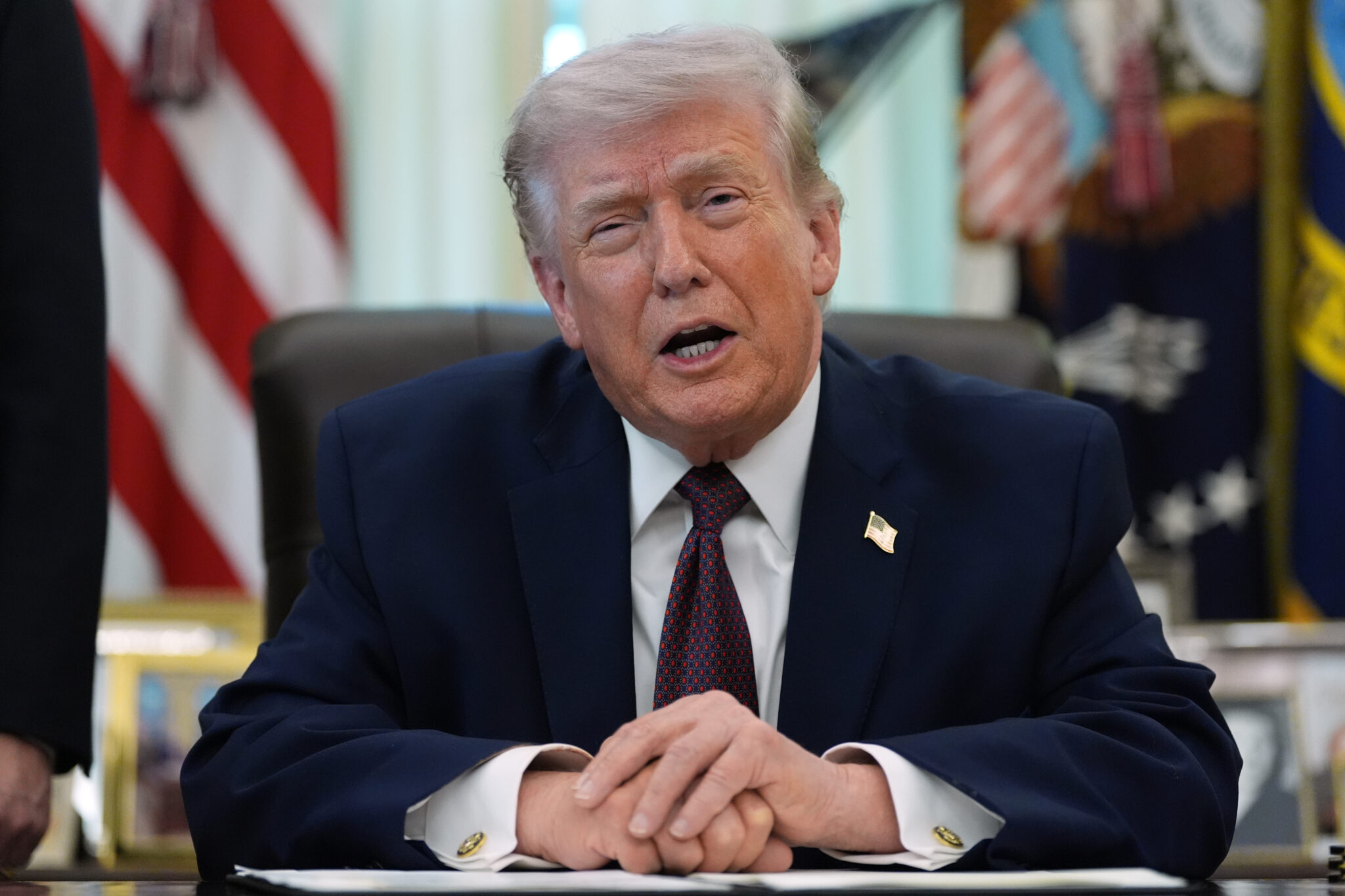

Trump Says Israel And Hezbollah Agree To Dial Back Fighting/ TezzBuzz/ WASHINGTON/ J. Mansour/ Morning Edition/ President Donald Trump says Israel and Hezbollah have agreed to scale back hostilities following mediation efforts and discussions with Israeli Prime Minister Benjamin Netanyahu. The announcement came after a weekend of intensified fighting that included Israeli strikes near Beirut and Hezbollah rocket attacks into northern Israel. The reported de-escalation could help preserve broader ceasefire negotiations involving Iran, Lebanon, Israel, and the United States.
Israel Hezbollah Ceasefire Quick Looks
- Trump says Israel and Hezbollah agreed to stop attacks.
- The announcement followed talks with Netanyahu.
- Hezbollah reportedly communicated through mediators.
- Israel had threatened strikes on Beirut’s southern suburbs.
- Thousands fled parts of Beirut amid escalation fears.
- Hezbollah launched rockets toward northern Israel.
- Lebanon and Israel are scheduled for talks in Washington.
- Iran insists any ceasefire must include Lebanon.
- Secretary of State Marco Rubio proposed a new diplomatic framework.
- The United Nations Security Council scheduled an emergency meeting.

Trump Announces Israel-Hezbollah De-Escalation
WASHINGTON— President Donald Trump announced Monday that Israel and Hezbollah have agreed to reduce hostilities following a new round of diplomatic contacts aimed at preventing a wider regional conflict.
The announcement came after Trump held discussions with Israeli Prime Minister Benjamin Netanyahu and communicated indirectly with Hezbollah through mediators.
According to Trump, both sides have agreed to halt attacks and avoid further escalation.
“Hezbollah had agreed that all shooting will stop — That Israel will not attack them, and they will not attack Israel,” Trump said.
Israeli Troops Reportedly Turned Back
Trump also indicated that military movements toward Beirut had been halted.
Following his conversation with Netanyahu, Trump stated:
“There will be no Troops going to Beirut, and any Troops that are on their way, have already been turned back.”
The comments marked a significant shift from earlier developments that had raised fears of a deeper Israeli advance into Lebanon.
Fighting Intensified Before Announcement
The reported agreement followed one of the most serious escalations since the April ceasefire.
Israeli forces reached their deepest positions inside Lebanon in more than two decades.
At the same time:
- Hezbollah launched rockets toward northern Israel.
- Israeli forces struck targets across southern Lebanon.
- Israel threatened attacks against Beirut’s southern suburbs.
- Civilians fled areas considered likely targets.
The deteriorating situation increased concerns that the conflict could spiral into a broader regional war.
Beirut Residents Fled Southern Suburbs
Tensions intensified after Israel warned residents of Beirut’s Dahiyeh district to evacuate.
The area is widely considered a stronghold of Hezbollah.
Large numbers of residents fled following the warning.
Roads leading out of southern Beirut reportedly became heavily congested as families sought safety elsewhere in the city.
The warnings raised fears that the Lebanese capital could once again become a central battlefield.
Israel Cites Hezbollah Violations
Israeli leaders argued that recent military actions were a response to repeated Hezbollah attacks.
A joint statement from Netanyahu and Defense Minister Israel Katz accused Hezbollah of violating ceasefire arrangements and attacking Israeli communities.
Israeli officials said the strikes were necessary to protect civilians and respond to ongoing security threats along the border.
Hezbollah Points To Israeli Strikes
Hezbollah has maintained that its renewed attacks came after Israeli military actions inside Lebanon.
The group had originally agreed to halt hostilities under the ceasefire reached in April.
However, Hezbollah leaders argued that Israeli operations constituted violations of that agreement and justified renewed military action.
The competing narratives have complicated efforts to preserve the ceasefire.
Lebanon Talks Scheduled In Washington
Despite the recent violence, diplomatic efforts continue.
Lebanese and Israeli officials are scheduled to participate in another round of talks in Washington beginning Tuesday.
The negotiations are particularly significant because they represent rare direct discussions between countries that do not maintain formal diplomatic relations.
Officials hope the talks can help stabilize the border and reduce the likelihood of future clashes.
Iran Links Lebanon To Broader Ceasefire
The situation in Lebanon has become increasingly tied to wider regional diplomacy.
Iranian Foreign Minister Abbas Araghchi stated Monday that any ceasefire agreement involving Tehran must apply across all fronts.
“Its violation on one front is a violation of the ceasefire on all fronts,” he said.
The statement reinforces Tehran’s position that Lebanon, Gaza, and broader regional issues cannot be separated from negotiations with Washington.
Iran warns of retaliation if Israel attacks Beirut
In a statemen, the headquarters accused Israeli Prime Minister Benjamin Netanyahu of threatening to bomb Beirut’s Dahieh district and the Lebanese capital and of issuing evacuation warnings to residents.
“In light of the regime’s repeated violations of the ceasefire, we warn residents of the northern areas and military settlements in the occupied territories that, should this threat be carried out, they should leave the area if they do not wish to be harmed,” the statement said.
Earlier Monday, Netanyahu said, “There will not be a situation in which Hezbollah attacks our cities and citizens while the terrorist headquarters in Dahieh remains out of bounds.”
“We are continuing to deepen our operational activity on the ground in southern Lebanon and are eliminating Hezbollah strongholds,” he added in a statement.
Iranian Foreign Minister Abbas Araghchi said in a post on X that “a ceasefire between Iran and the United States constitutes, without any ambiguity, a comprehensive ceasefire across all fronts, including Lebanon.”
“Any violation of this ceasefire on one front shall be considered a violation of it across all fronts. The United States and Israel bear responsibility for the consequences of any breach of the truce,” Araghchi added.
US officials, including President Donald Trump and Vice President JD Vance, have maintained that Lebanon was never included in the US–Iran ceasefire agreement.
Rubio Proposed New Framework
According to U.S. officials, Secretary of State Marco Rubio has been actively involved in efforts to preserve negotiations.
Rubio reportedly proposed a framework under which:
- Hezbollah would halt attacks on Israel.
- Israel would avoid expanding operations in Beirut.
- Diplomatic negotiations would continue.
- Broader ceasefire discussions could move forward.
The proposal was presented as the Trump administration evaluates options regarding regional ceasefire arrangements and negotiations with Iran.
Lebanese Leaders Continue Diplomatic Push
Lebanese President Joseph Aoun reaffirmed his government’s commitment to diplomacy despite growing military pressure.
Aoun described negotiations as the safer path forward and stressed that Lebanon remains committed to seeking a political solution.
His government has conducted extensive diplomatic outreach aimed at reducing tensions and preventing additional escalation.
Human Cost Continues To Grow
The conflict has inflicted a severe humanitarian toll.
According to figures cited in the report:
- More than 3,400 people have been killed in Lebanon.
- Over one million people have been displaced.
- Israeli military personnel and civilians have also been killed.
- Communities on both sides of the border remain under threat.
The continued human suffering has increased international pressure for a lasting ceasefire.
United Nations Steps In
The growing crisis prompted the United Nations Security Council to schedule an emergency meeting on Lebanon.
International officials continue monitoring developments closely amid fears that renewed fighting could destabilize the broader Middle East.
Diplomatic efforts now focus on converting the reported de-escalation into a more durable ceasefire arrangement.
UN “deeply alarmed” by Israeli strikes in Lebanon, warns of “humanitarian emergency”
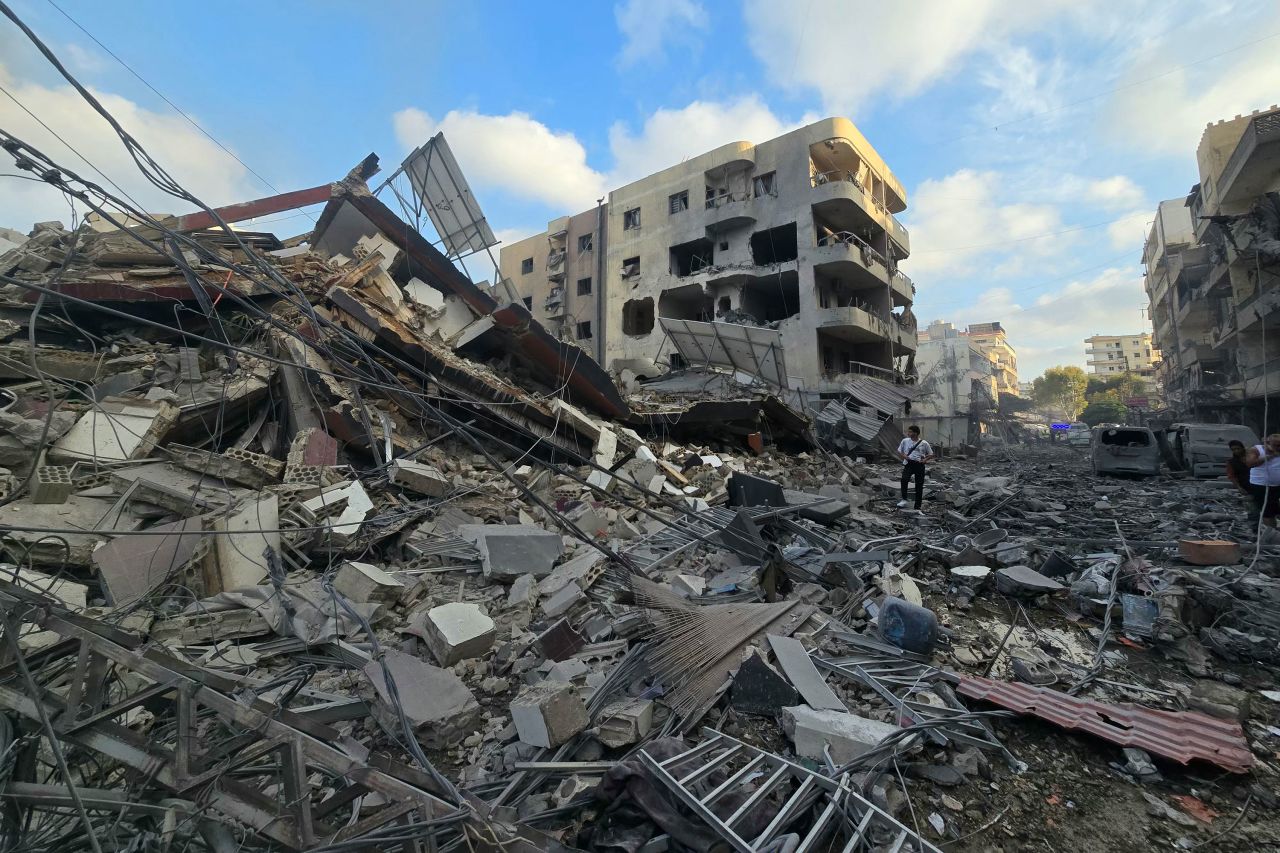
People gather at the site of an Israeli strike that hit near a hospital in Tyre, Lebanon, on June 1.
The United Nations said Monday it was “deeply alarmed” by Israel’s increased strikes in Lebanon, and the World Food Program warned of a “deepening humanitarian emergency” in the country.
“We are deeply alarmed by the escalation in military activities across southern Lebanon and beyond,” Stéphane Dujarric, spokesperson for UN Secretary-General António Guterres, said Monday. “We urge all actors to respect the cessation of hostilities and avoid further escalation.”
The UN’s World Food Program (WFP) said millions of people in Lebanon are facing a “critical combination” of mass displacement and soaring food prices.
“More than one million people remain displaced, while soaring prices, lost incomes and strained markets are pushing food further out of reach for vulnerable families,” the WFP said in a statement Monday. “WFP has rapidly scaled up its response nationwide, but the situation remains highly fragile.”
The WFP said it is helping an average of almost 150,000 people per day with hot meals, ready-to-eat rations and food parcels for families sheltering in displacement sites.
The humanitarian organization said its latest food security analysis shows some 1.24 million people — nearly one in four of the total Lebanese population — face acute food insecurity. “Displacement, rising food and fuel prices, market disruptions, and broader economic shocks are driving the crisis,” it warned.
Fragile Calm Faces Major Test
While Trump’s announcement offers hope for a reduction in violence, significant challenges remain.
Both Israel and Hezbollah continue accusing one another of violating previous ceasefire agreements.
Regional tensions involving Iran, Lebanon, and Israel remain unresolved.
Whether the latest understandings can evolve into a sustainable peace will likely depend on upcoming negotiations in Washington and the willingness of all parties to maintain restraint.
For now, the reported agreement to dial back fighting provides a potential opening for diplomacy after days of dangerous escalation.
More on US News
Comments are closed.