

Trump Sues BBC for $10 Billion Defamation/ TezzBuzz/ WASHINGTON/ J. Mansour/ Morning Edition/ Donald Trump is suing the BBC for $10 billion, alleging defamation and deceptive editing of his January 6 speech. The BBC previously apologized but denied defamation claims. Legal experts question the suit’s viability in U.S. courts.
Trump Defamation Lawsuit Against BBC: Quick Looks
- Trump filed a $10 billion lawsuit against the BBC on Dec. 16, 2025.
- Claims stem from edited content in a BBC documentary ahead of 2024 election.
- Allegations include defamation and unfair trade practices.
- BBC spliced separate parts of Trump’s Jan. 6, 2021 speech.
- Apology from BBC triggered resignations, but it denied defamation.
- Lawsuit was filed in Florida, citing BritBox and VPN access.
- Legal challenges expected due to documentary not airing in the U.S.

Deep Look
Trump Sues BBC for $10 Billion Over Edited Jan. 6 Speech
In a dramatic legal move with political overtones, President Donald Trump has launched a $10 billion lawsuit against the British Broadcasting Corporation (BBC), claiming the media outlet defamed him through a misleading edit of his speech on January 6, 2021. The suit was filed in a Florida court on Monday, December 16, 2025.
The 33-page complaint accuses the BBC of deliberately misrepresenting Trump’s speech in a documentary aired just days before the 2024 U.S. presidential election. Trump asserts that the edited footage—featured in the BBC’s documentary “Trump: A Second Chance?”—was not only defamatory but also a calculated effort to sway public opinion during a critical moment in American politics.
According to the lawsuit, the documentary featured a “false, defamatory, deceptive, disparaging, inflammatory, and malicious depiction” of the former president. It claims the BBC “spliced together two entirely separate parts” of Trump’s January 6 remarks, presenting them as a single, continuous statement. The resulting edit made it appear as though Trump had encouraged violent action, omitting parts of the speech where he called for peaceful protest.
Trump is seeking $5 billion in damages for defamation and an additional $5 billion for what his legal team terms “unfair trade practices.” The latter claim is based on the assertion that the BBC, as a publicly funded international broadcaster, used its global reach to damage Trump’s reputation and interfere with American political processes.
Although the BBC issued an apology last month over the documentary’s editing, it firmly denied defaming the former president. BBC chairman Samir Shah described the editing as “an error of judgment,” a stance that led to the resignation of the network’s top executive and its head of news. However, the broadcaster maintained that the mistake did not meet the threshold of defamation under British or U.S. law.
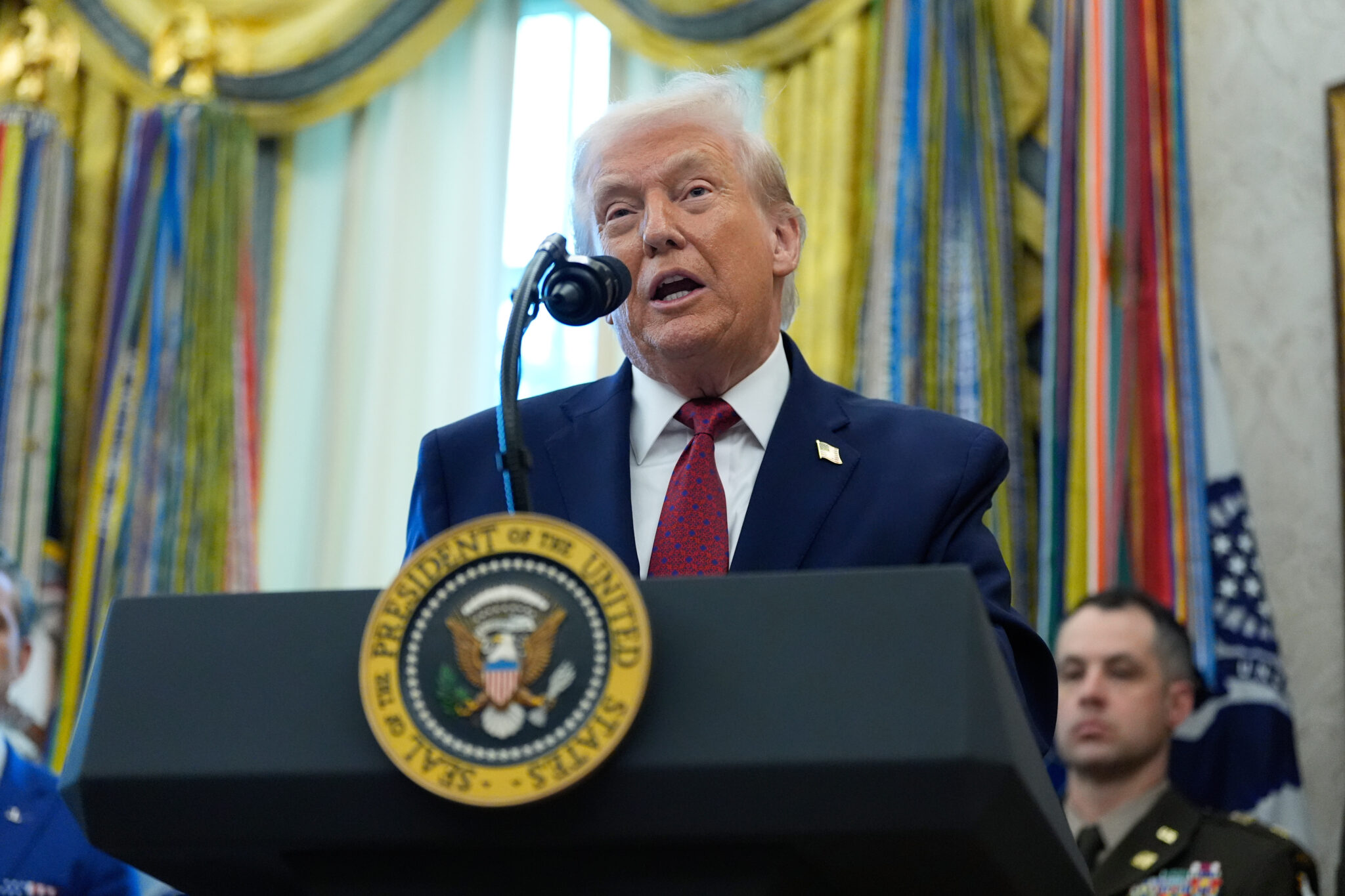
Trump addressed the lawsuit publicly on Monday, claiming the BBC “put terrible words in my mouth” and distorted his message.
“They’re beautiful words, talking about patriotism and all of the good things that I said,” Trump remarked during an Oval Office appearance. “They didn’t say that, but they put terrible words.”
The lawsuit faces legal challenges, especially as the BBC documentary did not air on U.S. television. However, the complaint argues that American viewers could access the content through BritBox, a subscription-based streaming service co-owned by the BBC, or by using virtual private networks (VPNs). This international access, Trump’s legal team argues, places the BBC within the jurisdiction of U.S. courts.
The controversy stems from Trump’s speech delivered prior to the Capitol riot on January 6, 2021. While the former president has consistently denied inciting violence, critics have pointed to his use of phrases like “fight like hell” as potentially inflammatory. The edited version shown in the documentary omitted segments in which Trump explicitly urged his supporters to remain peaceful.
The lawsuit underscores the ongoing tensions between Trump and global media institutions. It also highlights the unique position of the BBC, a 103-year-old public broadcaster funded by British taxpayers. The network operates under a royal charter that mandates impartiality, yet it remains a lightning rod for criticism from across the political spectrum.
Trump’s legal strategy may face significant procedural hurdles. Statutes of limitations in British courts have already expired, making the U.S. filing potentially his only remaining legal avenue. Still, some legal experts question whether a U.S. court will find sufficient jurisdiction over a British media outlet—especially for content not directly broadcast in the United States.
As the lawsuit moves forward, it is likely to reignite debates over media responsibility, political bias, and the role of foreign media in American elections. For Trump, who remains a central figure in American politics, the lawsuit adds another chapter to his complex and often combative relationship with the press.
More on US News

Comments are closed.