
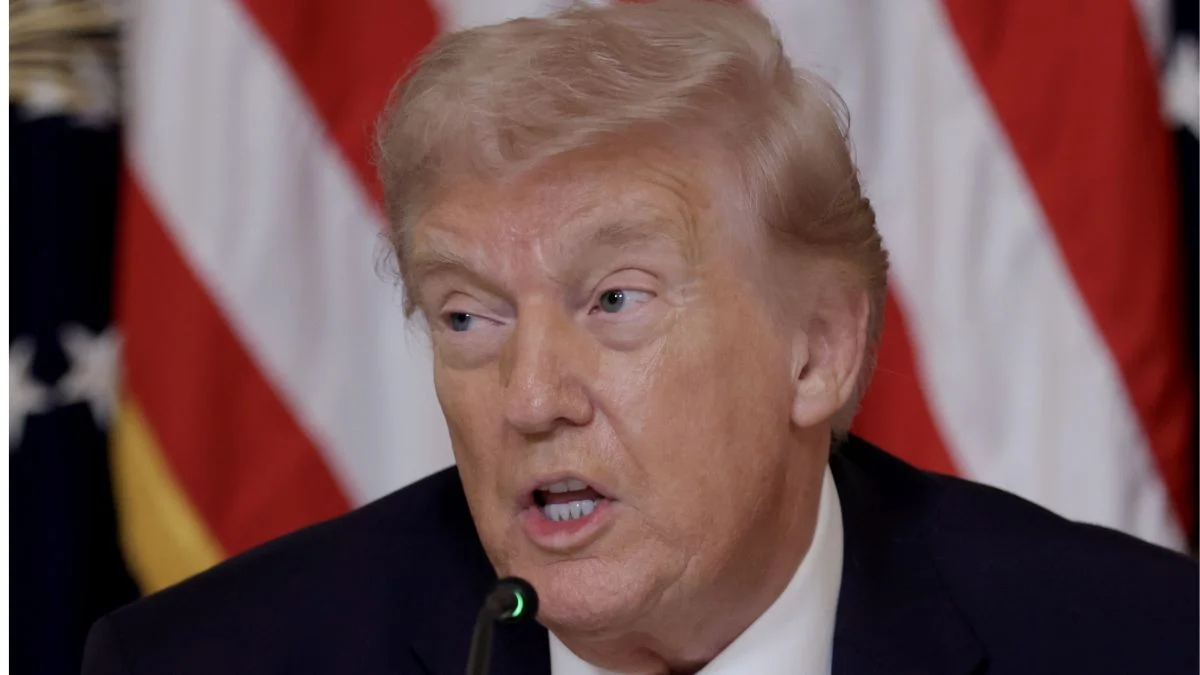

Public remarks by U.S. President Donald Trump and Defense Secretary Pete Hegseth in support of tech billionaire Larry Ellison and media executive David Ellison have drawn renewed attention to the legal and regulatory scrutiny surrounding a proposed $110 billion media merger involving Paramount Global and Warner Bros. Discovery.
The deal, which would consolidate some of the largest film studios, streaming platforms, and broadcast news networks under a single corporate structure, is currently under review by the U.S. Department of Justice (DOJ). The review is expected to focus heavily on antitrust implications, media ownership concentration, and competition policy within the entertainment and news sectors.
At the core of the DOJ’s review are potential violations of U.S. antitrust laws, particularly under the Sherman Antitrust Act and the Clayton Antitrust Act. These laws are designed to prevent monopolistic practices and ensure fair competition. The proposed merger would combine major assets, including Paramount Pictures, Warner Bros. Pictures, HBO Max, Paramount+, CBS News, and CNN raising concerns about excessive market concentration.
Policy analysts note that such vertical and horizontal integration could reduce competition in both content production and distribution, potentially limiting consumer choice and increasing barriers for smaller media firms. The deal could also trigger a second request for information from regulators, prolonging the review process.
Trump’s public endorsement of the Ellison family during an ongoing regulatory review has raised questions about political neutrality and the independence of federal oversight institutions. While no formal legal violation has been established, governance experts highlight that such statements may create perceptions of political influence over antitrust enforcement.
Similarly, remarks by Hegseth criticizing CNN part of the assets involved in the deal—add another layer of complexity, particularly in the context of media freedom and government criticism of press institutions. Legal scholars emphasize that while public officials have the right to express opinions, such commentary during active regulatory proceedings can attract ethical scrutiny.
The proposed merger also intersects with longstanding U.S. media ownership regulations and Federal Communications Commission (FCC) policies, which aim to maintain diversity of viewpoints and prevent excessive consolidation. Although the FCC’s direct authority may be limited depending on the transaction structure, the broader policy debate over media plurality is expected to play a role.
Experts warn that combining two major news networks CBS News and CNN under one corporate umbrella could have implications for editorial independence and diversity in news coverage. This concern aligns with broader global debates on media consolidation and its impact on democratic discourse.
From a policy standpoint, the merger reflects ongoing shifts in the global media economy, where traditional studios and broadcasters are consolidating to compete with digital streaming giants. The withdrawal of a competing bid from Netflix earlier in the process underscores the high-stakes nature of the transaction.
Larry Ellison’s financial backing of the deal and his broader involvement in media and technology investments further complicate the regulatory landscape, particularly as governments worldwide examine the growing influence of tech billionaires in media ecosystems.
The DOJ’s final decision will likely hinge on whether the merger substantially lessens competition or creates a dominant market player in violation of federal law. Remedies could include divestitures, behavioral conditions, or a potential legal challenge to block the deal altogether.
As the review continues, the intersection of law, policy, and political signaling in this case is expected to remain under close scrutiny, with significant implications for the future structure of the U.S. media industry.

Comments are closed.