
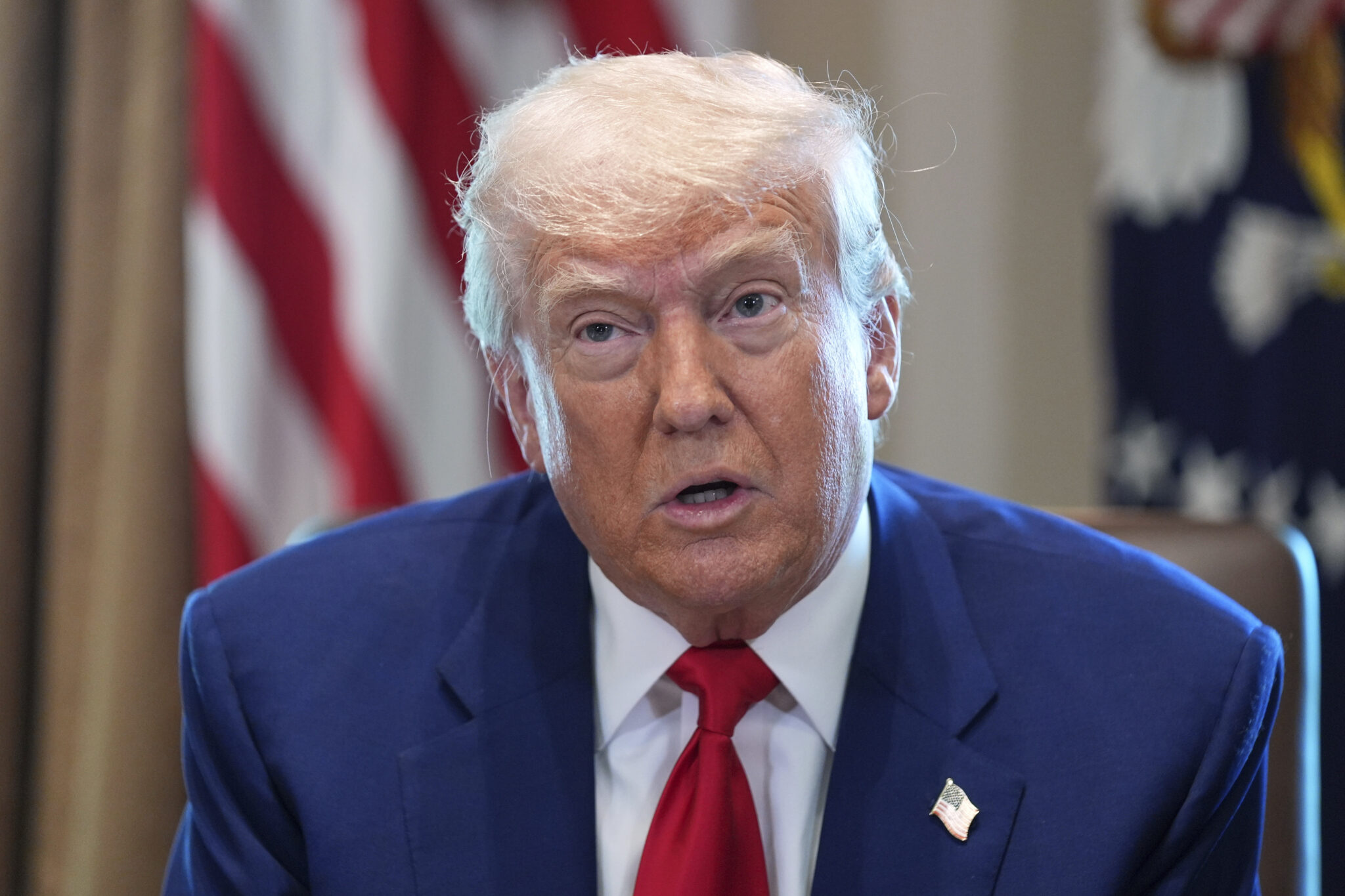

Trump Team Bets 2026 Midterms Strategy Will Be ‘Democrats Would Be Worse’/ TezzBuzz/ WASHINGTON/ J. Mansour/ Morning Edition/ President Donald Trump’s advisers are crafting a 2026 midterm strategy focused on convincing voters that Democratic control of Congress would be worse than current frustrations with his presidency. Top aides including Susie Wiles and James Blair are pushing a message centered on inflation, crime, border security, and avoiding congressional gridlock. The plan comes as Republicans face weak approval ratings, rising gas prices, and political fallout from the Iran war ahead of critical House and Senate races.
Quick Looks
- Trump advisers want 2026 midterms framed as a choice, not a referendum
- GOP strategy focuses on inflation, crime, taxes, and border security
- Susie Wiles and James Blair outlined plans privately
- Republicans worry about losing their narrow House majority
- Virginia redistricting could give Democrats four more House seats
- Rising gas prices and the Iran war are hurting GOP momentum
- Trump’s outside political machine has nearly $350 million through MAGA Inc.
- Advisers say Democrats would create “gridlock” and block Trump’s agenda

Trump Team Reframes the Midterms as a Choice, Not a Referendum
President Donald Trump’s political team is quietly preparing for the 2026 midterm elections with a new strategy: stop voters from turning the election into a direct judgment on Trump’s presidency.
Instead, advisers want voters focused on a simpler argument—Democrats would be worse.
According to people involved in private planning discussions, Trump’s top aides believe the best path to holding congressional majorities is framing November as a choice between Republican governance and a return to Democratic control.
That means emphasizing inflation, crime, taxes, immigration, and fears of legislative paralysis if Democrats win back power.
One adviser described the core message this way:
“Do you want to go forward and continue the work that is being successful and finish the job? Or go backwards to record inflation and high crime?”
Internal Polling Shows GOP Still Holds Key Advantages
Even as Trump’s personal approval ratings have weakened, Republican strategists believe the party still holds a trust advantage on several major issues.
Internal polling reportedly shows voters still trust Republicans more than Democrats on areas like border security, crime, taxes, and economic management.
That advantage is driving the White House strategy.
Rather than defending every aspect of Trump’s presidency, advisers want to elevate popular GOP policy wins and attack Democrats as having no clear agenda of their own.
They believe many Americans may be frustrated with current conditions, but can still be persuaded that a Democratic Congress would make those problems worse.
That distinction could be critical in tight House and Senate races.
Susie Wiles and James Blair Led the Private Strategy Session
The midterm plan was outlined earlier this week during a private gathering at Washington’s Waldorf Astoria Washington DC.
White House Chief of Staff Susie Wiles and senior adviser James Blair were among those presenting the strategy to close allies and major Republican operatives.
Blair is preparing to temporarily leave the White House to lead Trump’s powerful outside political operation.
Attendees reportedly included longtime Trump adviser Jason Miller, GOP strategist Chris LaCivita, and campaign pollster Tony Fabrizio.
The secrecy around the meeting was unusually strict.
Guests were reportedly required to sign nondisclosure agreements before attending.
Blair later defended the policy by saying, “We’re running an operation, not a social club.”
Virginia Redistricting Created New Republican Anxiety
The political challenge became even harder Tuesday night after Virginia voters approved a redistricting referendum.
That move could give Democrats as many as four additional congressional seats in November.
Republicans currently hold a razor-thin House majority, with 217 seats to Democrats’ 213, while one independent caucuses with the GOP.
Even a small shift could flip control of the chamber.
Blair downplayed the result, calling it “very close” and predicting voters could ultimately punish Democrats for the move.
“These are no slam-dunk districts for them,” he said.
Still, the result added urgency to the White House’s midterm planning.
Every seat matters.
GOP Fears Losing the House Could Freeze Trump’s Presidency
Trump and his allies have repeatedly warned that losing the House would effectively halt the administration’s agenda.
A Democratic House majority would likely trigger aggressive oversight, major investigations, and potentially new impeachment efforts.
That threat is central to Republican fundraising and organizing.
Advisers are telling supporters that congressional control is not just about legislation—it is about protecting Trump’s presidency itself.
One strategist described the message bluntly:
“If Democrats win control of part or all of Congress, it means gridlock, it means nothing gets done at all.”
The White House believes many independent voters may respond strongly to that warning.
Avoiding paralysis is becoming a central campaign theme.
Iran War and Gas Prices Have Hurt Republican Momentum
One of the biggest political problems for Republicans has been Trump’s decision to strike Iran, launching a war that has now stretched for two months.
The conflict has weakened Trump politically and created fresh affordability concerns as gas prices climbed above $4 per gallon nationally.
Higher fuel prices have rippled across the economy, increasing pressure on household budgets and adding to voter frustration over cost of living.
That has complicated the original midterm plan, which included putting Trump on the road almost every week to rally low-turnout supporters and promote policy wins.
Instead, the White House had to manage war headlines and rising economic anxiety.
Advisers insist domestic issues will still decide the midterms, but privately they recognize the war has created serious political headwinds.
Trump’s Outside Political Machine Is Preparing for Massive Spending
As part of the new strategy, Blair is moving to lead Trump’s outside political operation, helping coordinate the party’s spending and campaign support.
That operation is backed by MAGA Inc.Trump’s main super PAC, which has already raised nearly $350 million.
Republican operatives are closely watching how that money will be deployed.
Questions remain about how much will go toward House races, Senate contests, and when the biggest spending waves will begin.
Former senior campaign official Alex Meyer is also expected to leave the administration to support the outside effort.
The staffing changes show how seriously Trump’s team is preparing for November.
The campaign operation is now moving into full midterm mode.
Democrats Still Present a Messaging Challenge
Despite their strategy, Trump advisers admit Democrats remain difficult to target as a single political brand.
Unlike previous cycles, Democrats do not have one clear national leader who can easily serve as the face of the party.
That makes it harder for Republicans to tie local Democratic candidates to unpopular national positions.
Strategists say one challenge will be linking individual Democrats to broader party weaknesses on immigration, taxes, crime, and spending.
They also plan to attack Democratic opposition to the GOP tax package passed in last year’s “big, beautiful bill.”
The goal is to make every race feel national.
That task will shape much of the next six months.
Republicans Believe the Midterms Will Be About Trust
Ultimately, Blair summarized the party’s strategy in one question:
“Who do you trust more to deal with these issues that they care about, Republicans in Congress or Democrats in Congress?”
That question may define the entire 2026 midterm cycle.
Trump’s team knows voters are frustrated.
But they believe fear of Democratic control may be stronger than dissatisfaction with the current White House.
If that calculation is right, Republicans could hold power.
If it fails, Trump’s second term could face immediate political paralysis.
More on US News
Comments are closed.