

Trump Warns Iran: Bombing Could Resume if Deal Fails/ TezzBuzz/ WASHINGTON/ J. Mansour/ Morning Edition/ President Donald Trump said the U.S. could resume military strikes if Iran fails to comply with a proposed agreement. A draft deal outlines sanctions relief, reopening the Strait of Hormuz, and Iran’s pledge not to build nuclear weapons. The agreement faces scrutiny at home and abroad ahead of a planned signing ceremony.
- Trump said bombing could resume if Iran violates the agreement.
- The draft includes a commitment that Iran will never develop nuclear weapons.
- Iran would be allowed to export oil under the proposed terms.
- The agreement could unlock access to a potential $300 billion development fund.
- The Strait of Hormuz would reopen to international shipping.
- Trump pledged to publicly release the deal’s text.
- Israel has reportedly received a copy of the agreement.
- The accord also seeks to end fighting in Lebanon.
- Congress is demanding greater transparency on the deal.
- A formal signing ceremony is planned in Switzerland.

Trump Signals Military Action Could Resume if Iran Breaks Deal
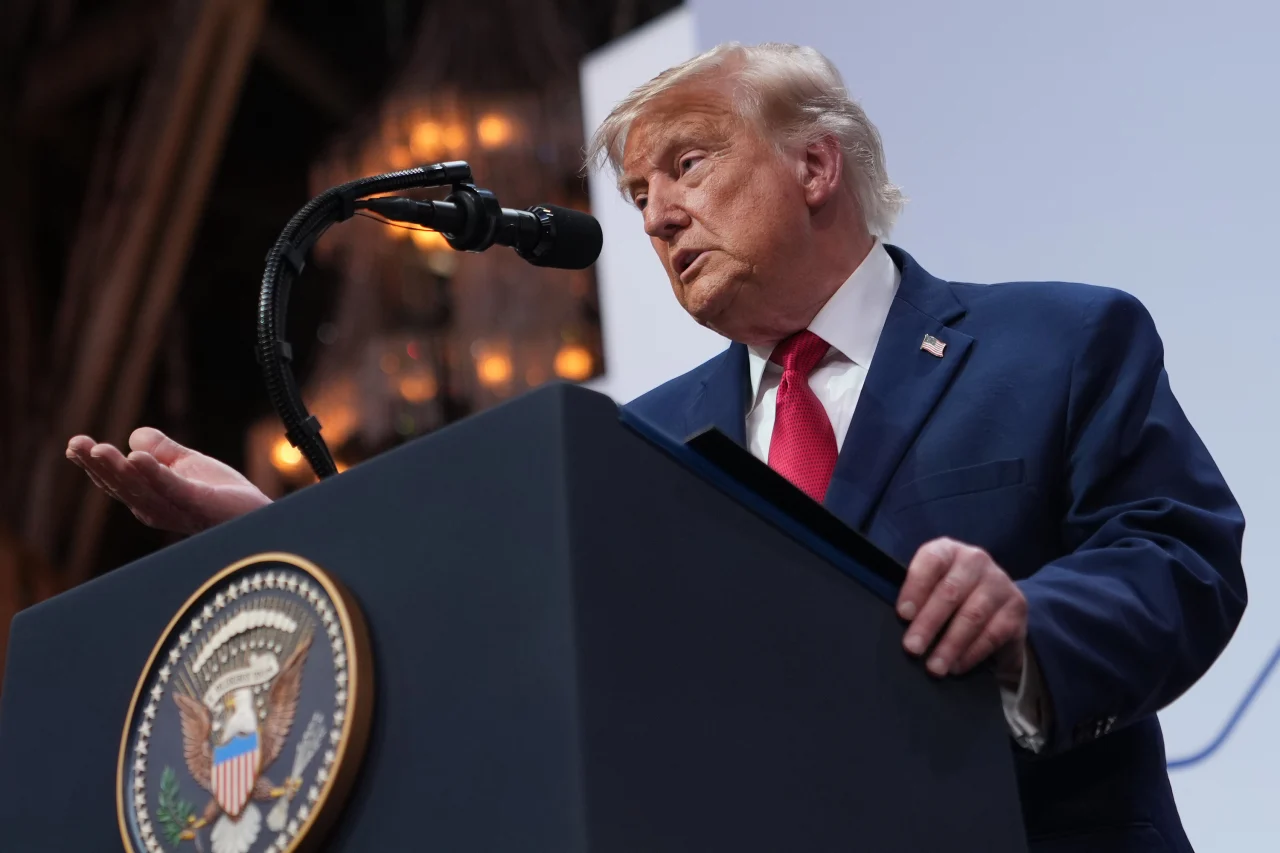
President Donald Trump warned Wednesday that the United States could resume military strikes against Iran if Tehran fails to comply with a tentative agreement aimed at ending months of conflict and stabilizing the Middle East.
Speaking during a news conference at the Group of Seven summit in France, Trump emphasized that while diplomacy had created an opportunity to end hostilities, military options remain on the table.
“If I don’t like it, if they don’t behave, we’ll go right back to dropping bombs,” Trump said while discussing the proposed agreement.
His remarks underscore the conditional nature of the emerging accord, which has yet to be formally signed or publicly released in its entirety.
Trump argued that without a deal, military operations could have continued for an extended period.
“We could have dropped more bombs for another three weeks, four weeks, or even two years,” he said.
Draft Agreement Details Emerge
A draft of the 14-point memorandum obtained by media outlets outlines several major provisions intended to end the conflict and establish a framework for future negotiations.
Among the key elements:
- Iran reiterates that it will “never produce nuclear weapons.”
- The United States would allow Iranian oil exports to resume.
- Sanctions relief would be phased in under a future agreement.
- Maritime traffic through the Strait of Hormuz would be restored.
- Additional negotiations on nuclear issues would occur within 60 days.
The document reportedly serves as an interim political agreement rather than a final treaty, with technical details still under negotiation.
A formal signing ceremony is expected in Switzerland later this week.
Economic Concerns Influenced Negotiations
Trump repeatedly defended the agreement as necessary to avoid severe economic fallout.
He argued that extending the conflict risked destabilizing global markets and worsening inflation.
According to Trump, prolonged fighting could have triggered broader economic consequences.
“I didn’t want to ruin the world market,” he said, adding that continued conflict could have risked an international downturn.
The reopening of the Strait of Hormuz is a central component of the agreement. The waterway handles a significant portion of global oil shipments, and disruptions there contributed to higher energy prices during the conflict.
Oil markets have reacted positively to signs of de-escalation, though prices remain elevated compared to prewar levels.
Iran’s Financial Relief Remains Controversial
One of the agreement’s most debated provisions involves financial relief for Iran.
Trump distinguished between direct American funding and the release of frozen Iranian assets.
“It’s not our money,” Trump said. “We froze it at a certain point in time. I guess we’re going to have to give it back.”
Under the draft text, Iran could gain access to previously restricted assets and potentially benefit from a development initiative valued at up to $300 billion if it meets future commitments.
Trump insisted the United States would not directly finance reconstruction efforts.
Instead, Gulf states and private investors could potentially contribute, provided Iran complies with the agreement’s terms.
Questions Remain About Enforcement
Despite optimism from some world leaders, major questions remain about how the agreement would be enforced.
Critics in Congress have demanded greater transparency regarding:
- Verification of Iran’s nuclear commitments
- Enforcement mechanisms
- The future of Iran’s ballistic missile program
- Restrictions on Iranian-backed proxy groups
Trump suggested that regional partners would address non-nuclear concerns, including ballistic missiles and militant organizations.
He argued that conventional missiles do not pose the same threat as nuclear weapons, while emphasizing that broader security discussions remain ongoing.
Lebanon and Israel Add Complexity
The agreement also seeks to halt fighting in Lebanon, where clashes involving Israel and Hezbollah have fueled regional tensions.
Trump publicly urged Israeli Prime Minister Benjamin Netanyahu to exercise restraint, criticizing some Israeli military actions in Lebanon.
“You don’t have to knock down a building every time,” Trump said, while describing Netanyahu as a strong ally who could adopt a “softer touch.”
The comments highlighted emerging tensions between Washington and Jerusalem over the conflict’s next phase.
The Road Ahead
The proposed agreement represents one of the most significant diplomatic efforts involving Iran in years.
Supporters argue it could reduce the risk of broader regional warrestore oil flows, and create a framework for addressing Iran’s nuclear ambitions.
Skeptics, however, question whether the deal provides sufficient safeguards and whether all parties will honor their commitments.
As negotiators move toward a planned signing ceremony, the agreement’s ultimate success may depend less on its text and more on whether longtime adversaries can sustain fragile trust.
More on US News
Comments are closed.